


Analysis
Justice’s Long Ascent
The Order of suspension of sentence for two convicts in the Bilkis Bano’s matter acts against its own institutional memory

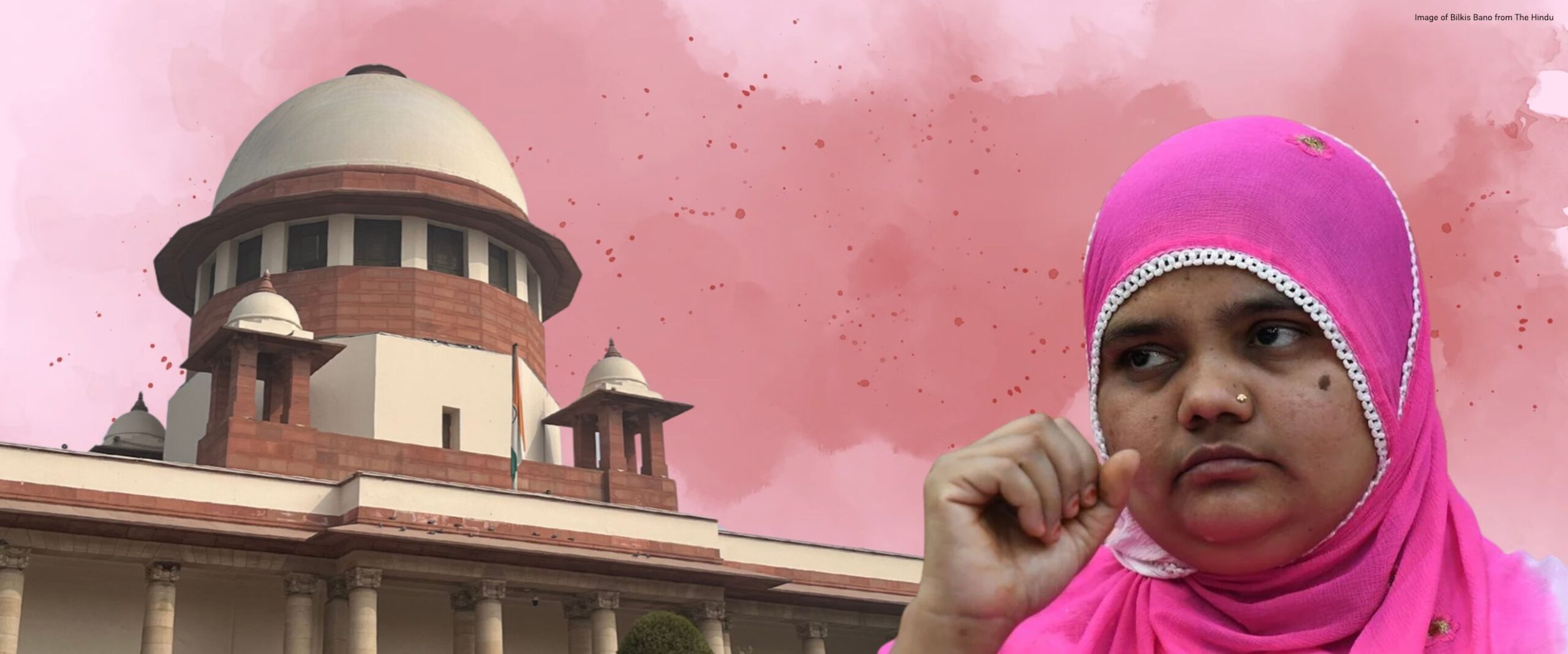
On 28 October, the Division Bench of Justice M.M. Sundresh and P.B. Varale suspended the sentences of two convicts—Bipinchandra Kanaiyalal Joshi and Pradip Ramanlal Modhiya—who were convicted in the Bilkis Bano gangrape case and the murder of her family members, including her three-and-half year old daughter, during the 2002 Gujarat riots.
The Order drew immediate criticism. In protest, Bano released a statement through her lawyer, Senior Advocate Shobha Gupta, with a resolution: “I will fight this Order.” Her statement comes in the backdrop of a litigation that has drawn out through decades. This brings us to a larger question: how far must a person travel to meet the ends of justice?
Bano’s ascent to justice has crossed many dead ends: a compromised registration and investigation of her original FIR and the subsequent closure of the case by the Magistrate. On occasions, the Supreme Court has come to her aid and sometimes, not. In December 2003, the Supreme Court directed that her investigation be conducted by the CBI. Subsequently, in 2008, the CBI Special Court in Mumbai sentenced 11 accused to life imprisonment.
The conviction was affirmed by the Bombay High Court in 2017. This could have been the end of the litigation; only that it was not. Five years later, in May 2022, at the behest of a petition filed by one of the convicts, the Supreme Court directed the Gujarat Government to consider the convict’s pre–mature release.
The Gujarat government was swift. All 11 convicts were granted remission in August 2022 under Section 435 of Code of Criminal Procedure (CrPC). Consequently, Bano was back before the Supreme Court. The early release was set aside in January 2024 and all convicts were asked to surrender. It added that the Court was misled in 2022 when it ordered the Gujarat government to consider the remission.
The 28 October Order seems to repeat history, except the release now is on the basis of a judicial order, reopening another round of litigation to a chapter that should have ended in January 2024. The three-page order is thin in its reasoning. The Order simply records that the suspension of sentence grant of bail is justified considering long incarceration period and disability of Joshi. Further, it casts doubt on the conviction on the ground that one of the convicts was not named in the original FIR.
The original FIR being the ground for release is flawed. Both the CBI Special Court and the Bombay High Court observed the original FIR had glaring omissions. The Bombay High Court event stated that the police had objected to the disclosure of names despite Bano identifying all convicts at the time of the incident. The courts primarily relied on survivor’s testimony to affirm the conviction.
Bano’s statement notes that she was not made party to the proceedings, with no opportunity to challenge their bail. She had previously contested the claims of disability of Joshi, which, to neither Court’s satisfaction, have been thus proved. Importantly, the Supreme Court itself in January 2024 had rejected Joshi’s request to surrender later due to his disability.
The Order is also silent on the submissions of the State, and only states that the Additional Solicitor General “vehemently” opposed the contentions of the appellants. In Rajesh Upadhyay v State of Bihar (2025) the Court reiterated that suspension of life sentences must be granted in exceptional circumstances considering the gravity of the offence. Further, the Order’s invocation to the original FIR unsettled questions settled by the Special Court and the High Court, which Preet Pal Singh v State of U.P. (2020) prohibits.
Speaking to the Supreme Court Observer, Senior Advocate Shobha Gupta said, “Section 389 CrPC is clear; one can come back and ask for cancellation of suspension of sentence pending appeal. We are going to ask for either cancellation or recall of the Order. It might be both.” Gupta further commented on the public trust aspect that the Order comes with. “These developments erode the possibility of faith in the justice system,” she said.
Indeed, the Order tests the Court’s institutional memory just as much as the logic of justice. Finality, therefore, becomes crucial. No one who asks for justice must decade after decade appear before the Court. As Bano herself puts, no citizen should have to “fight for justice for the rest of her life.”
This article was first featured in SCO’s Weekly newsletter. Sign up now!
Related articles


Analysis
Remission for convicts only if they respect the rule of law
The Supreme Court called out the convicts' abuse of process in the Bilkis Bano case

Analysis
Remission policy: A tug-of-war between the judiciary and the executive
The proceedings in the Bilkis Bano convict remission case have opened up some vital questions about subjectivity and standards
Analysis
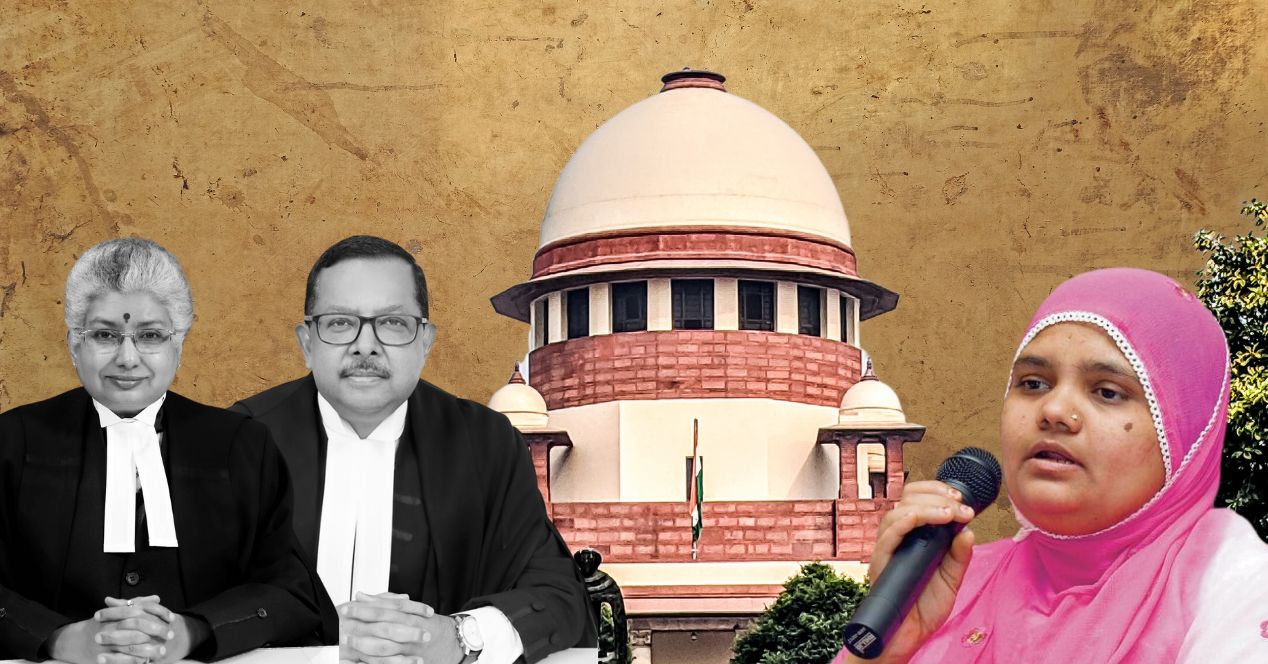
A Classroom Discussion on Criminal Reform Comes Alive in the SC
DESK BRIEF: The Bilkis Bano Convict Remission case has exposed the gap between theory and practice in criminal justice administration
Analysis
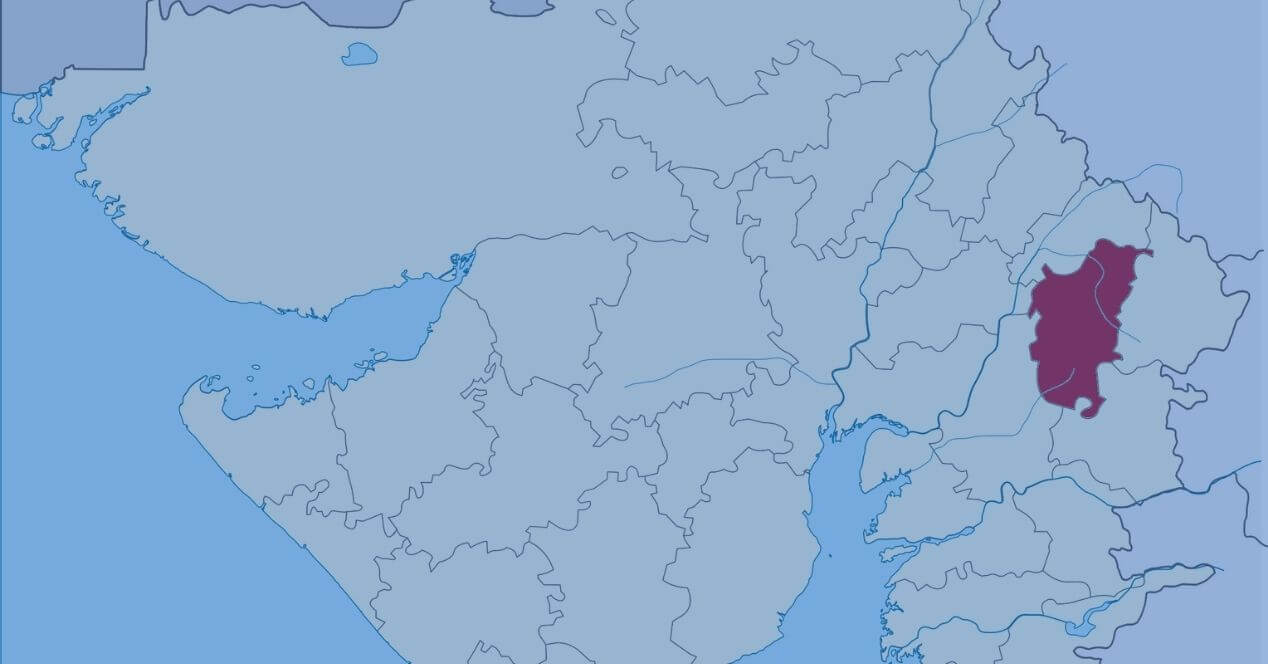
Gujarat Riots SIT: 4 Must Reads
A curated set of ‘must reads’ surrounding the events of the Gujarat riots, the investigations that followed and their fallout.