


Analysis
Memories from the Collegium
Justice S.K. Kaul’s memoir offers a glimpse into the Collegium, but our data reveals that there is more to the story

|
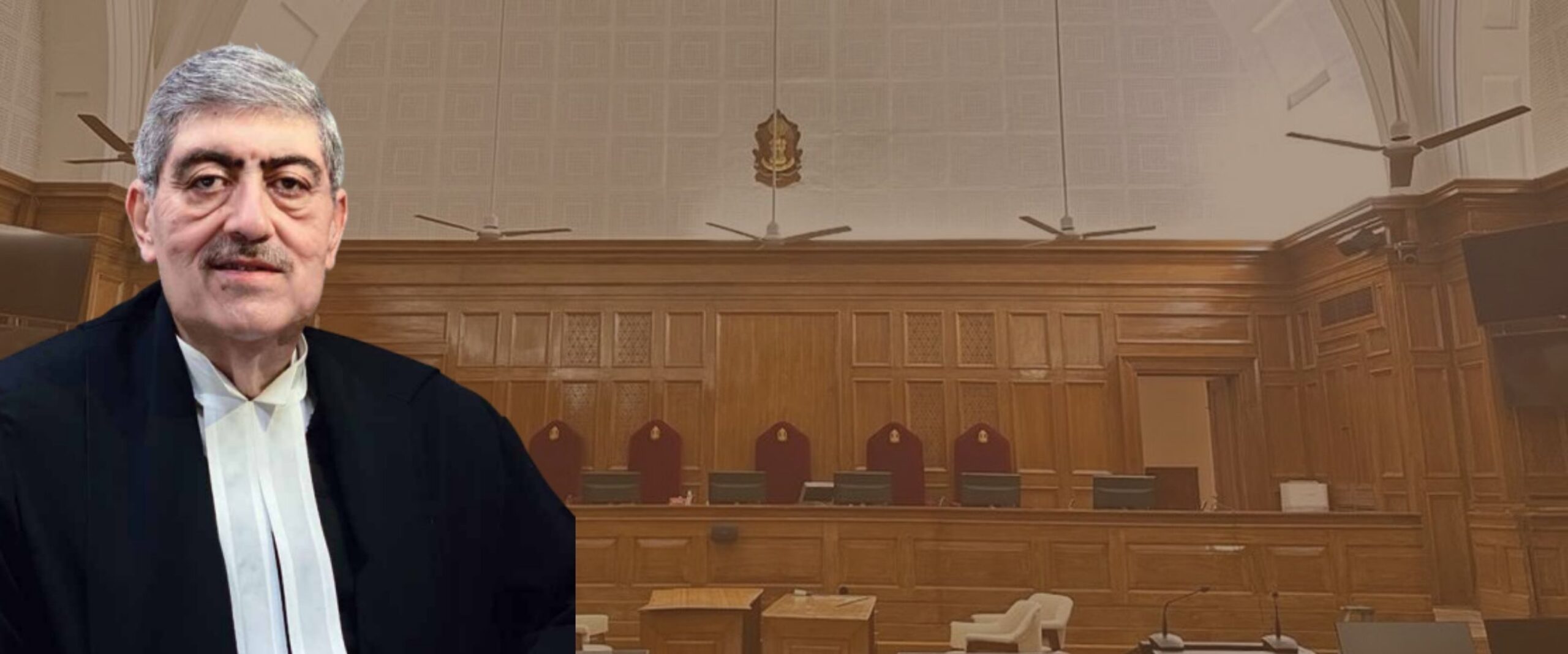
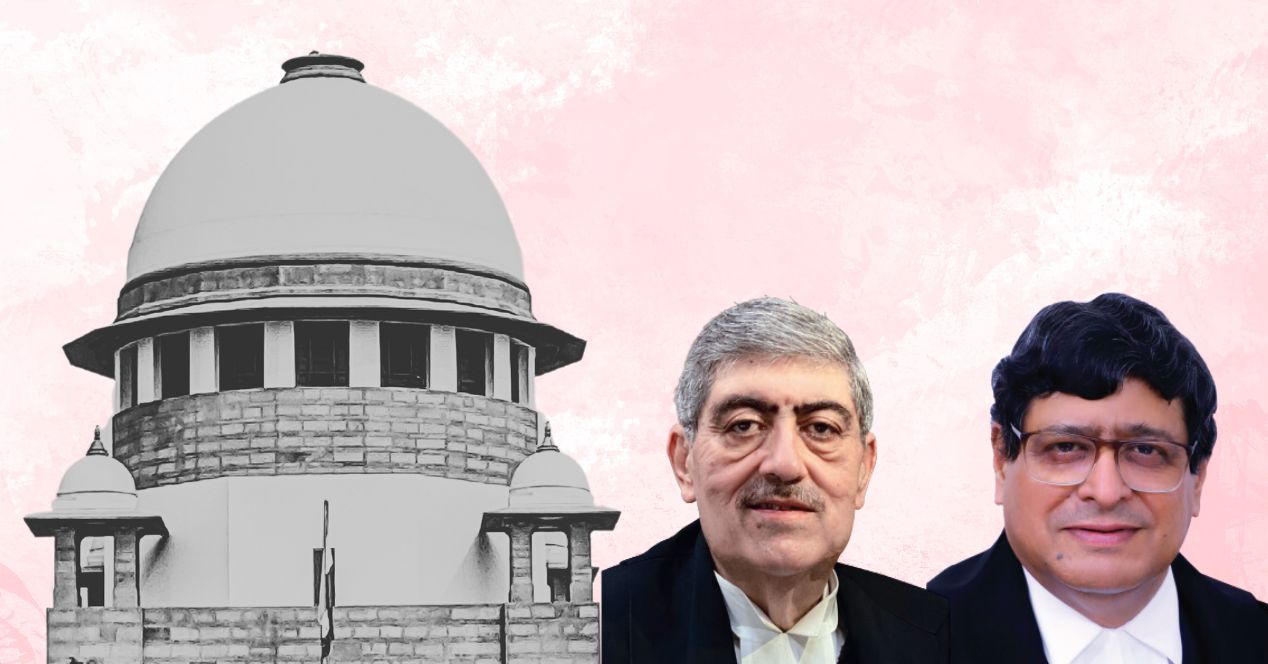
“What’s the point of the Collegium if it’s going to tailor its recommendations to the government’s tastes and preferences?” asks Karan Thapar in his signature early 2000s flair. Justice S.K. Kaul responds with measured pragmatism, pointing to the futility of recommending names that the government is likely to reject. Their conversation has been widely discussed this week, alongside Justice Kaul’s account of his disagreements with Chief Justice D.Y. Chandrachud’s tenure in his recent memoir ‘Without Fear or Favour’. Co-authored with Jay Vinayak Ojha, the memoir offers insight to the otherwise notoriously opaque Supreme Court Collegium and a critique of the CJI’s role as master of the roster. In particular, it recounts a December 2022 disagreement over the recommendation of six names for appointment to the Supreme Court. While the Collegium unanimously agreed to recommend five, the sixth had only CJI Chandrachud’s support, and Justice Kaul suspected it had been proposed at the government’s instance. The names were left unconfirmed as CJI Chandrachud explained to Justice Kaul that the government wanted two more names. Justice Kaul insisted that the first five have precedence in seniority over the two additions, before agreeing to that arrangement. On 31 January 2023, Justices Rajesh Bindal and Aravind Kumar were recommended for elevation. As the resolution notes, the Collegium was unanimous on Justice Bindal, but Justice K.M. Joseph expressed reservations about Justice Kumar. A second incident in the memoir pertains to a 2021 plea filed by the Advocates Association Bengaluru, which sought contempt proceedings against the Union for sitting on names recommended by the Collegium. On 20 November 2023, a Bench of Justices Kaul and Sudhanshu Dhulia gave the Union time until 5 December to provide a satisfactory explanation for the delay. The case was removed from his Bench overnight. In July 2025, former CJI B.R. Gavai said that the matter was being resolved on the administrative side. In January 2023, the Collegium reiterated the names of five practitioners: R. John Sathyan, Amitesh Banerjee, Sakya Sen, Somasekhar Sundaresan and Saurabh Kirpal. While Justice Kaul’s memoir mentions only Kirpal’s reiteration, it omits the Collegium’s decision to publish its reasons for recommending all five, explaining why the Union’s objections lacked merit. This public disagreement with the Union was unprecedented and took place early in CJI Chandrachud’s tenure. The Supreme Court Observer’s November 2024 analysis found that the Union had not cleared 27 names recommended by the CJI Chandrachud-led Collegium for High Court appointments. As of October 2026, 22 have since been notified: 21 in 2025 and one in 2026. Of the remaining five, there has been no communication on the names of Advocates Nagendra Ramachandra Naik, Ramaswamy Neelakandan and Sreeja Vijayalakshmi. The other two advocates—Shwetasree Majumder and Rajesh Sudhakar Datar—withdrew their consent after a year. Reportedly, Neelakandan returned his briefs and papers to his clients after his recommendation, only for the matter to remain in limbo. Such delays can affect inter-se seniority, prospects of elevation to the Supreme Court and eligibility for appointment as a High Court Chief Justice. During CJI Sanjiv Khanna’s tenure, the Union did not clear 24 percent of recommended names. Notably, we did not see such a gap during the tenure of CJI B.R. Gavai where 96 percent of names were approved by the Union. At the time, we noted that the “protracted turf war between the executive and the judiciary… appears to have been somewhat blunted.” We also considered that the Collegium may be recommending names the government was likely to accept, a practice Justice Kaul refers to as “pre-approval”. While Justice Kaul recounts his experience in the Collegium led by three CJIs, subsequent data reveals that the issue is systemic. He acknowledges that government involvement is “inevitable”. The Collegium’s opacity leaves the extent of the Union’s involvement open to speculation. The four resolutions publicly challenging the Union’s objections offered a rare glimpse into the consultative process—only to be never repeated again. In the end, the fallout of such a ‘collaborative’ turf-war is on the candidate awaiting the next chapter of their career.
|
Related articles

Court Data
24 percent of names proposed by Khanna Collegium for HC elevation not cleared by Union
Only six out of 51 recommendations for High Court elevation were women; no woman was proposed for Supreme Court elevation
Court Data
15 percent of names proposed by Chandrachud Collegium for HC elevation weren’t cleared by Union
The Collegium itself fared poorly on gender diversity, with no recommendations for women in the top court and only 27 out of 168 in HCs
Analysis
In Four Resolutions, SC Collegium Strikes Back at Union Government
The SC Collegium reiterated five names, highlighted delays caused by the Union, and gave insight into Union’s Considerations in appointments
Analysis
Judicial Appointments in Limbo: Supreme Court Expresses Concerns Over Delayed Collegium Recommendations
Prolonged appointments pending since July 2023 breached the timeline set by the Supreme Court for appointing judges