




Analysis
Cutting the wire
How Internet Service Provider liability in piracy prevention has become a global concern

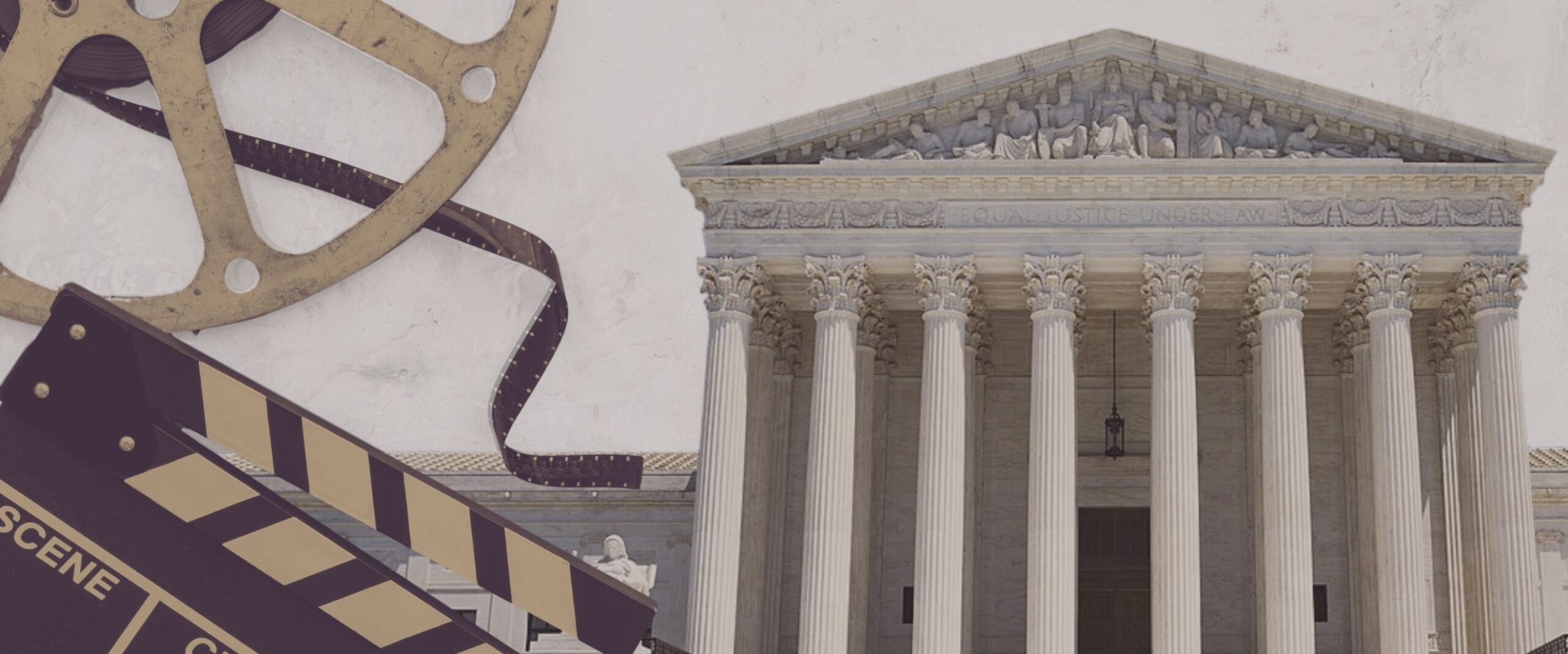
The story of digital piracy has often devolved into one of David versus Goliath. On one side we have the industry titans, fighting tooth and nail in bespoke Italian suits to block all forms of consumption that subvert their short-lived revenue models. On the other side are the users, eternally seeking ways to reduce their spending and pirate content instead. Ironically, this persistent battle against piracy gave birth to modern streaming giants like Spotify.
However, as subscription fatigue sets in, and convoluted regional rights agreements gatekeep content, users have begun to turn back to piracy, prompting a fresh offensive from the men in suits. Rather than going after users like the good old days, which was tougher and made them look bad, big money has turned to the infrastructure itself—Internet Service Providers (ISPs). Suddenly dragged into the arena, ISPs are now caught in the crossfire as providers for infringing sites. This week, the Supreme Court of the United States (SCOTUS) came to their rescue.
On 25 March, in a 9-0 decision in Cox Communications v Sony Entertainment, SCOTUS held that an ISP “neither induced its users’ infringement nor provided a service tailored to infringement”. In a major relief for the ISP—Cox Communications—it set aside a Virginia Court award of $1-billion in damages to Sony and other content providers.
Ian Millhiser from Vox wrote that the Court’s “cautious and libertarian” approach comes from a recognition that its lack of technological and internet expertise could result in severe disruptions to the internet. The decision was driven by concern. If ISPs are held liable in copyright infringement matters, they will be responsible to identify and block IP addresses of all users pirating content. This may result in thousands of users losing access to the internet.
Focusing instead on broader principles of intermediate liability, SCOTUS noted that there was no evidence provided by Sony to suggest that Cox “induced” or “encouraged” piracy. It added that “mere knowledge that a service will be used to infringe is insufficient to establish the required intent to infringe”.
In the absence of evidence of inducement or encouragement, ISPs continue to be protected by Section 230 of the United States’ federal Communications Decency Act, 1996. This provision, which introduced the concept of “safe harbour” protection for intermediaries, had been introduced after one Stratton Oakmont Inc. (yes, that Stratton Oakmont Inc.) sued an ISP because one of its users said mean things about them on an online forum.
India had of course also included a safe harbour protection for intermediaries in Section 79 of the Information Technology Act, 2000, and had to navigate this particular issue over copyright infringement as early as 2016. In My Space Inc. v Super Cassettes Industries Ltd. the Delhi High Court affirmed that Section 79, protects intermediaries in copyright claims. In that case, T-Series argued that My Space was liable for infringement by users who upload copyrighted music on its platform. Section 79 of the Act exempts an intermediary from liability for any information, data or communication links hosted on their platform, provided the intermediary did not aid or induce the unlawful act, and the intermediary acts upon actual knowledge of a specific violation. The provision had been upheld by the Supreme Court in Shreya Singhal v Union of India (2015), where the judges also clarified the scope of “actual knowledge” here.
Over the years, even as the Union Government has introduced additional due diligence obligations for intermediaries and warned that failure to comply with these will lead to a loss of safe harbour, ISPs have thus far been protected from liability. However, this has not left users in the lurch. The Indian courts have directed ISPs to act against domains when it comes to piracy and other infringements without treating them as parties to the infringement, rather than making them go after users. They also use “dynamic injunctions” to ensure mirrors of blocked domains can’t be used to bring them back to life. In March 2026, for instance, the Department of Telecommunications had directed the blocking of 261 additional domains, pursuant to a Delhi High Court order in a suit filed by JioStar (the entity behind JioHotstar).
While this approach protects users from being dragged to court for failing to curb their enthusiasm for piracy, it can prove difficult to execute. The Department of Telecom in India has stated that it is “time-consuming and complex” to ensure that all service providers comply with court directions for blocking websites. The rate at which websites are blocked cannot quite match the rate at which new pirated websites are being created.
With Cox bailed out of a billion dollar suit, companies are left to devise new methods of retaining their hold over consumption of content. It appears that Goliath needs to step back and recalibrate.
This article is riddled with linked recommendations to films and television shows
Related articles

Analysis
TikTok in the dock, the party has stopped
The US Supreme Court’s upholding of a law banning TikTok raises questions about the country as a free speech haven

Analysis
Out of tune: Supreme Court backs off from Dagar-Rahman copyright battle
The SC acted as an ADR forum instead of engaging with issues of originality and authorship in Indian classical music.
Analysis
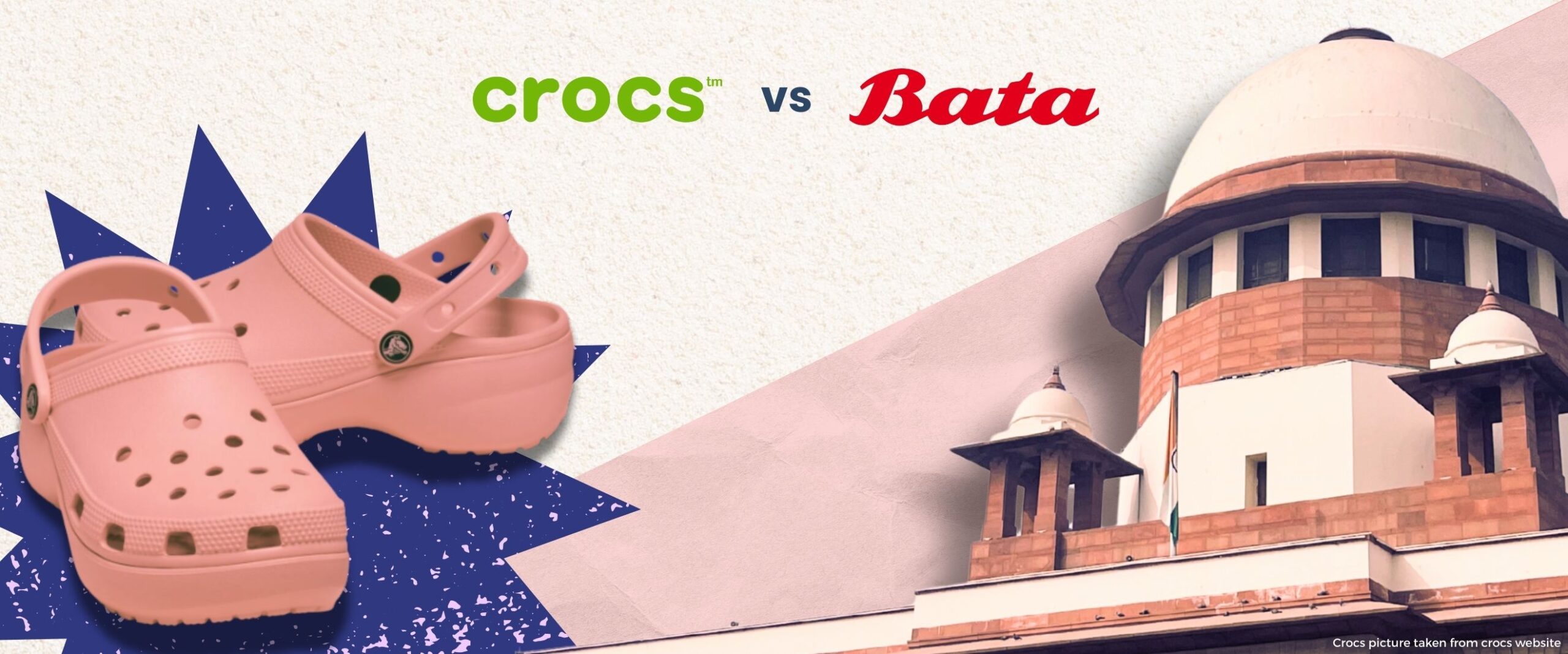
Crocs-Bata: Supreme Court misses opportunity to clarify a key question of design and trademark law
In treating ‘trade dress’ and ‘trademark’ as distinct concepts, two benches of the Delhi High Court may have overlooked a doctrinal point

Analysis
Personality rights: The law must not overprotect fame
A look at the spate of image-related cases filed by stars—through the prism of the rights to publicity, expression, privacy and livelihood