





Analysis
Republic of symbolism
India’s 77th Republic Day arrives amid new battles over national symbols. We revisit what the Supreme Court has said on the subject.

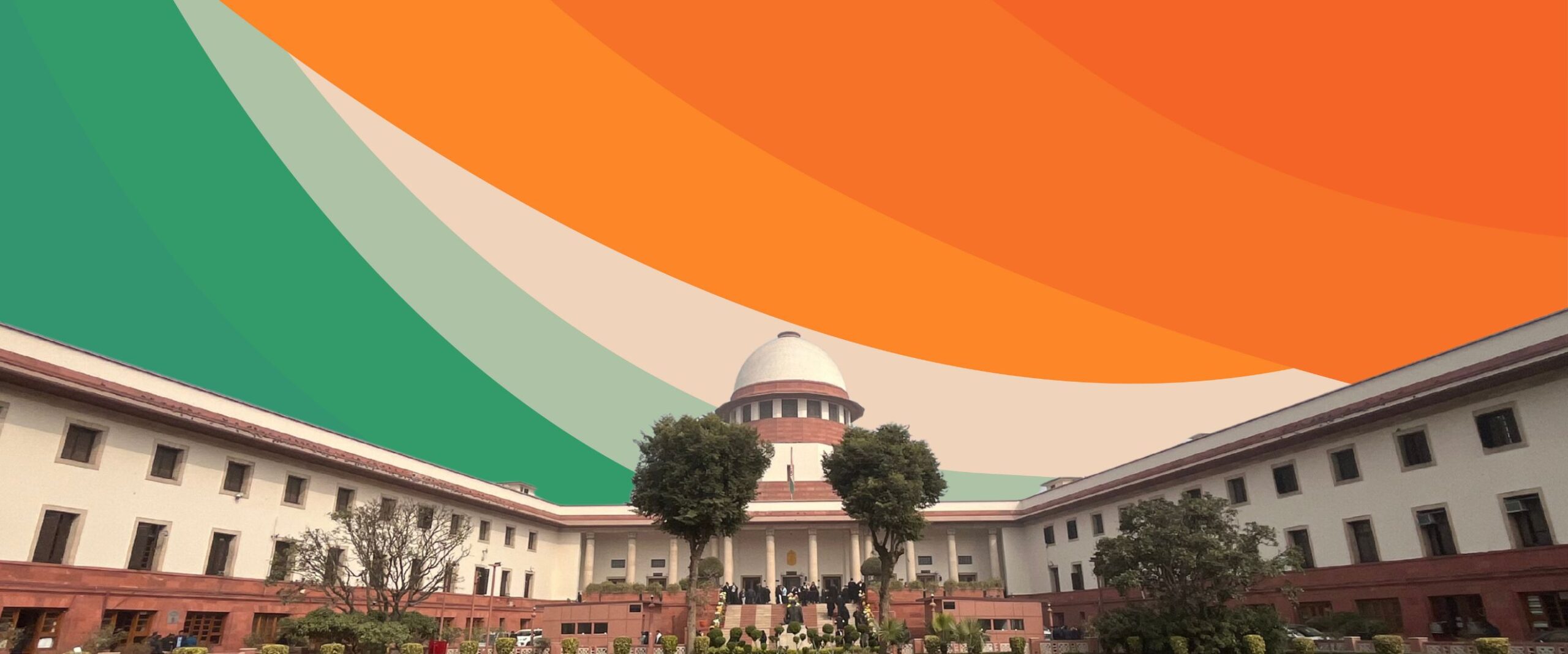
On 20 January, Tamil Nadu Governor R.N. Ravi walked out of the Legislative Assembly, alleging—among other reasons—an “insult” to the National Anthem. The session had opened with Tamil Thaai Vaazhthu, in keeping with the Assembly’s longstanding convention of beginning with the invocation of ‘Mother Tamil’ and concluding with the National Anthem.
Recently, in Kerala, the display of a “Bharat Mata” portrait—often depicted holding a saffron flag—at events hosted by the Raj Bhavan triggered ministerial walkouts, student protests and litigation involving the University of Kerala. In both Opposition-ruled states, federal tensions were refracted through contests over national symbolism.
These episodes—and the approaching Republic Day—provide a timely occasion to revisit the Supreme Court’s approach to national symbols. Over the years, the Court has drawn a principled line between protecting symbols from genuine insult and resisting the State’s attempts to impose a kind of ritual conformity.
This tension surfaces most clearly in cases filed by Bijoe Emmanuel, Naveen Jindal and Shyam Narayan Chouksey. These verdicts breathed life into constitutional doctrine, as the Supreme Court acknowledged respect towards national symbols while resisting the conversion of patriotism into a matter of coercion.
In Bijoe Emmanuel v State of Kerala (1986), the Court protected students who stood respectfully during the National Anthem but declined to sing it as their faith—the Jehovah’s Witness sect—did not allow them to conduct symbolic worship of an authority other than God. In Union of India v Naveen Jindal (2004), the well-known industrialist mounted a challenge to an executive order restricting the right of private citizens to fly the national flag on days other than national holidays. The Court ruled in his favour, holding that flying the National Flag is a form of symbolic expression protected by Article 19(1)(a).
Shyam Narayan Chouksey v Union of India (2018) marked a more ambivalent turn. Originating in a PIL that prompted a 2016 interim order mandating the playing of the National Anthem in cinema halls, the early signal from the Court smacked of performative patriotism. Yet, in disposing of the matter, the Court ultimately made the playing of the anthem optional and deferred the policy question to an inter-ministerial committee—though not before describing the National Anthem as the “élan vital of the nation and the fundamental grammar of belonging to a nation-state.”
In Ashwini Kumar Upadhyay v Union of India (2017), a PIL sought a national “policy” on symbols under Article 51A(a), including recognition of Vande Mataram as “national song”. The Court declined to entertain the “national song” claim while tagging the matter to the policy questions in Shyam Narayan Chouksey. In the same vein, the Delhi High Court later dismissed a plea seeking legal recognition for Vande Mataram, on the ground that it finds no mention in the Constitution. The Bench further advised that the applicant’s “greater contribution” to Vande Mataram would be to “translate his obvious love and respect” for the song “to promote and popularise it amongst the young, explaining its meaning and significance.”
In Aldanish Rein v Union of India (2022), the Supreme Court rejected a challenge to the State Emblem installed on top of the new Parliament building. The petitioner’s contention was that the lions’ depiction appeared “aggressive” and inconsistent with the Lion Capital of Ashoka. The Court found no violation of the State Emblem of India (Prohibition of Improper Use) Act, 2005.
Read together, these decisions suggest that while symbols are worthy of protection, they lose their vitality when deployed as instruments of coercion and diktat. As the country marks another Republic Day, these cases return us to the question of what it means to respect the nation through its symbols. The Supreme Court’s leaning, though confined to the narrow matters before it, could carry a broader message for our times: there is more than one way to be Indian.
Related articles

Analysis
The Birth of the Indian Supreme Court
India celebrates its 74th Republic Day today. SCO revisits the constitutional ideals on which the SC was established.
75 Years of SC Articles
Justice In Circles
How architecture, history, and tradition inform the duality of Indian courts
Analysis
Symbolism and statements
Reversing two administrative moves of the Chandrachud term, CJI Gavai recently remarked that the Court is returning to its ‘original avatar'
Analysis
Waving flag
A quick look at the value of judicial symbolism in the backdrop of the Supreme Court’s recent unveiling of a new flag and insignia