





Channel
Protests against the Chief Election Commissioner
In the recent weeks, protests have swept India on the demand for resignation of the Chief Election Commissioner Gyanesh Kumar

Transcript:
In the recent weeks, protests have swept India on the demand for resignation of the Chief Election Commissioner Gyanesh Kumar—the alleged sole architect of the Special Intensive Revision, which has led to the en masse deletion of voters from electoral rolls.
And it started with a report that changed all that we know about the Election Commission of India.
On 23 September, an Indian Express investigation reported that the Chief Election Commissioner took decisions pertaining to Special Intensive Revision against several written objections filed by the other Election Commissioners. Following the report, the satirist Cockroach Janta Party (CJP) and allied organizations called for a protest on 10 October, with demands for the resignation of CEC Gyanesh Kumar, and better transparency in the electoral process.
Soon after the call, executive Orders, regarding the closure of trains and metro services were floated. On 9 October, Senior Advocates approached the Bench of Chief Justice Surya Kant and Justices Joymalya Bagchi and V. Mohana, seeking the Court’s intervention against such executive orders restricting free movement. In response, the Bench cautioned that maintenance of law and order should not come at the cost of public facilities and ordered against the complete prohibition on the functioning of trains and metro services.
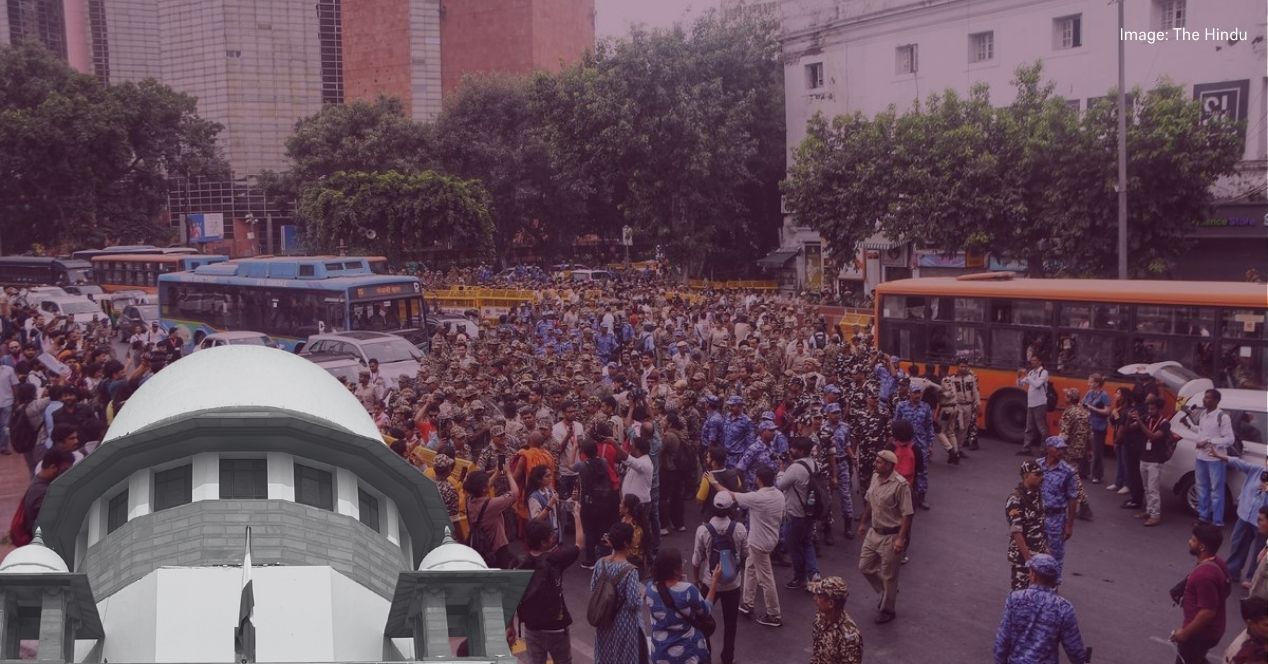
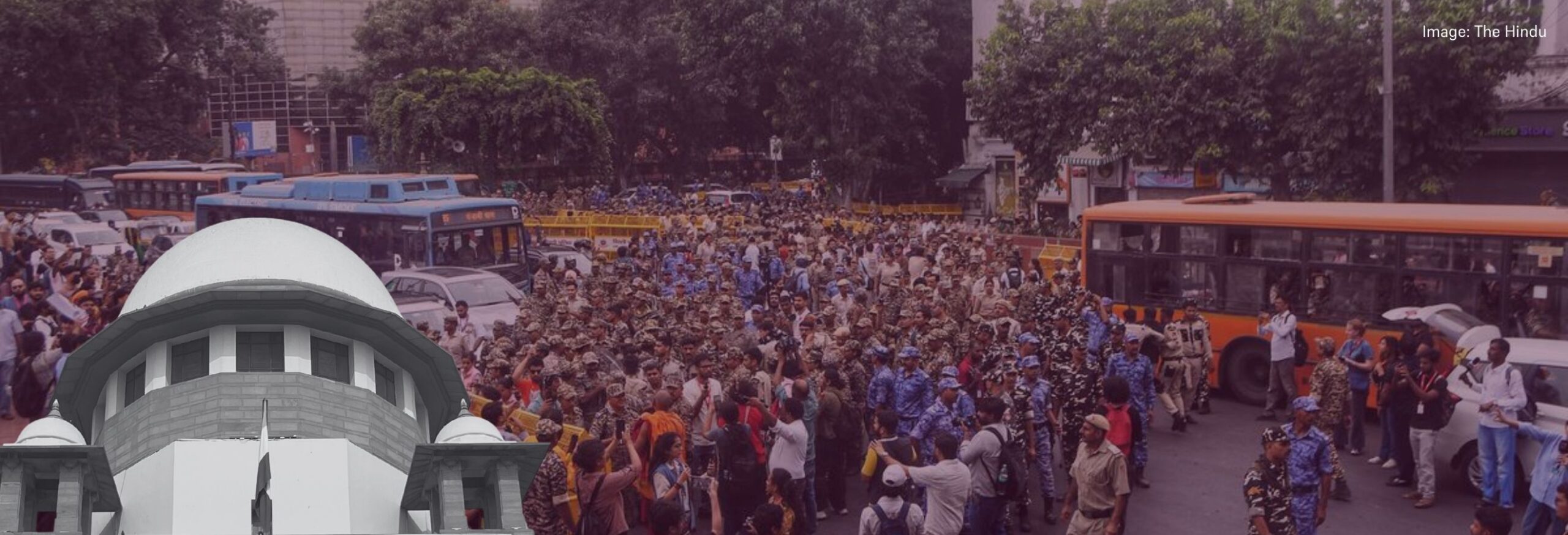
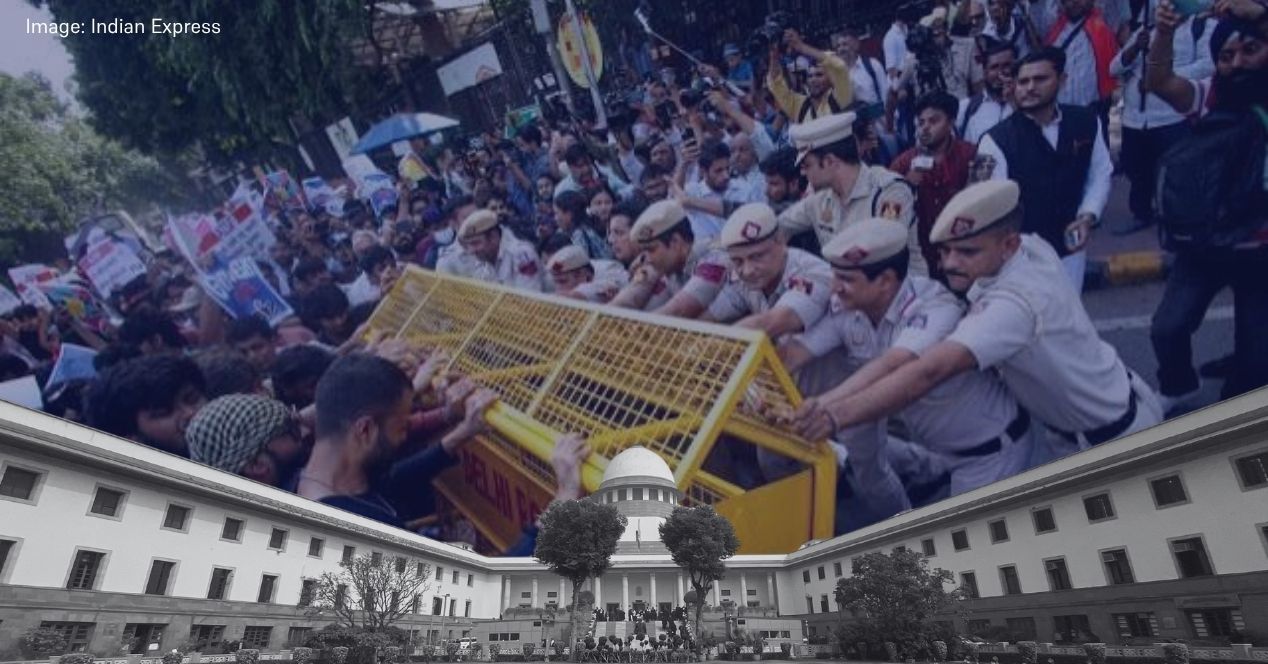
On 10 October, as people took to the streets, the news of restrictions on metros and rail services alongside mass detention of protestors broke out. Section 163 of BNSS functioned around the Supreme Court premises. Senior Advocates and Advocates were also detained near the Court premises.
In a Special sitting on Sunday, the Bench of Justices Joymalya Bagchi and V. Mohana heard petitioners who alleged contempt of court by concerned authorities for flouting the 9 October Order. The Bench directed the restoration of metro and train services and noted that a prima facie case for contempt against concerned authorities is made.
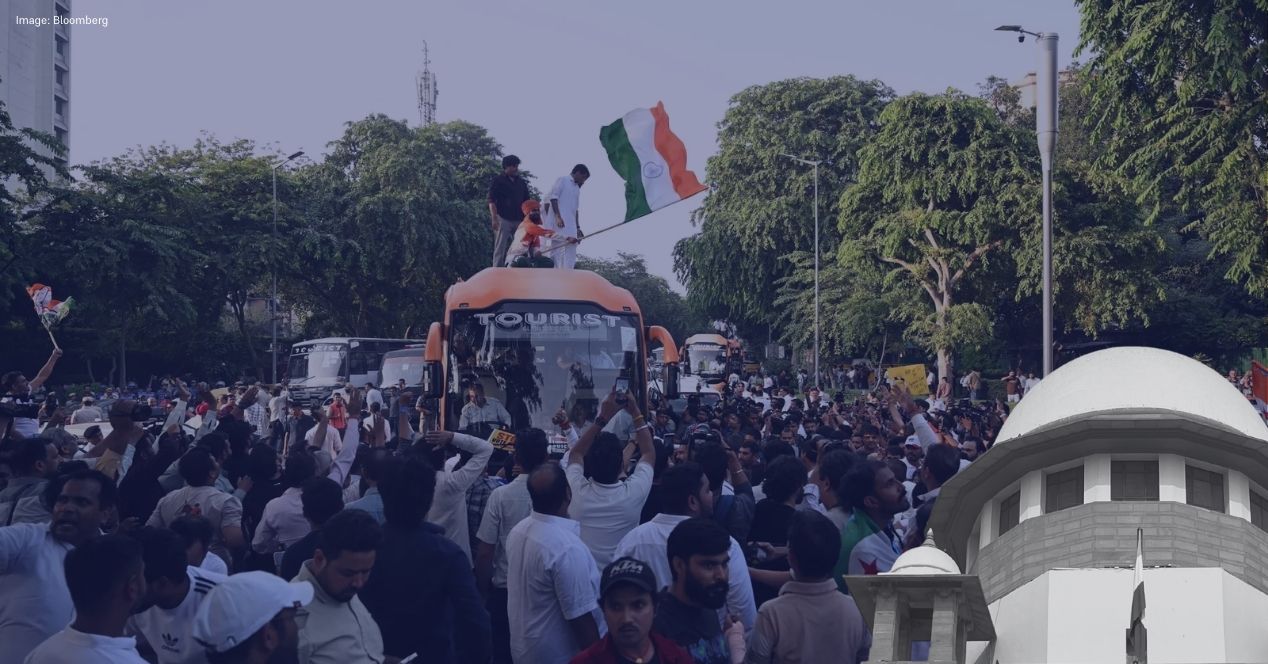
On Monday, the Court received more petitions that alleged ill egal detention of professionals including journalists and lawyers by the Delhi police. On the same day, the Leader of Opposition and INDIA Bloc parties marched to the Supreme Court to file a petition, in fresh challenge against the legality of the Special Intensive Revision.
As the Bench prepares to hear the batch of petitions on Thursday, visit our website to get a quick recap on the developments through the week. Visit scobserver.in now!
Caption: The last week has seen nationwide protests on demand for the resignation of Chief Election Commissioner Gyanesh Kumar. In anticipation of restriction of free movement, the Supreme Court passed an Order on 9 October, stating that there must not be complete prohibition of train and metro services. On 10 October, metro and rail services in Delhi were shut down, triggering a batch of contempt petitions against concerned authorities. The Supreme Court shall hear the petitions alongside a set of fresh petitions challenging the constitutionality of the SIR.
Catch all updates on scobserver.in.
Related articles

Analysis
Delhi CEC Protests | Supreme Court to hear Contempt and Habeas Corpus petitions
The Supreme Court shall hear contempt and Habeas Corpus petitions following the protests against CEC in Delhi

Analysis
Delhi CEC Protests | Live Updates from the Supreme Court
On the extraordinary occasion of a march to the Supreme Court by the Leader of Opposition, we report between Court and the streets
Analysis
Dissent over SIR: Making sense of Supreme Court hearings
The extraordinary Sunday sitting raised expectations, but its directions will count only if the following proceedings produce safeguards
Analysis
Delhi protests: No immediate relief on contempt and Habeas Corpus petitions
The Supreme Court directed restoration of services in New Delhi and will hear compliance reports from State authorities on Tuesday