





Analysis
‘Law is not only about making money’: Justice Zakeria Mohammed Yacoob
Justice Yacoob talks to SCO about pendency, access to constitutional courts, PIL and the limits of judicial power in driving reform

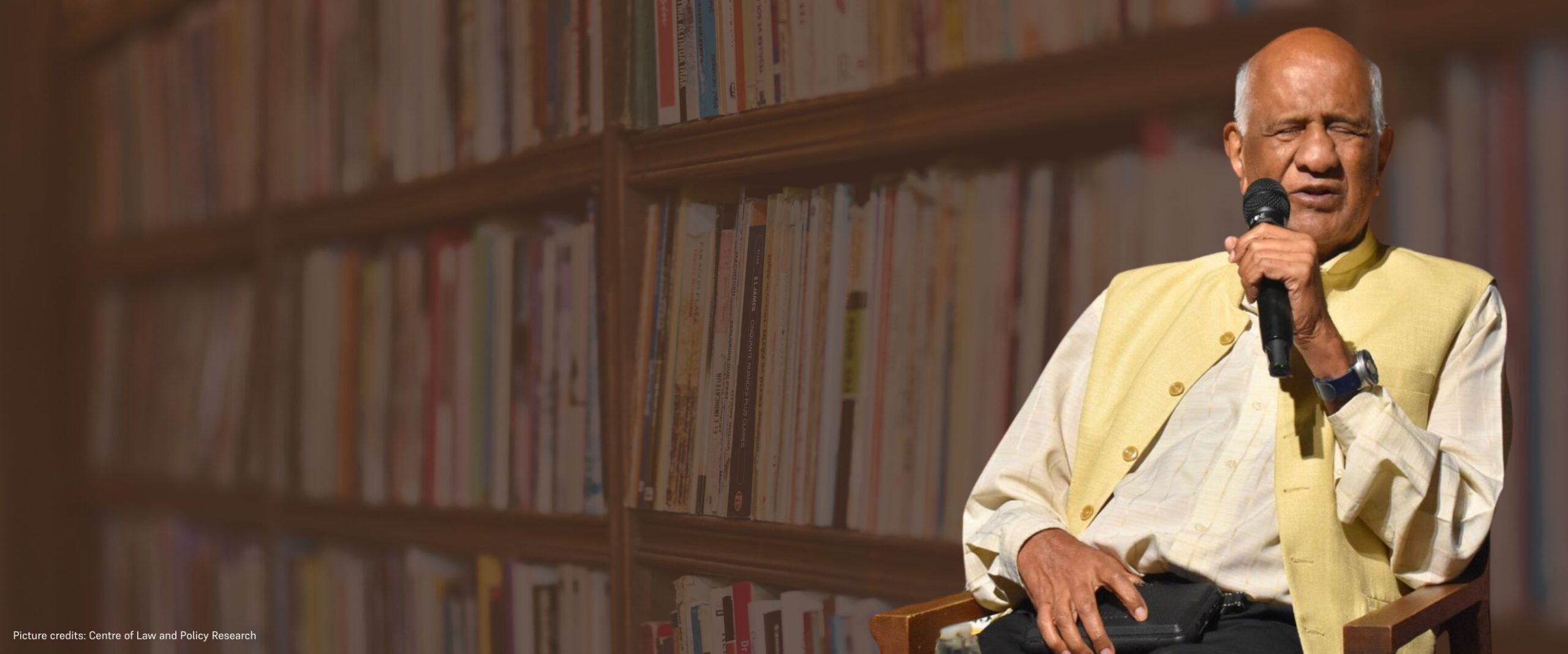
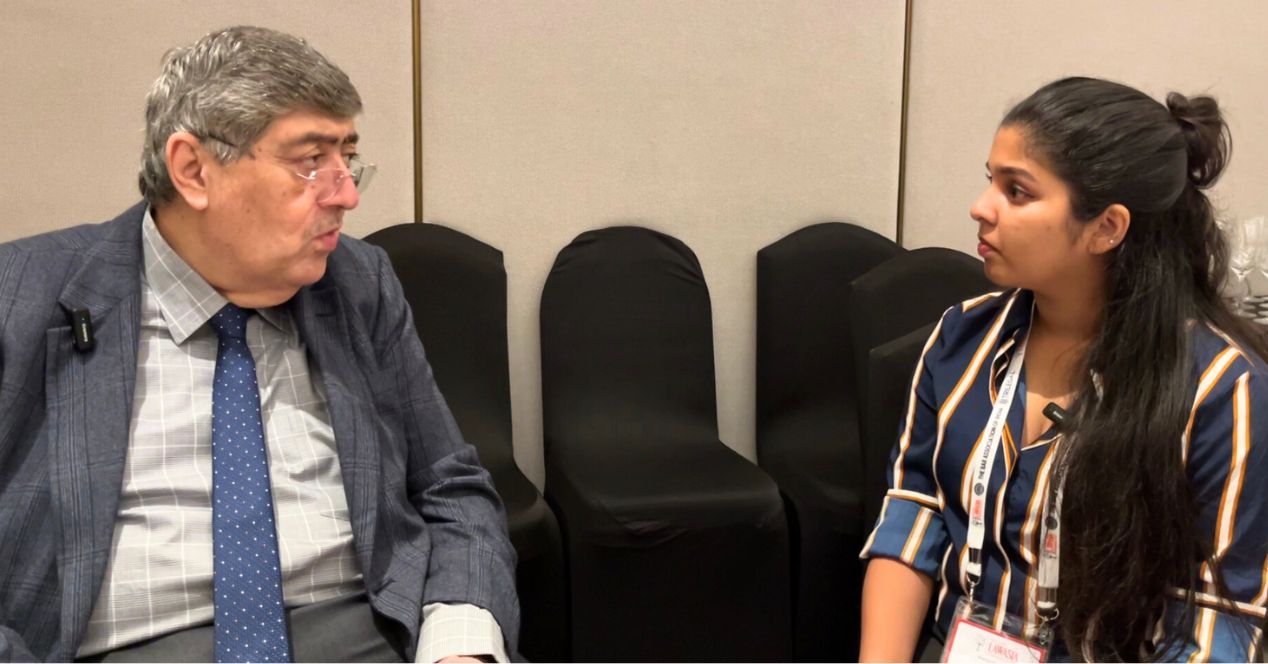
A few weeks ago, the Supreme Court Observer spoke with Justice Zakeria Mohammed Yacoob, a retired Judge of the Constitutional Court of South Africa.
Justice Yacoob served at the Constitutional Court from 1998 to 2013. Appointed during the Presidency of Nelson Mandela, Justice Yacoob retired after completing the constitutionally prescribed term of 15 years. Before his elevation, Justice Yacoob represented anti-apartheid activists in public law matters and criminal trials. An activist himself, Justice Yacoob was a part of the Natal Indian Congress, the United Democratic Front and other anti-apartheid organisations.
Our conversation with Justice Yacoob was rich with insights about the transformative vision of the Constitutional Court in the post-apartheid era. Established in 1993, the Court hears cases of both original and appellate jurisdiction mainly from the Supreme Court of Appeal and, when in the interests of justice, directly from other lower courts too. Unlike the Supreme Court of India, which hears civil, criminal and constitutional matters, the Constitutional Court of South Africa primarily decides constitutional matters.
Justice Yacoob also shared insights into the experience of the Court with regard to socio-economic justice and rights jurisprudence. The dialogue explored a comparative examination of the Indian Supreme Court’s experience, drawing an interesting parallel between the two post-colonial democracies.
We thank Justice Yacoob for joining us in conversation.
Do you think the Constitutional Court of South Africa has retained its transformative vision? What are the challenges before the Court today?
The principal challenge before the Court is the sheer number of cases. There was, in fact, a Commission appointed to deal with this matter and make recommendations as to what should be done. They have produced a report suggesting recommendations for reducing the load of the Court. Pendency is the biggest problem.
A major criticism we hear about the Indian Supreme Court concerns its backlog of cases. How many cases do you think the Constitutional Court hears annually? And how does the Court respond to the increasing case load?
This is precisely the difficulty we are grappling with as well. When the Constitution Court first started, it used to have 120-130 applications per year, which is nothing compared to yours, I am sure. We managed that easily because out of the 120-130 cases, only about 20-30 were worth hearing. The other applications were speculative because, in the Constitutional Court, then and now, you have to make an application for leave to appeal. Now, the cases have gone up to 550-600, which is a serious problem. Unlike your Supreme Court, our Constitutional Court sits en banc. All 11 judges are members, and the quorum is 8. That means you cannot even split it into two benches. To do that, you need 16 judges of the Court. This structural constraint is the problem.
The report [of the Committee] makes recommendations on how to deal with the backlog. One of the suggestions in the report is to follow the example of the Indian Supreme Court and have the Constitutional Court judges sit en banc, but in allocated groups. If the number of Judges was increased to 12, and they sat in benches of 4 each, that might do it quite nicely. Or 13, and they sat in benches of 4 each with 1 person in reserve, that might solve the problem. There are other suggestions too, including stricter access norms. But somebody has to look at the report and decide what to do. Until then, the backlog will remain substantial.
In the 1950s, the Indian Supreme Court Judges used to sit en banc and with 8 judges. Our docket is largely dominated by Special Leave Petitions. Since you mentioned Special Leave to Appeal, do you think this is a trajectory that every new Constitutional Court follows as it grows and becomes more accessible?
I do not know about every new Constitutional Court, but I know that there are many new Constitutional Courts in the world, for example, the German Constitutional Court sits en banc anyway. I have not observed a pattern where backlogs result in institutional restructuring.
My own view is that access should be made more difficult than it is. I also think the court should employ professional people. Ideally, 20-30 Constitutional Law experts should look at the cases and determine which cases warrant the Court’s attention. Some form of effective filtration system is needed. The Commission is trying to address this now.
Could you tell us a little bit about the impact of the Zondo Commission in South Africa? What role should the Constitutional Court play in facilitating the reforms recommended?
Well, I think that all political parties have a role in bringing about the reform. It has very serious consequences. It was a very good Commission and it shows that improper commercial and corrupt forces have taken over critical functions of the State and started controlling them through the backdoor for their advantage.
But there is also another Commission, the Madlanga Commission, that is now examining problems with policing. There is evidence that the whole of the South African Police Service is in absolute disarray.
What is required is an overall reshuffling and reshaping of the police system. So far, our prosecution system is still functional, and it may have to be leveraged to overhaul the policing system.
The South African Constitution was among the first Constitutions to recognise disability as a ground for discrimination. Has this recognition translated into meaningful change on the ground?
I think that the experience of people with disabilities on the ground has not changed too substantially. However, now the Government employs people with disabilities more readily.
The challenge is reasonable accommodation. Kinds of disability cannot be standardised. If the disability is deafness, accommodation must include people being able to communicate in their workplace through sign language as people with and without disabilities must be able to communicate with each other. A person in a wheelchair requires ramps for accessibility. A blind person is a little more difficult to accommodate.
For example, when I served on the Constitutional Court, I had a special assistant, paid for by the Court. My assistant made sure my material was converted into braille and would read things to me when necessary. However efficient you are, you cannot work in a seeing world without some kind of support, and that support has been provided to me by the Court. Some people with disabilities might complain that the Court does not have enough support, but I am convinced that in the private sector, people with disabilities still have very serious problems.
The India Supreme Court’s experiment with Public Interest Litigation (PIL) has had a limited impact. What are some strategies used by the South African Constitutional Court that may be useful to deepen social transformation?
The Court can do nothing about it. What the Court does is decide the cases brought before it. Public interest litigation depends on lawyers or organisations willing to take up work at low cost. The difficulty is that the public interest organisations struggle to secure funding. As a result, while some of these cases are being dealt with, they are not increasing enough.
Just to follow up on the previous question, how does one access the original jurisdiction of the Constitutional Court? In the Indian Supreme Court, often the Court receives petitions through letters and then the Registry and the Judges go through them and register if they find them useful. Is there a mechanism like that in the Constitutional Court?
Anything sent to the Court is taken seriously. When I was there, if we received a letter, we looked at it. One can lodge their complaint through letters. If there is a case that could be pursued, the Court took it into account. On one occasion we received a letter and referred the matter to the Socio-Economic Rights Institute, since it was a socio-economic problem and we also asked the Bar Council to make counsel available to pursue and present the case before the Court.
The Indian Supreme Court has a Suo Moto jurisdiction where the Court takes cognisance of cases on its own in matters where Court’s intervention is needed. Is there a similar mechanism like that in South Africa?
There is no formal mechanism like that, but there is nothing to prevent it. If a Judge reads an article in a newspaper and says, “Look, we have to do something about it,” it may be discussed internally. However, I disagree with that practice. Judges who take cases because they feel strongly about them, risk compromising their independence. In our Court, this approach would not be encouraged. However, if I were a Judge today, I would prefer that a lawyer pursue the matter independently.
Most young law graduates are torn between commercial success and meaningful work. What advice would you offer them?
I would plead with them to abandon the notion that they are lawyers only to make money. Businessmen may prioritise profit, but even they have to make public contributions.
I would urge them to ensure that they do not let our profession down, by only chasing profit. They must organise their life in a way that allows them to earn a decent living, while preserving the integrity of the profession through meaningful public interest work.
Related articles

Analysis
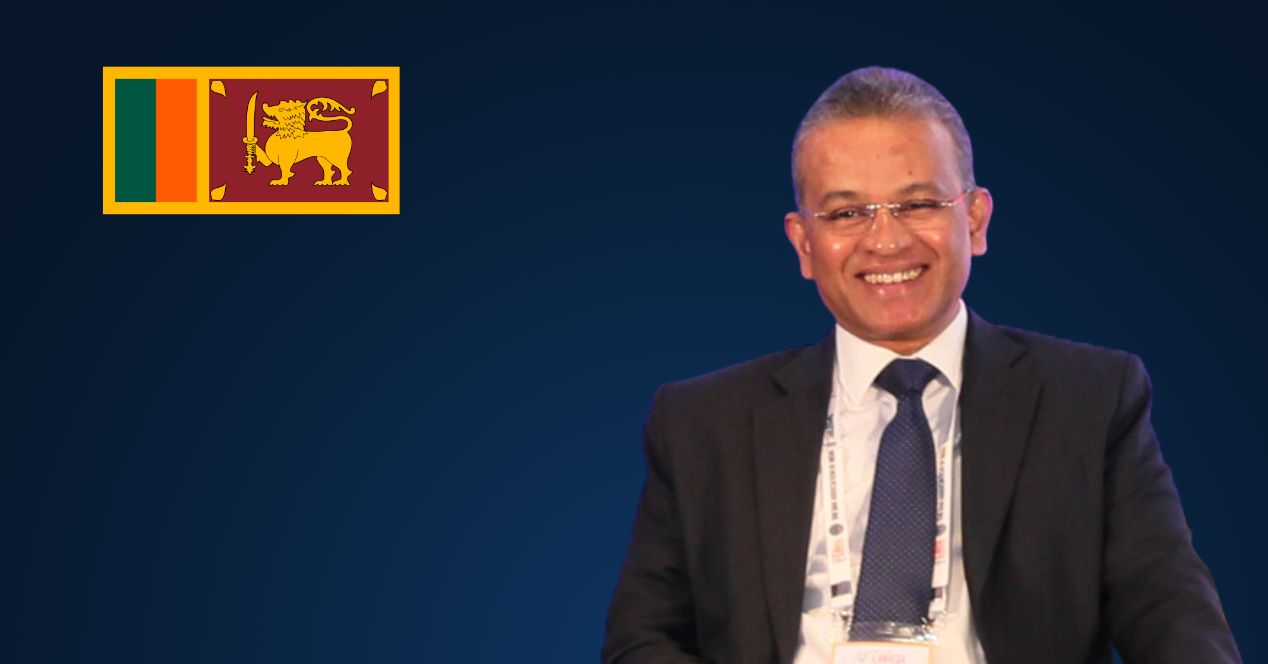
“Judiciary of Sri Lanka has maintained independence, personalities haven’t mattered”: Justice Arjuna Obeyesekere
SCO spoke to the Sri Lankan Supreme Court judge about arbitration, judicial independence, and law’s influence on society
Channel
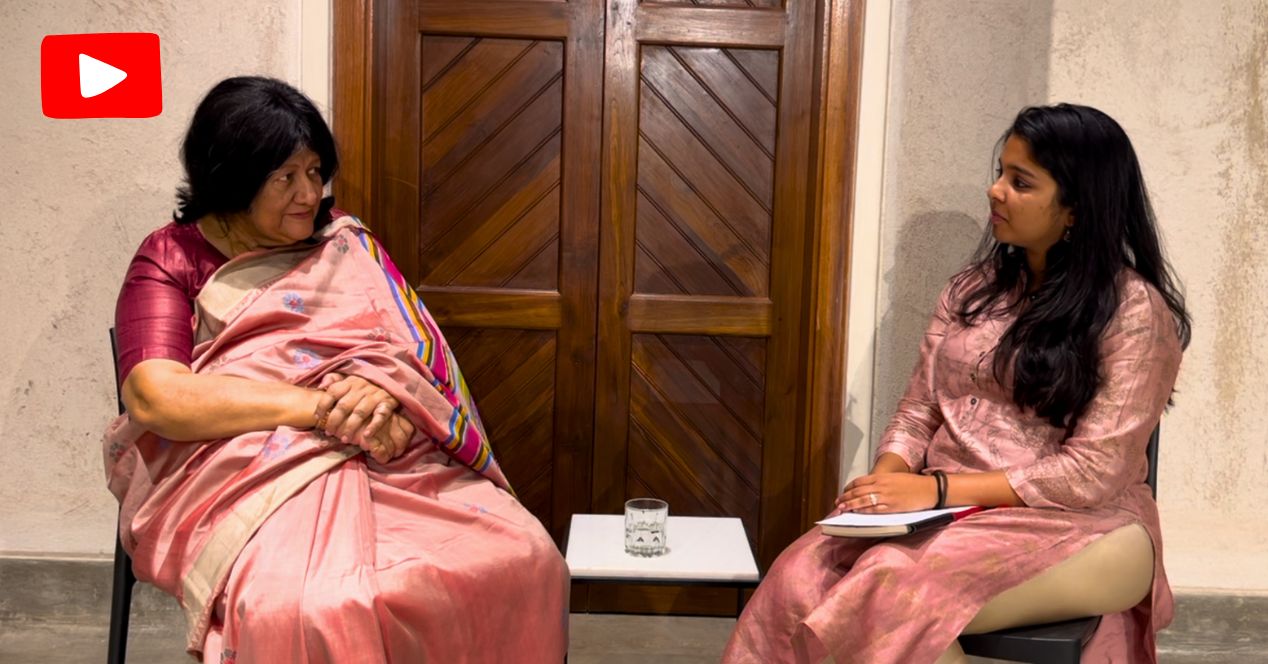
Interview | Justice Indira Banerjee, former judge of the Supreme Court
Justice Indira Banerjee spoke with Gauri Kashyap, SCO, about the Court's pendency problems, need for capacity building for women and more
Analysis
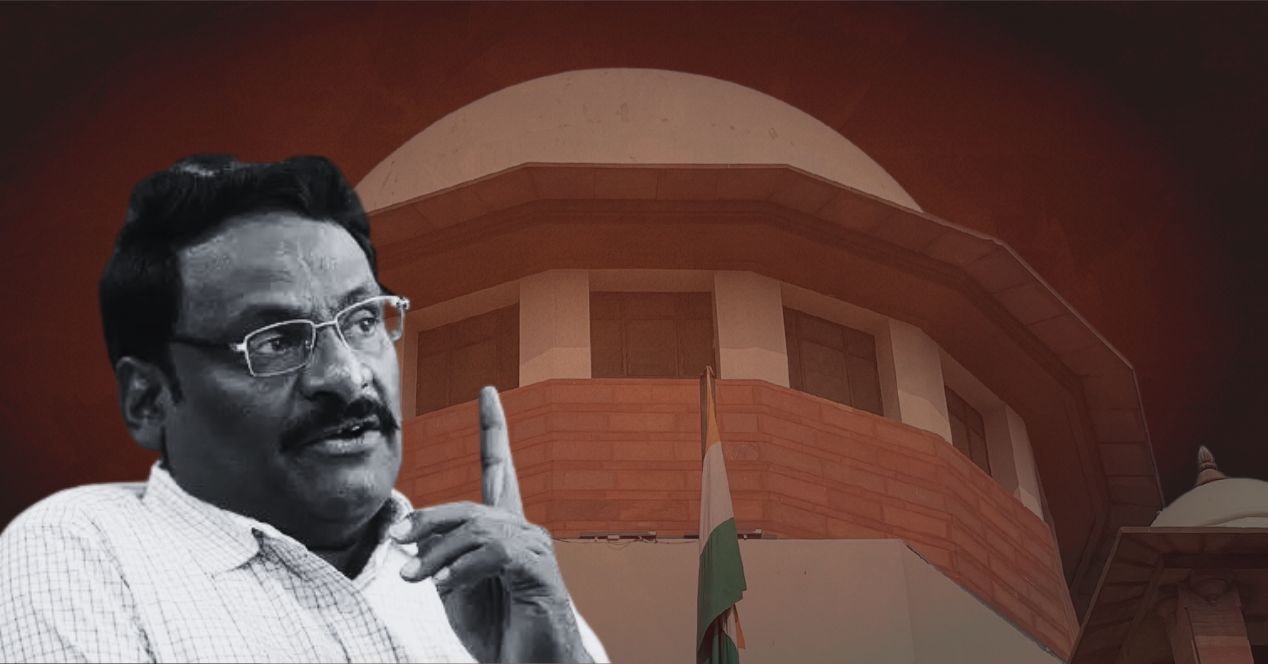
Judiciary must ensure that fundamental rights are closely guarded: Interview with G.N. Saibaba
Professor Saibaba speaks to SCO about how the failures of the judiciary is reflected in prisons
Channel
Everyone has a political view, but a Judge learns to shed it in Court, says Justice S.K. Kaul
In conversation with SCO, Justice S.K. Kaul spoke about mediation as the hope for better access to justice and diversity in Indian Courts