





Analysis
The CJI Surya Kant era begins
CJI Surya Kant’s first week sets the tone for his 14-month long tenure

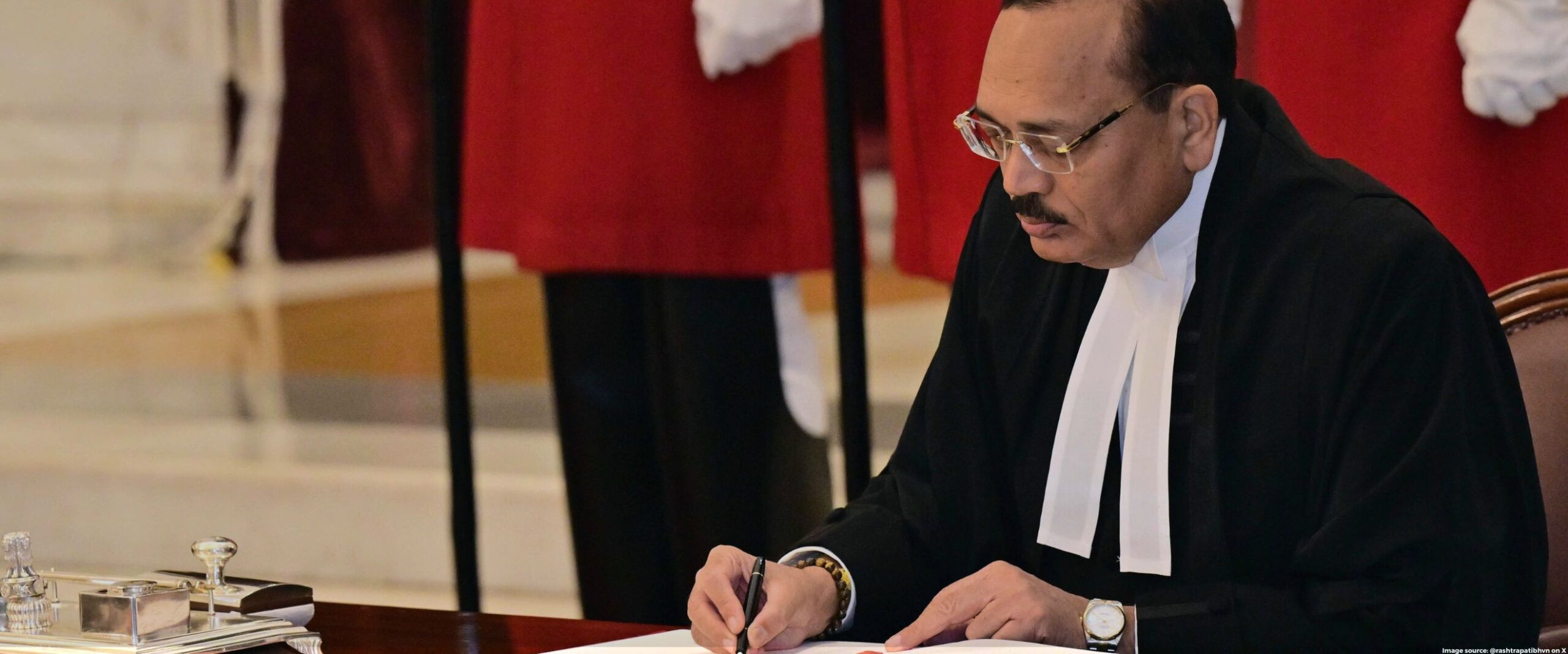
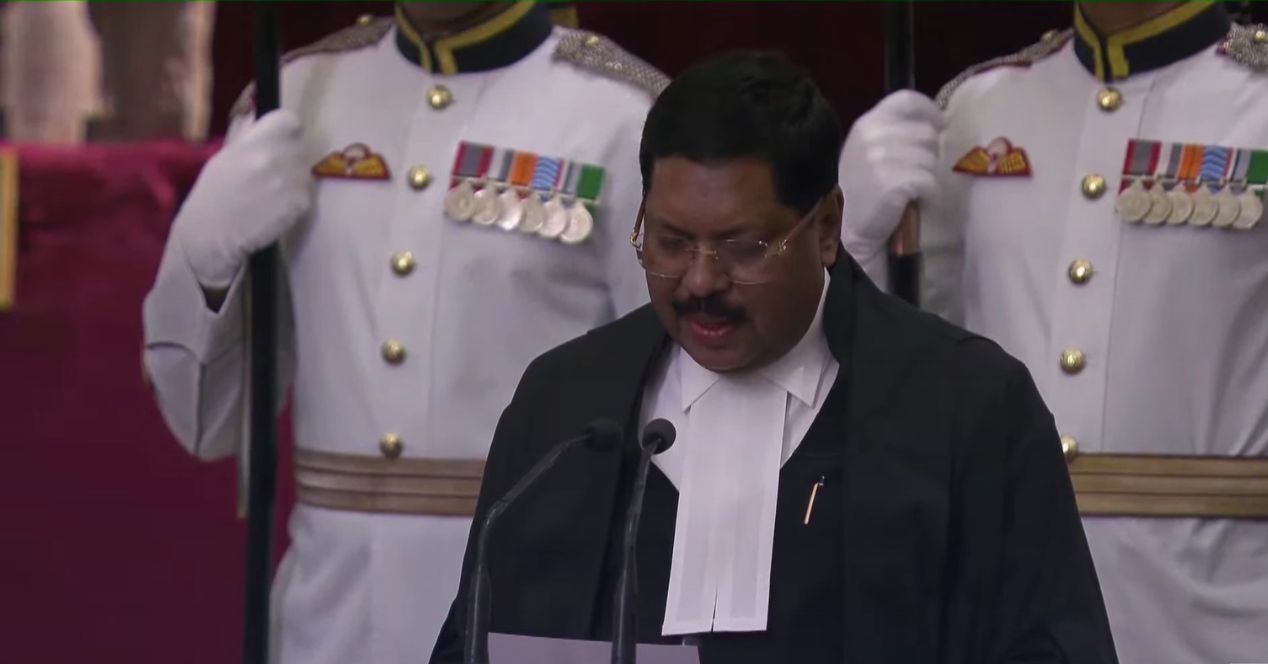
Justice Surya Kant stepped into his role as the 53rd Chief Justice of India, commencing a 14-month tenure that will conclude in February 2027. This longer term signals institutional stability, a crucial element, given that two preceding Chief Justices held shorter terms. A stable tenure allows the Court to integrate long-term institutional changes into its daily workings without the risk of immediate reversal by a successor.
Days before taking oath, CJI Surya Kant signaled his priority: tackling the Supreme Court’s alarming pendency, which currently stands at 90,497 cases. Perhaps inspired by the 51st CJI Sanjiv Khanna, CJI Surya Kant appears ready to push for mediation and alternate dispute resolution methods. He also flagged the familiar problem of litigants bypassing High Courts to directly approach the Supreme Court.
His speech on Constitution Day advocated for a uniform judicial policy. CJI Surya Kant likened judicial pronouncements to musical notes that should possess the same rhythm, rather than sounding discordant when read together. He highlighted the multiplicity of decisions from different courts and stressed the need to avoid divergence in decision-making. This approach foregrounds ‘predictability’ in judicial decision making. This would mean that similar cases are decided in a similar manner, without diverging opinions.
Regarding pendency, CJI Surya Kant identified the backlog in Constitution Bench matters, especially seven-and nine-judge bench cases, as a major contributing factor, affecting not only the Supreme Court but High Courts and District Courts as well. Many matters languish because they await a definitive constitutional answer from the top court. Notably, the tenures of CJIs Khanna and Gavai saw no seven- or nine-judge bench cases, a step back from the regular listings seen under CJI D.Y. Chandrachud. CJI Surya Kant’s first week offers hope for a revival, as he mentioned his aim to list nine-judge bench matters starting in January 2026. One potential case is a curative plea against the nine-judge bench decision on States’ power to tax mines and minerals, which I extensively reported on in 2024.
On the administrative front, on his first day, CJI Surya Kant stated that oral mentioning will not be taken up for same-day listing of matters, unless they deal with personal liberty. Any urgency on listing is to be circulated by letter. This will not be the only administrative change that we will hear from the Chief. He has teased a series of administrative reforms that are expected to be announced on 1 December. This includes streamlining the listing of matters, and a plan to do away with oral mentioning entirely. “I will try to solve all pressing problems… Everything can be achieved through collaborative efforts”, he stated at a felicitation function organised by the Supreme Court Bar Association.
This week, his Bench dedicated two days to hear arguments challenging the validity of the Special Intensive Revision of electoral rolls in Bihar—a decision that will prove crucial for similar SIR exercises underway in states like Kerala, Tamil Nadu, and West Bengal. He also revived the Ranveer Allahabadia matter from cold storage, hearing submissions from the Union government on guidelines that will regulate user-generated content on social media. Intriguingly, his first week also drew some criticism for upholding the dismissal of a Christian army officer who refused to enter a temple sanctum.
This inaugural week clearly indicates that CJI Surya Kant’s tenure will be an action-packed one. Our coverage of these developments will continue for the next 14 months and beyond. Have a fun weekend and see you next week!
Related articles

Analysis
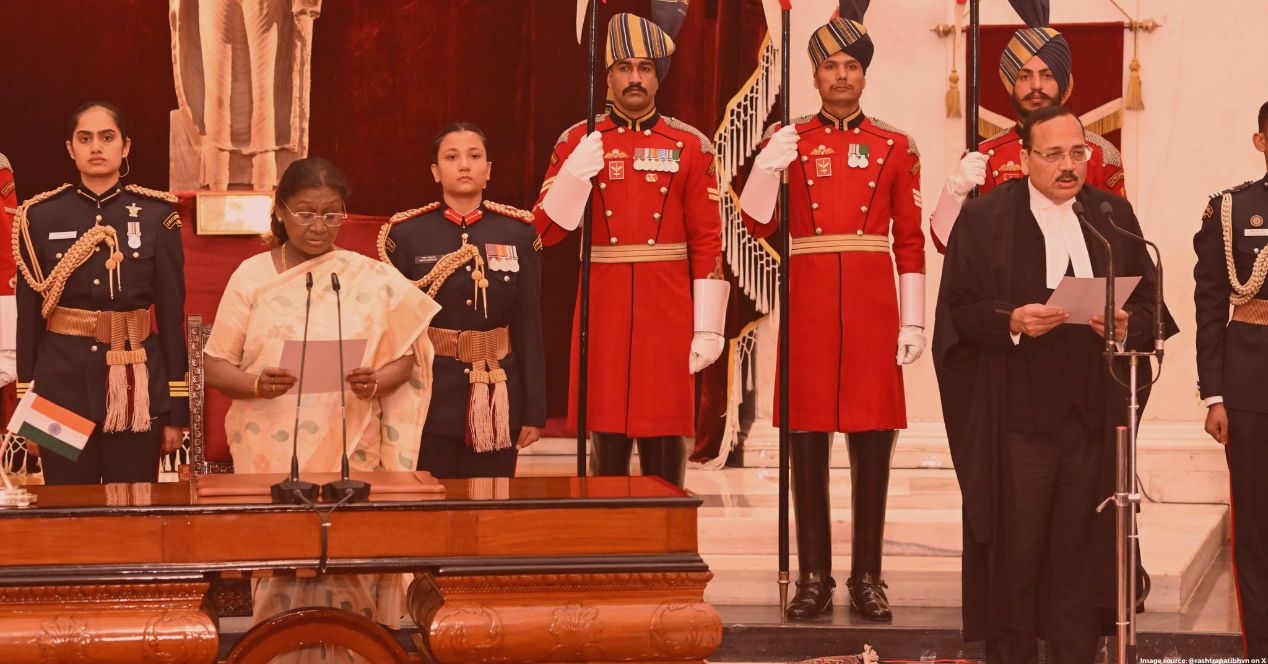
Who is Justice Surya Kant?: The making of the 53rd Chief Justice
We take a brief look at the background of the new Supreme Court Chief—and his time as an advocate and a judge in the Punjab & Haryana HC
Analysis
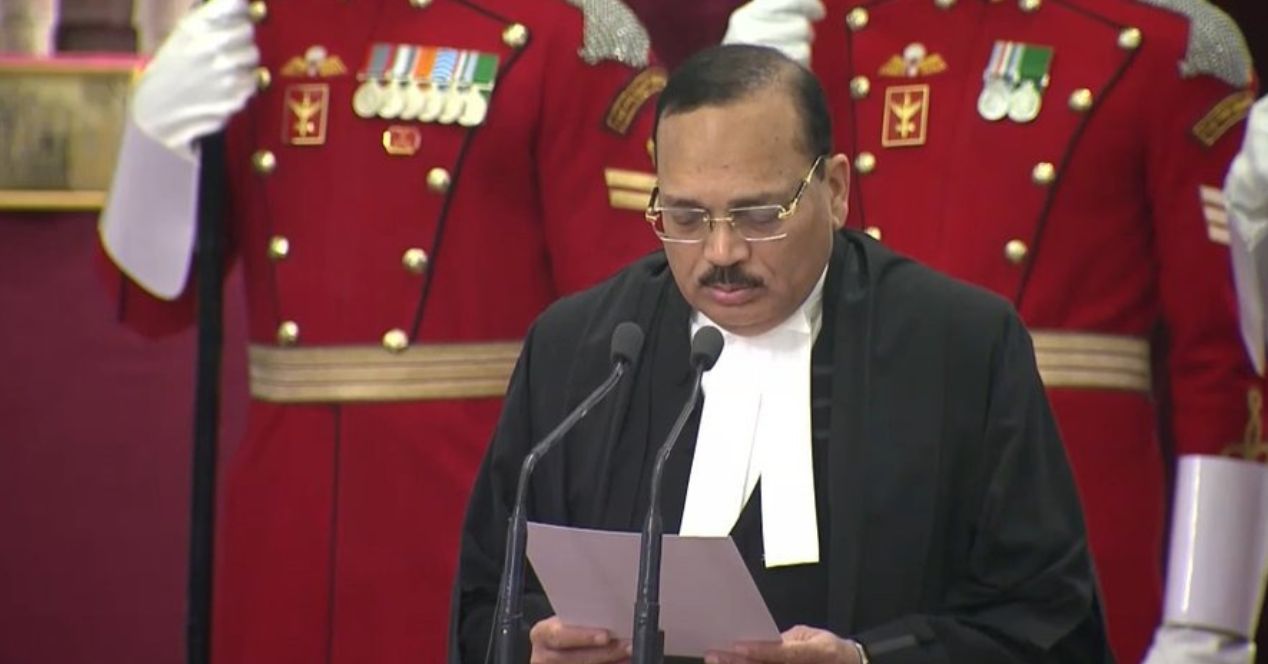
Justice Surya Kant takes oath as the 53rd Chief Justice of India
CJI Kant announced that his focus will be on clearing old Constitution Bench cases and reducing pendency
Analysis
Members of the Supreme Court Collegium as of November 2025
The Supreme Court Collegium is now headed by CJI Surya Kant, includes two future CJIs and one woman judge
Analysis
The Gavai interlude
Short tenures are seen as intervals between longer terms offering wider scope for big changes. What will the new CJI do with his 6 months?