





Analysis
Manipur violence | SC proposes special courts to expedite trials
The Court extended the tenure of the Justice Gita Mittal Committee and directed the CBI to conclude investigations within a reasonable time

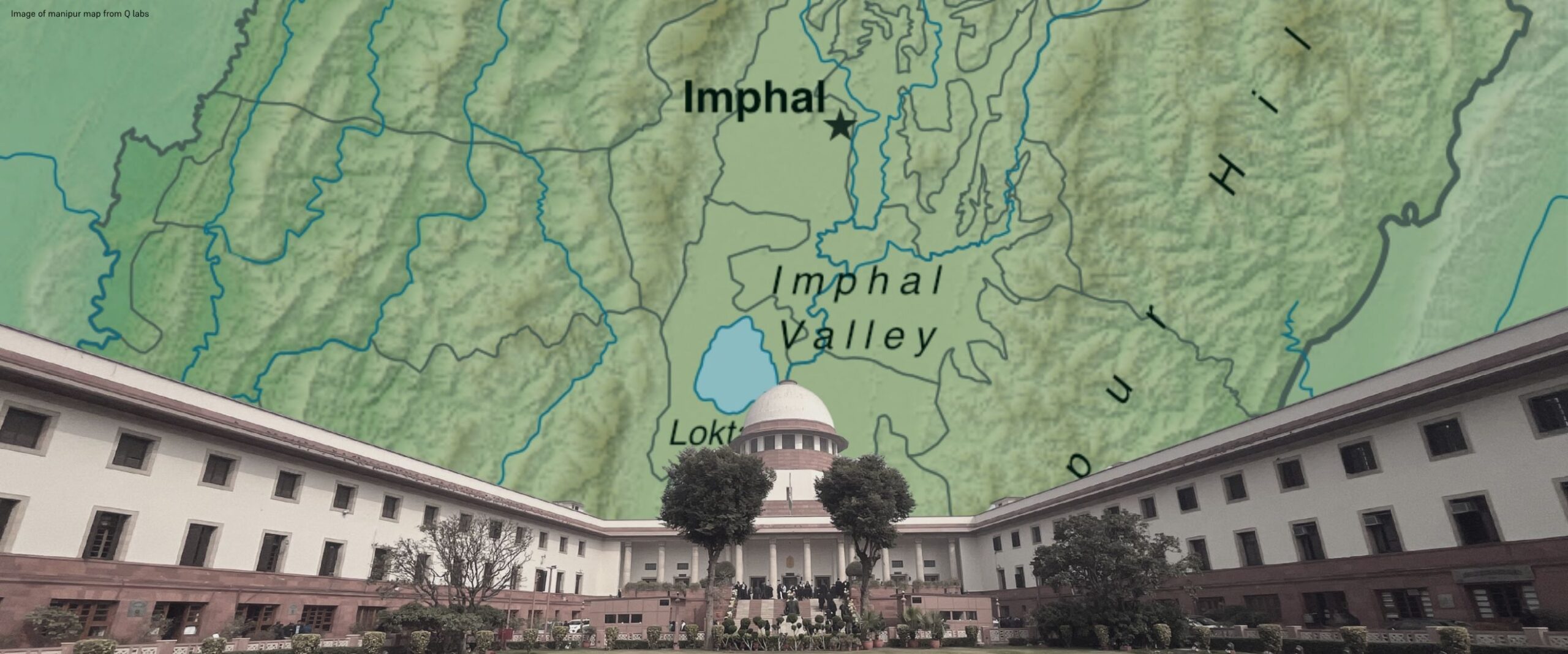
Today, the Supreme Court proposed constituting special courts to conduct day-to-day trials in criminal cases arising from the Manipur ethnic violence. A Bench of Chief Justice Surya Kant and Justices Joymalya Bagchi and V. Mohana was hearing a batch of petitions concerning investigation and trial in the violence cases. The Bench observed that investigations by the Central Bureau of Investigation (CBI) and Special Investigation Teams (SITs) must be completed within a reasonable time.
Chargesheets still not reaching victims
In March, the Court had directed that chargesheets be provided to victims, noting that trials were taking place in Guwahati while many victims continued to live in Manipur. Additional Solicitor General Aishwarya Bhati submitted that chargesheets had been supplied to victims and their lawyers, but not to women’s groups or public interest petitioners as they contained sensitive material. Senior Advocate Vrinda Grover interjected stating that families of two deceased victims had not received copies. Grover added that while one legal aid counsel had received the chargesheet, another was still waiting.
Referring to status reports filed by the Chief Justice of the Manipur High Court, the Court noted that the High Courts of Manipur and Gauhati, along with the Legal Services Authorities of both states, had coordinated to facilitate legal aid and supply of chargesheets.
Court weighs special courts
The CBI informed the Court that it had filed chargesheets in 21 cases, while investigation was continuing in 11 and four cases remained under investigation. The SITs investigating over 3,000 cases across eight districts reported that chargesheets had been filed in 301 cases and trials had commenced in ten.
The Court reminded that investigations must be completed within a reasonable time, while acknowledging the complexities faced by the CBI: displaced witnesses, mistrust, language barriers and internet shutdowns. It proposed constituting special courts, in consultation with the State of Manipur and the High Courts of Manipur and Gauhati, so that trials could proceed on a day-to-day basis. The Court directed the state to extend full cooperation to the investigating agencies and directed the Union to compile details of all pending investigations and chargesheets so that it could assess the number of courts required.
Missing persons and reconstruction
The Bench also heard an application by the International Meitei Organisation seeking transfer of investigations relating to 30 missing persons to the CBI. The applicants submitted that the families could not obtain death certificates unless they waited seven years. The Court directed them to approach the Chief Justice of the Manipur High Court, who could consider entrusting the matter to an SIT or another appropriate forum.
On the issue of places of worship damaged during the violence, Advocate Shahrukh Alam submitted that reconstruction had not begun and that some sites were being encroached upon. The CJI observed that rebuilding homes had rightly been prioritised as “people need a roof on their head”, but clarified that no further encroachments should be permitted. It directed the petitioners to place details before the Justice Gita Mittal Committee for verification and extended the Committee’s tenure till December.
Related articles

Analysis
Manipur Violence: 27 cases transferred to CBI to be heard by session judges in Assam
Supreme Court accepts SG Mehta’s contention that “security issues” in Manipur would make it difficult to conduct trials there
Analysis
Ensure dignified burial of dead bodies in Manipur, directs Supreme Court
A Human Rights committee set up by the Supreme Court claims there are 175 dead bodies across mortuaries in Manipur
Analysis
Supreme Court questions delay in legal aid for Manipur violence victims
The Court commented on the problems caused due to multiple authorities being involved as oversight bodies in the Manipur violence