





Analysis
SC brings Jantar Mantar HPEC under its direct supervision
Bench directs confidential access for vulnerable witnesses

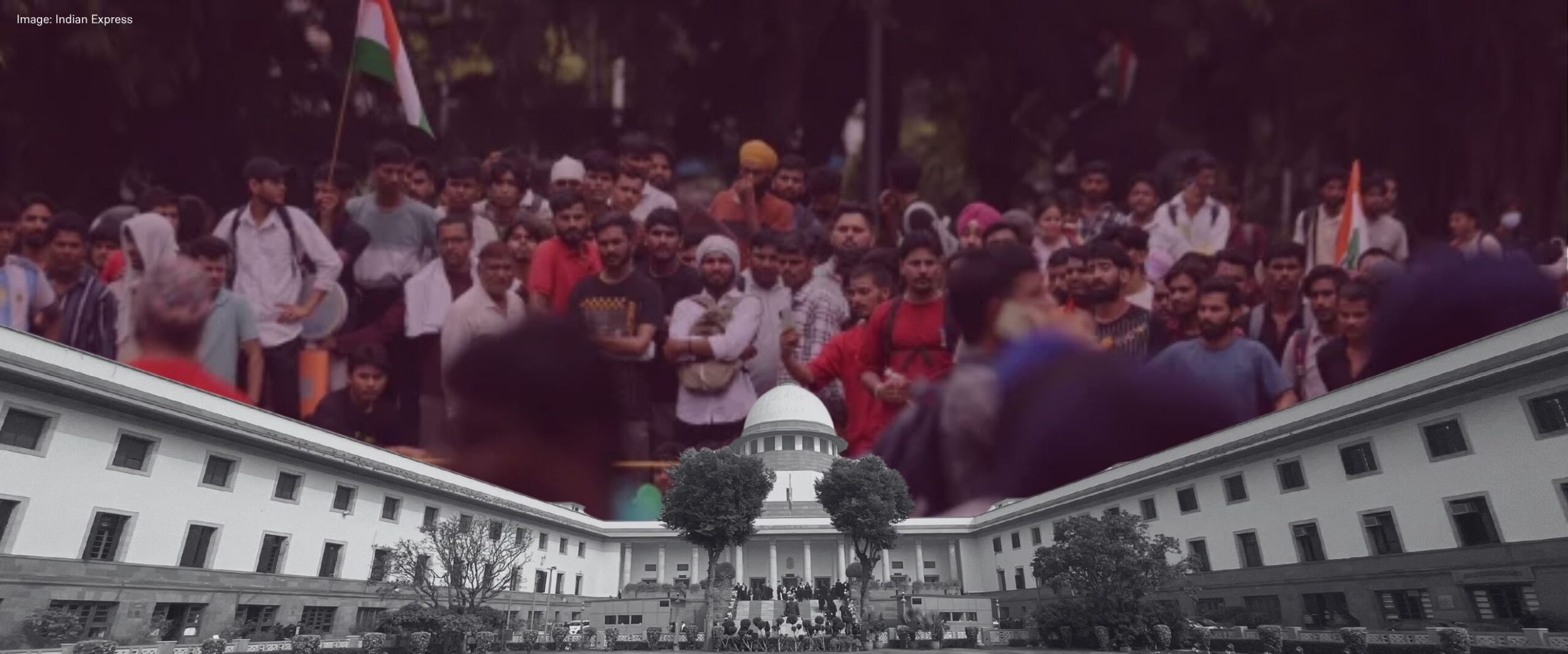
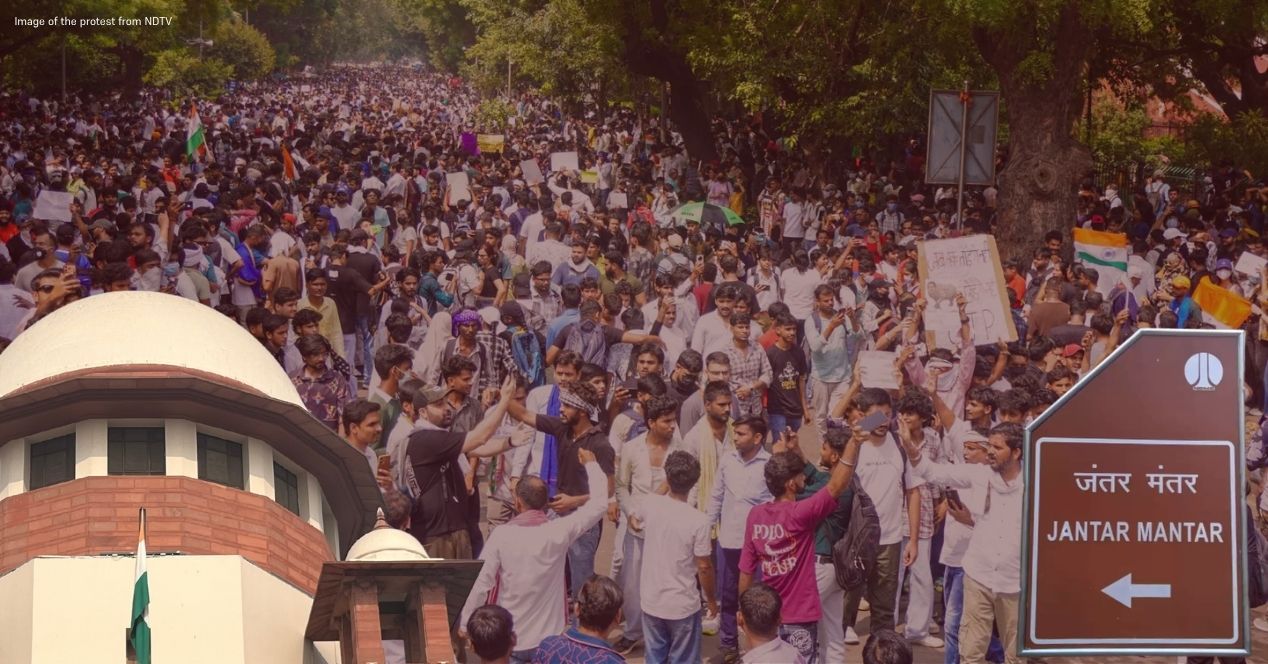
Today, a Bench of Chief Justice Surya Kant and Justices Joymalya Bagchi and V. Mohana said the High-Powered Enquiry Committee (HPEC) examining allegations of police excesses during the student protest at Jantar Mantar would function under the direct supervision of the Supreme Court and report directly to it. The Bench said vulnerable witnesses could approach the HPEC’s Secretary directly and asked the HPEC to consider a dedicated helpline for those unable to approach it.
HPEC to invite public submissions
Solicitor General Tushar Mehta told the Court that the HPEC had held its first meeting on August 18 and would meet next on 15 September. He said that the Union had provided the office premises and staff directed by the Court.
Senior Advocate Gopal Sankaranarayan sought a separate amicus and Advocate-on-Record for the HPEC, saying that it had to function independently and could not be represented through government counsel. The Bench said that the HPEC would communicate and send its reports directly to the Court. The HPEC could make a request to the Court if it required an amicus.
The Bench rejected suggestions to alter the composition of the HPEC. Advocate Prashant Bhushan raised concerns about a possible conflict of interest involving one of its members. Justice Bagchi said the Court would consider the reservation, but would not accept a presumption of bias against a committee headed by a former Supreme Court judge and constituted by the Court. The Bench said the HPEC was intended to assist the Court and that its work would remain subject to the Bench’s scrutiny. “We are not going anywhere. Everything will come back here,” it said, adding that parties could bring to its notice any instance of the HPEC ignoring material or proceeding incorrectly. Justice Bagchi added the HPEC would follow a procedure akin to Section 6 of the Commissions of Inquiry Act, 1952. The CJI said it would issue a public notice inviting people to submit their views, information, documents and evidence. He further observed that the Member Secretary would act as custodian of the record and place the material before the HPEC.
Court sought safeguards for vulnerable witnesses
The question of access to the HPEC arose when counsel said vulnerable petitioners and witnesses were reluctant to come forward because of the risk of their identities being disclosed, as material passed through different chambers and nodal officers. Counsel said women who had faced gender violence were especially hesitant to approach the process. She referred to the case of a 14-year-old girl who had participated in the protests. The Bench was told that a counter-FIR had been registered against her while those accused of assaulting and intimidating her remained at large, adding that the girl’s family had faced intimidation and that there was video evidence of stone-pelting at their residence. The CJI said, “Such matters cannot be taken lightly.” Counsel said the HPEC would take time to complete its inquiry and that if anything happened to the child in the meantime, it “cannot subsequently be reversed or repaired through the Committee.”
The CJI said a person who was a victim or otherwise associated with the matter could provide information without their identity being disclosed. The Bench said the protection available to vulnerable witnesses should not be below the standard followed in judicial proceedings. Counsel also sought a dedicated nodal counsel for vulnerable victims. The Bench instead said they could submit their applications, documents or memoranda directly to the HPEC’s Secretary. “There should not be any gap in accessibility between the Committee and the witnesses,” it said. The Bench also asked the HPEC to consider including a dedicated helpline in its public notice for witnesses who were unable to approach the panel or faced particular difficulties.
Senior Advocate Vrinda Grover said technology could be used to preserve confidentiality, pointing to the vulnerable witness guidelines that provide mechanisms for recording evidence while protecting identities. Counsel also suggested an online portal for people across the country to submit complaints and material without appearing physically. The Bench left it to the HPEC to decide whether to establish one.
Pellet guns, protester data issues remained
Senior Advocate Menaka Guruswamy said certain constitutional questions identified in the Court’s earlier orders were separate from the HPEC’s inquiry. One concerned whether pellet guns should be used at all. She further referred to a separate petition concerning the use by Delhi Police of private companies, vehicles and equipment to collect and store data relating to protesters. She said there was no known statutory framework governing the collection, storage or handling of such data by private entities. Mehta agreed to file a common counter-affidavit.
Counsel pointed out that the constitutionality of the data-collection process could not be decided by a fact-finding body. The Bench said parties could place their material before the HPEC, while the constitutional questions would remain for the Court to consider.
Related articles

Analysis
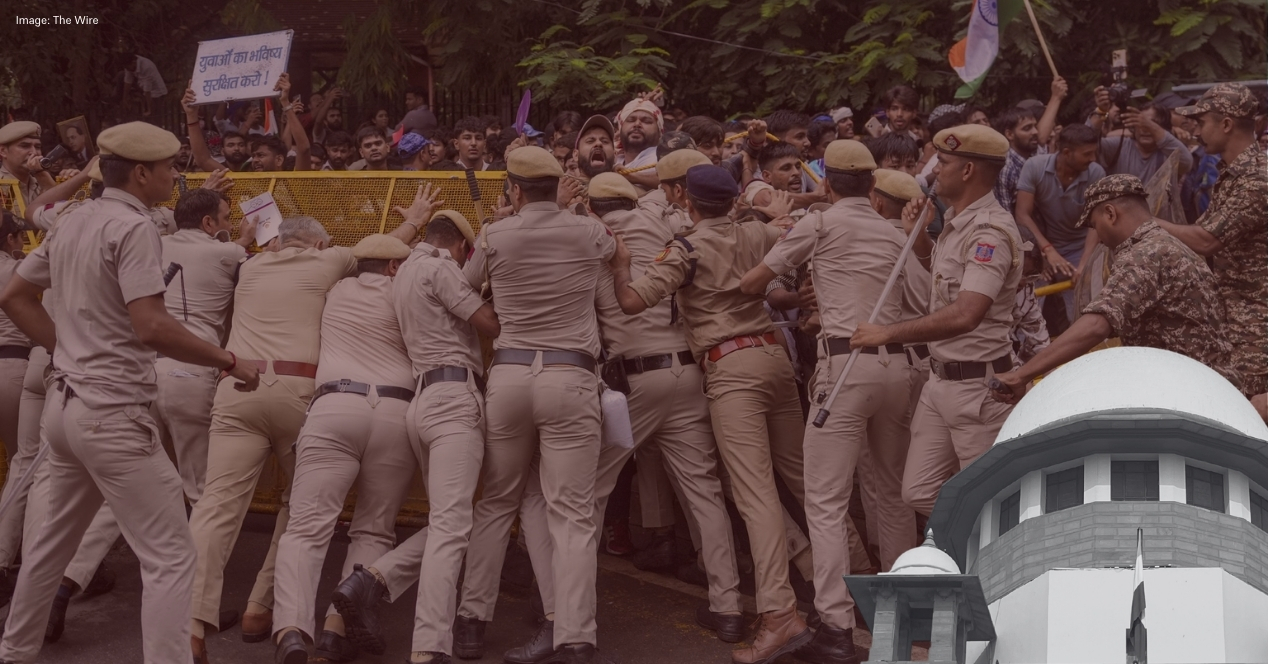
SC hears challenge on use of metallic pellet guns on student protesters
The Court asked petitioners to amend their plea for guidelines on metallic pellet guns and directed treatment for injured students.
Analysis
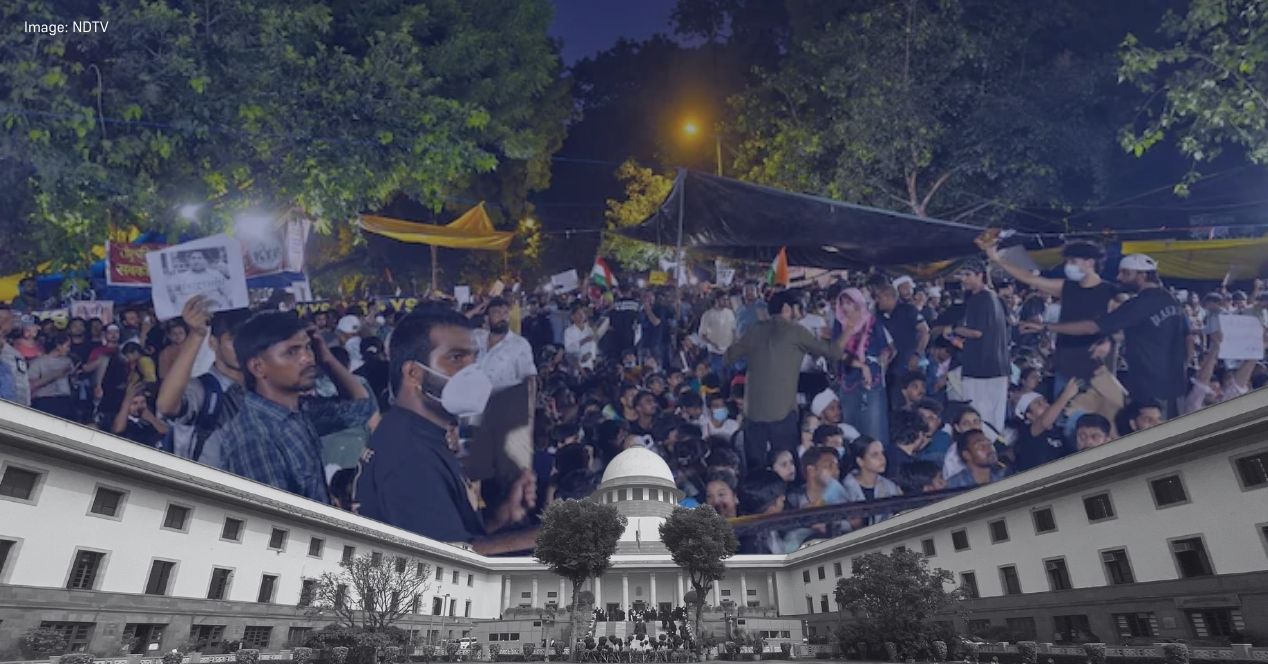
SC quashes Jantar Mantar protest FIRs across India, permits fresh FIR against 2873
CJI said the order would provide a “healing balm” to protesters while preserving the State’s right to prosecute alleged offenders
Analysis
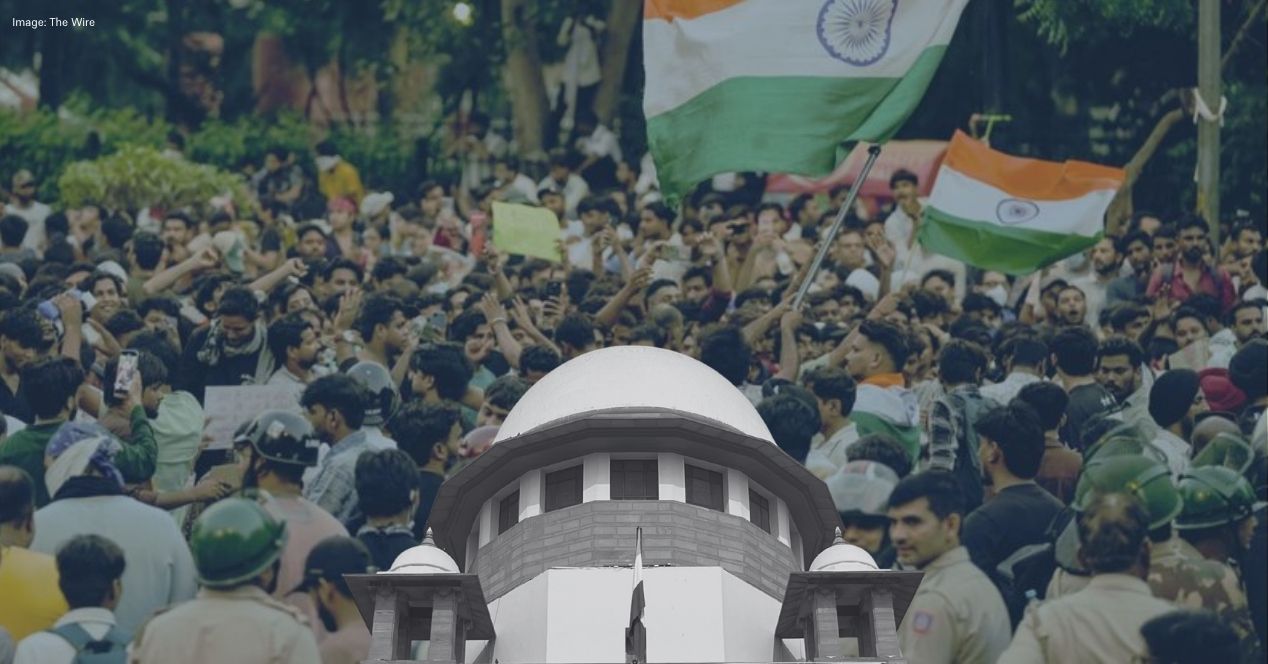
SC says Jantar Mantar protest FIRs cannot define students’ futures
The Court said Article 142 can clear FIRs involving students, cases against those accused of grave offences will continue separately
Analysis
SC to hear plea challenging composition of Jantar Mantar protest inquiry committee
Petitioners flagged a “common concern” over the committee as SG Mehta described the application “very mischievous”