


Analysis
“You cannot occupy a site for all times”: SC weighs right to protest against livelihood
Traders sought a pause in protests as the Court questioned surveillance and heard allegations of police excesses against journalists.

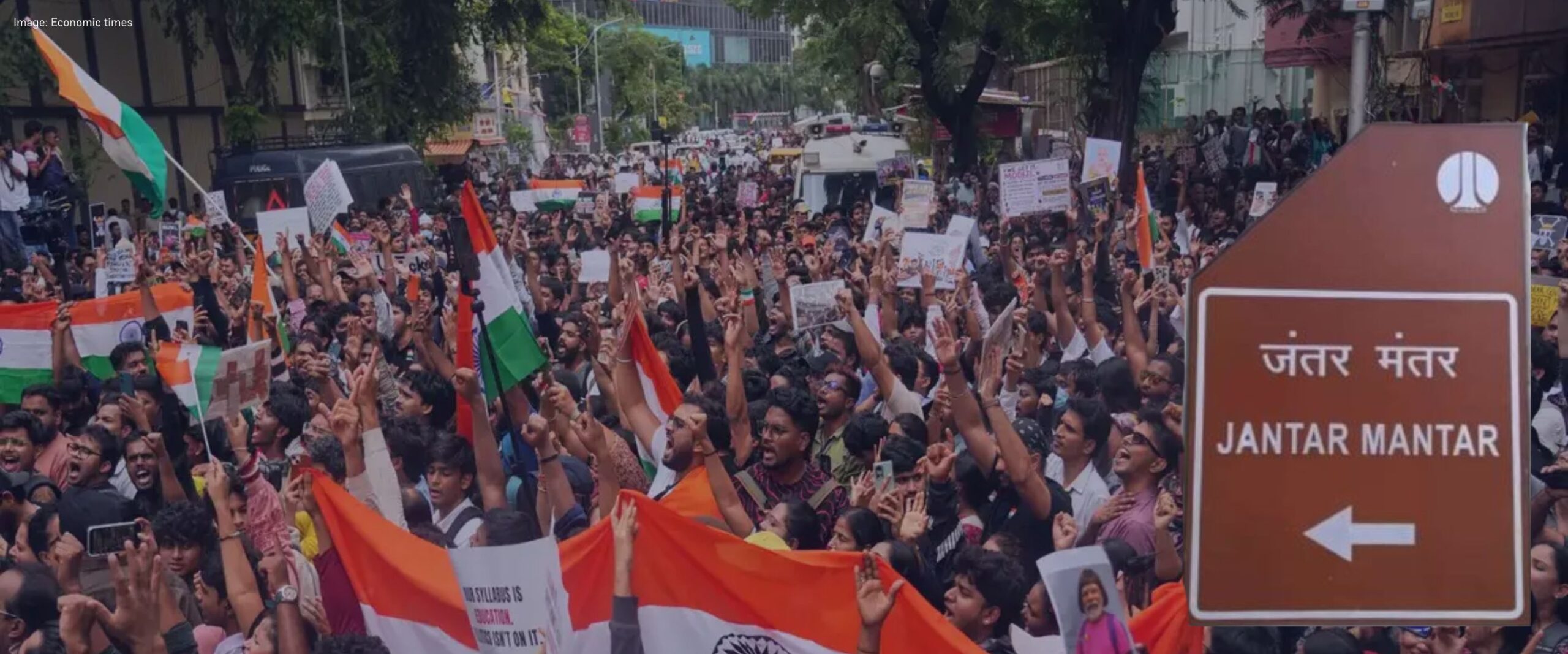
Today, the Supreme Court witnessed another chaotic hearing over the Delhi protests matter as counsel repeatedly interrupted each other. The Bench led by Chief Justice Surya Kant struggled to maintain order with the Chief remarking: “Why are you treating court like a fish market?”. Senior Advocate Gopal Sankaranarayanan, who withdrew from appearing in the matter citing concerns over courtroom decorum appeared for other parties, only to be interrupted repeatedly with his microphone being snatched away during the hearing.
Bench: “Everyone has a right to protest”
Trader associations in Delhi, represented by Senior Advocate Mukul Rohatgi argued that the Delhi protests had affected businesses and livelihoods. Rohatgi submitted that shops in Connaught Place had suffered substantial losses during the festive season as they remained closed. He suggested an “out of the box” solution that protests should not be permitted for the next two months. The Bench inquired whether there was a link between the demonstrations and the decline in sales prompting Senior Advocate Arundhati Katju to ask: “Can lack of sales be attributed only to protests?” Rohatgi maintained that traders were bearing the consequences, submitting, “Our people are bleeding.”
CJI Surya Kant observed that the right to protest does not mean that a designated site is occupied indefinitely. He added that a designated time must be given for a designated period, asking where other groups such as farmers, journalists and workers would go to demonstrate. The Bench observed that the right to protest had to be balanced against the right to trade and earn a livelihood, particularly that of daily-wage workers.
Solicitor General Tushar Mehta added that Jantar Mantar could not be occupied indefinitely as it was a public road and not a site thatHe added that protestors cannot be permitted to march to Parliament or the Supreme Court without permission.
Senior Advocate N. Hariharan argued that the authorities at Ramlila Maidan had objected to demonstrations despite it being a designated protest site. He insinuated that there would be no place to protest if both Jantar Mantar and Ramlila Maidan are restricted. Senior Advocate Menaka Guruswamy argued against the alleged police excess during the protests. Referring to the 7000 detentions, she asked: “Are we not bleeding then as a democracy?” Mehta responded that the protesters had been removed rather than detained.
The Bench said that authorities could not prevent protests altogether and that any order granting or refusing permission had to be reasoned in an order. CJI Surya Kant asked the petitioners to implead the organisations that had organised the demonstrations, observing that the Court could not determine the issues without hearing them. During the July protests over the NEET leaks, the Court had briefly heard submissions from the representatives of the Cockroach Janta Party, one of the organisers, before exercising its jurisdiction under Article 142 to quash all FIRs in the matter.
What is the legal framework for facial recognition surveillance?
One of the petitions before the Bench sought to challenge the surveillance of protesters through CCTV cameras and facial recognition technology. This is also one of the issues pending before the Supreme Court in the matters connected to the July NEET protests. Advocate Prashant Bhushan sought disclosure of the surveillance being carried out during the demonstrations and the legal framework governing the collection and use of the data. Mehta questioned how the right to privacy could be invoked when a person was protesting in a public place.
Justice Bagchi questioned the legal basis for using CCTV footage for surveillance, asking, “When I am standing in a public place, what’s my reasonable expectation?” Mehta asked why the petitioners were specifically objecting to government surveillance when hundreds of “influencers” were recording the protests. The Bench, however, focused on how the State used the collected data for identification and further investigation, and issued notice on the petition.
Women journalists’ plea to be heard separately
Senior Advocate Indira Jaising reiterated her plea for a Special Investigation Team (SIT) to probe allegations of sexual violence against women journalists during the protests. She said she had submitted the names of proposed members in a sealed cover and sought a separate investigation. The CJI said the Court had deferred its decision at the previous hearing to give the respondents an opportunity to respond. With the Union’s counter affidavit now filed, the Bench directed that a copy be provided to the petitioners’ nodal counsel and listed the plea for 23 November.
Court divides petitions into nine categories
The Bench identified nine categories of issues across the connected petitions and directed parties to submit the proposed sequence and time required for arguments. It asked the Registry not to register fresh petitions unless the Advocate-on-Record certified that they raised entirely new and distinct issues. Guruswamy argued that the habeas corpus petitions could not be treated as infructuous merely because the detainees had been released, while Mehta maintained that they had become infructuous. The CJI directed the parties to complete their responses and pleadings. The Bench also took note of allegations that internet restrictions had disrupted lawyers’ access to courts and that advocates had been detained while leaving their chambers.
Related articles

Channel
Protests against the Chief Election Commissioner
In the recent weeks, protests have swept India on the demand for resignation of the Chief Election Commissioner Gyanesh Kumar
Analysis
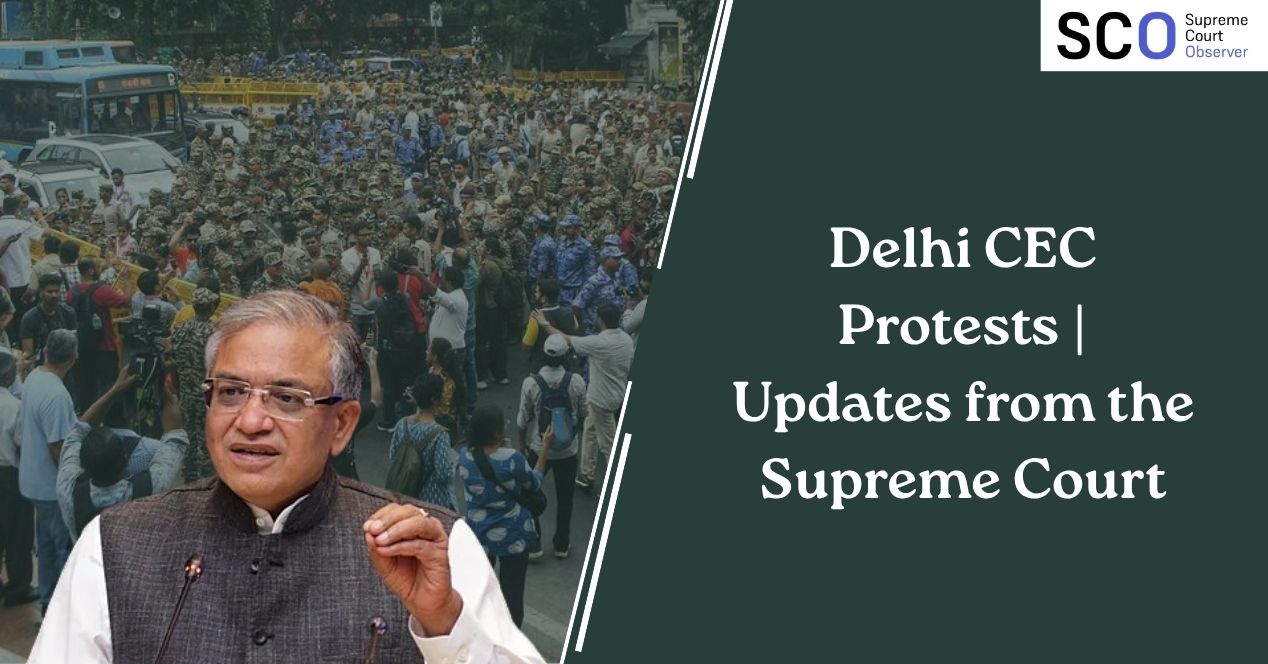
Delhi CEC protests | SC seeks police orders, considers plea for women-led committee
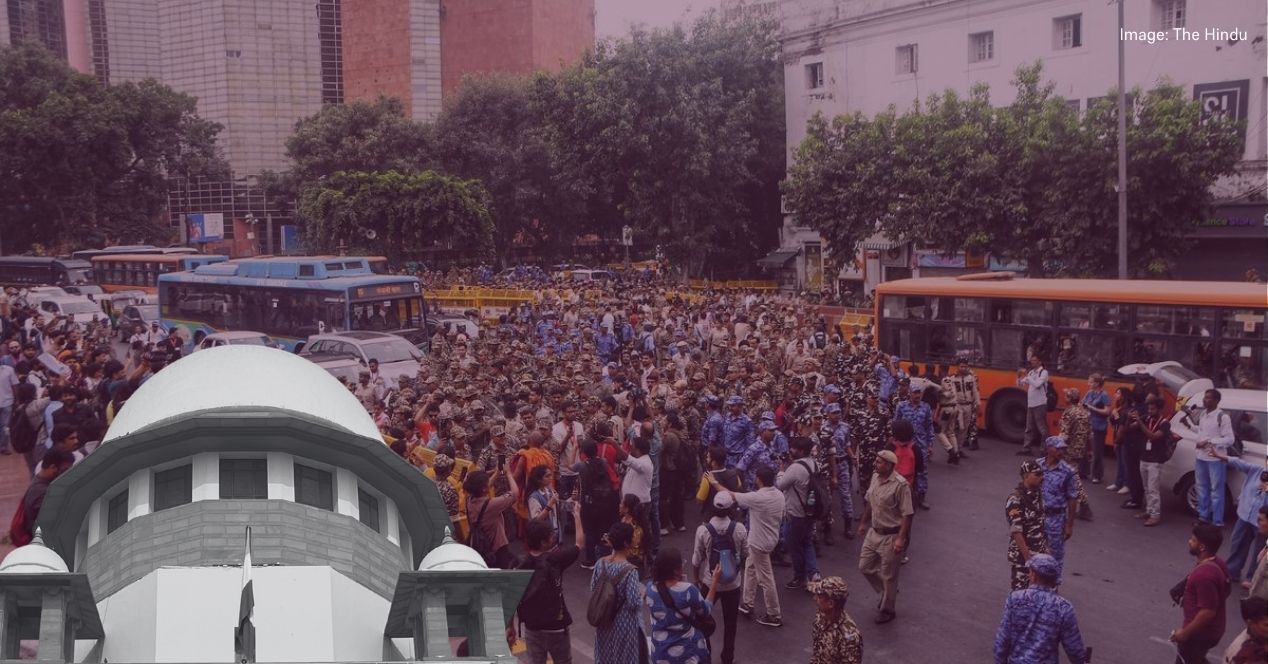
The Bench declined immediate restoration of Jantar Mantar as a protest site and sought State responses on 46 related petitions
Analysis
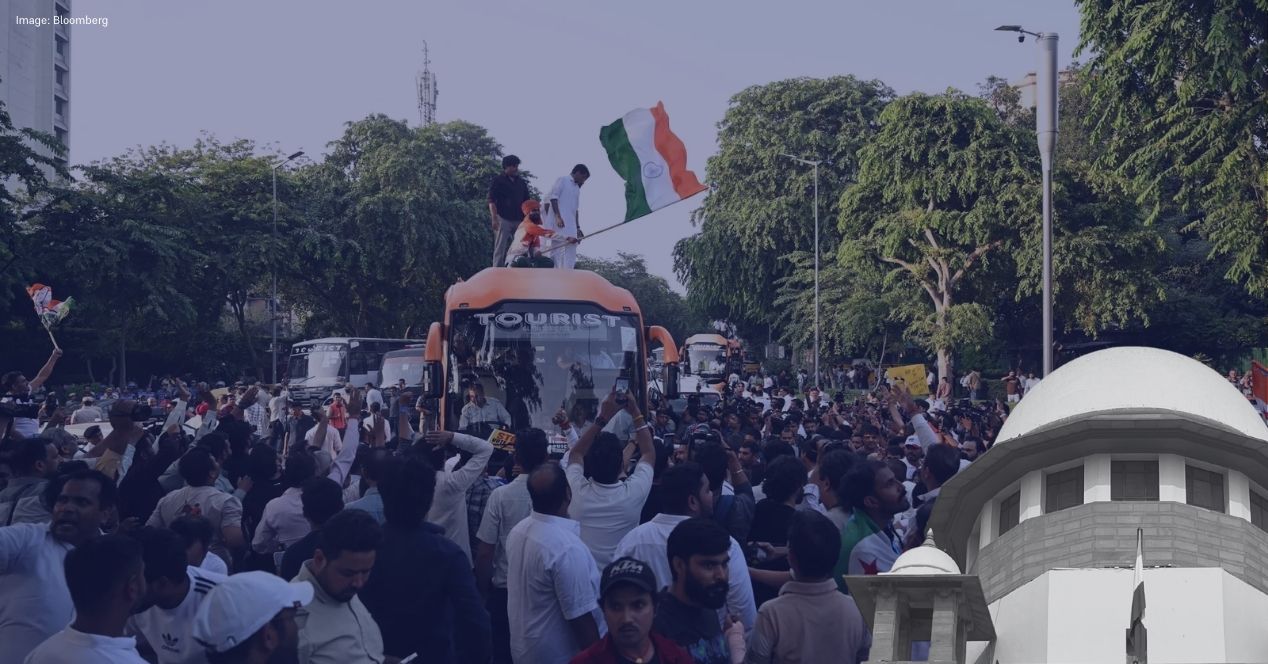
Delhi protests: No immediate relief on contempt and Habeas Corpus petitions
The Supreme Court directed restoration of services in New Delhi and will hear compliance reports from State authorities on Tuesday

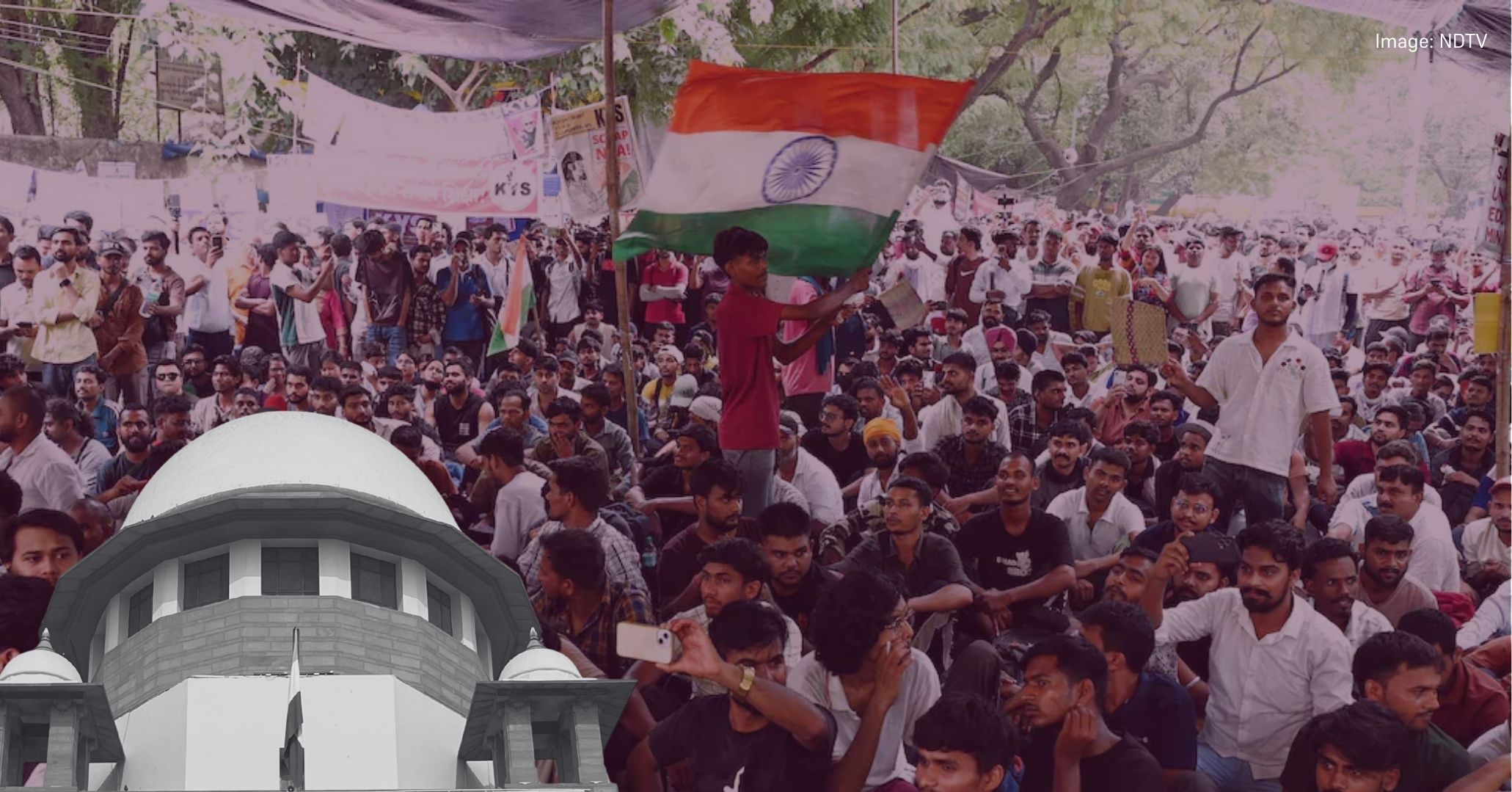
Analysis
SC asks authorities to “regulate” metro, train services ahead of CJP protest
The Bench ruled out a complete Metro shutdown and directed authorities to issue a traffic advisory