


Analysis
Afghanistan: The Taliban’s authoritarian project takes root
As countries accommodate the regime, its mix of decree, doctrine & custom posing as ‘constitutional order’ is becoming harder to contest
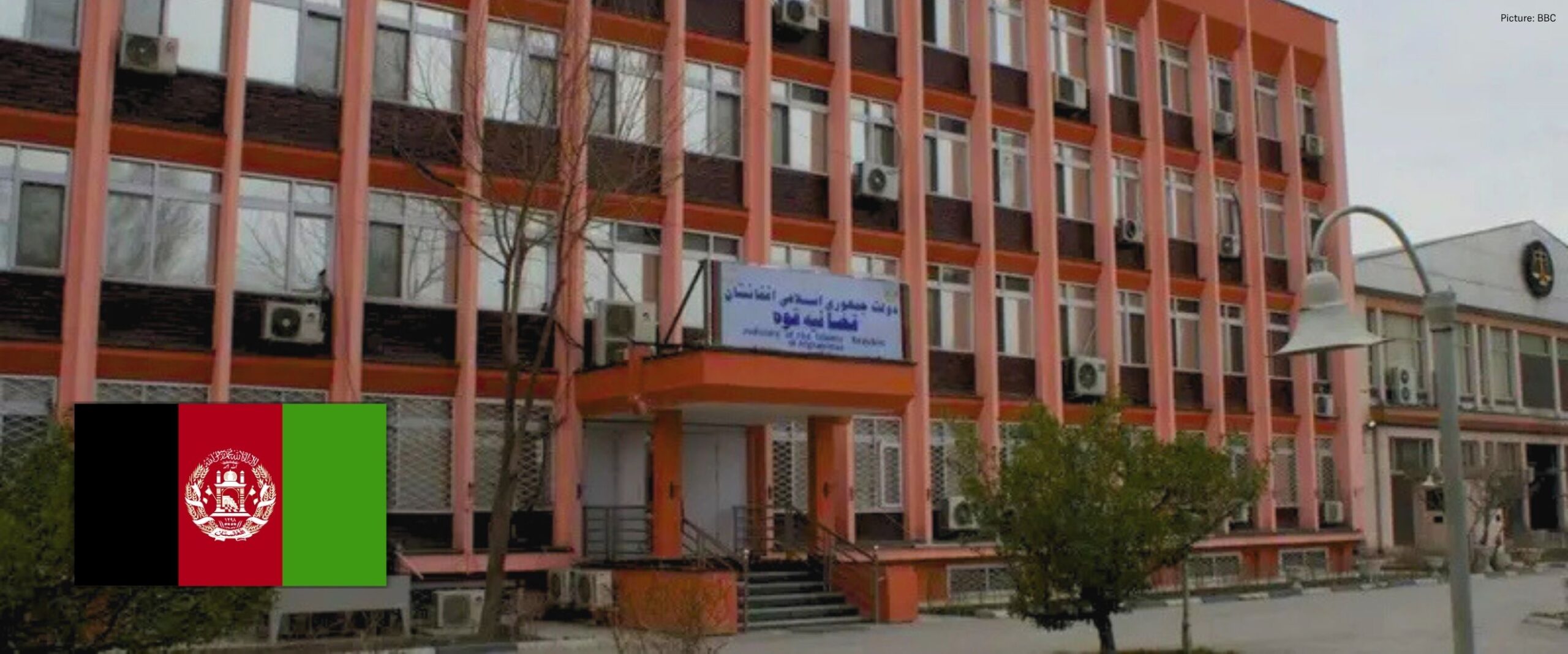
Afghanistan does not have a constitution in the conventional sense. The 2004 Constitution attempted to build a constrained, rights-based order; it failed well before the Taliban arrived. What has replaced it is not a return to disorder but the construction of something more deliberate.
Since the Taliban seized power in August 2021, the country has been governed through a layered arrangement of decree, doctrine and custom. The orders of the Amir (the ‘Supreme Leader’) sit at the apex. Hanafi jurisprudence provides the interpretive framework. Selective elements of the 1964 Constitution fill administrative gaps, while Pashtunwali norms shape everyday governance in ways no written text fully captures. No single document anchors this order, no founding moment marks its origin. Yet it is a constitutional order nonetheless, one that moved decisively from improvisation to institutionalisation in 2025.
The discriminations of criminal law
The most significant marker of this shift came in early January 2026, when Taliban leader Hibatullah Akhundzada signed the “Criminal Procedure Code for Courts,” a 119-article document that took effect immediately without public consultation. It was made public only weeks later, after Rawadari, an Afghan human rights organisation, obtained and published the Pashto text. Formally procedural, the document’s stated function is to regulate judicial authority and the application of discretionary punishment.
Its constitutional significance runs deeper. By anchoring the entire legal system in the decrees of the Amir and mandating obedience to reportedly over 200 existing orders, many of which target women and minorities, the Code makes explicit what was previously implicit about the locus of ultimate legal authority. It deploys the Hanafi doctrine of ta’zir (discretionary punishment) as its central mechanism, granting judges broad power to impose penalties ranging from fines to execution based on the accused’s status and condition. A religious scholar who offends receives advice. The same offence committed by someone of lower social standing may attract imprisonment or worse.
Among the Code’s most striking provisions is its authorisation of what rights groups describe as discretionary execution for eleven categories of people, including political opponents, those accused of sorcery and those deemed to hold beliefs contrary to Islam. Husbands may physically discipline wives, with criminal liability arising only if the beating causes visible injury such as a wound or bruising, and with the burden of proving injury falling on the woman.
A genuine interpretive dispute exists about how to read this document. Some analysts contend that alarmist international coverage overstates what the statutory language establishes, and that the Code expands judicial discretion rather than creating new offences. That may be technically correct. However: in a system where judges are appointed by the Amir, answer to the Amir, and apply doctrine as the Amir interprets it, expanding judicial discretion is expanding the Amir’s power. The procedural frame is the substantive reality.
Of virtue and vice
If the Criminal Procedure Code represents the formalisation of the Taliban’s legal order, the enforcement of the Virtue and Vice Law through 2025 represents its reach into everyday life. Enacted in August 2024, the law consolidated prior decrees into a single instrument governing personal conduct, dress, movement, speech and religious observance. Women can be punished for speaking audibly outside their homes. Men must maintain beards of a prescribed length. Music, certain hairstyles and befriending nonbelievers are all prohibited.
What elevates this from mere repression to constitutional significance is the enforcement architecture it creates. Operating outside the formal judicial system, the morality police can detain and punish on suspicion alone, without evidence, without a hearing and without any formal avenue of appeal. The law effectively established a parallel enforcement structure that bypasses the courts entirely. Where the Criminal Procedure Code formalises judicial power, the Virtue and Vice apparatus occupies the space beyond it. Together, they form the two arms of the Taliban’s constitutional project: codification and extrajudicial control, working in tandem.
No more ‘acting’
Perhaps the most symbolically revealing development came on 15 August 2025, the fourth anniversary of the takeover, when Akhundzada decreed that all ministers and officials must stop using the words “acting,” “interim,” or “caretaker” in their titles. Since September 2021, the Taliban had described its government as a caretaker arrangement. That language served a double function, keeping open the possibility of a more inclusive political settlement while giving foreign governments a basis for engagement on the understanding that they were talking to a transitional authority rather than endorsing a permanent regime.
The August 2025 decree closed that door. No inclusive constitution-drafting process will follow. No parliament will convene. No elections will be held. In a system where the Amir’s decree functions as the highest source of law, the instruction to drop “acting” is itself a constitutional act, with the Amir declaring, through the only mechanism his order recognises, that the order is permanent.
Bleak prospects for constitutionalism
The challenge that constitutional law faces in Afghanistan at the end of 2025 is therefore not the absence of a constitution. It is the presence of one that is internally coherent, operationally functional and designed to resist the very idea of constraint. Domestically, the order is consolidating. Russia formally recognised the regime in July 2025, becoming the first country to do so. Several Central Asian states have followed with deepening diplomatic and economic engagement of their own. China maintains strategic and economic engagement. The regime is not collapsing; it is settling in.
On the international front, the pushback has intensified. The ICC issued arrest warrants for Akhundzada and Chief Justice Abdul Hakim Haqqani in July 2025 for the crime against humanity of gender persecution, while Australia, Canada, Germany and the Netherlands are pursuing a referral to the International Court of Justice under the Convention on the Elimination of All Forms of Discrimination Against Women (CEDAW). These actions, however, target the regime from outside a system that does not recognise their authority. The Taliban dismissed the ICC warrants as “nonsense.” If anything, the gap between Afghanistan’s domestic constitutional order and the international legal order continues to widen.
The honest assessment of constitutionalism’s prospects in Afghanistan is bleak. The Taliban’s constitutional project is not failing. It is succeeding on its own terms. The regime has built a legal order that concentrates authority, controls dissent, subordinates women and resists external accountability, all through instruments that carry the form of law. Constitutionalism in any meaningful sense—the idea that power should be limited by law, that rights inhere in persons, that governance requires consent—has no institutional foothold in Afghanistan today.
The international mechanisms now in motion, the ICC warrants, the CEDAW referral, the Human Rights Council resolutions, represent the only forums where the Taliban’s order faces challenges. Their force, though, depends on a degree of international consensus that simply does not exist. The States most willing to hold the Taliban to account are precisely those with the least leverage over it, while those with leverage have chosen accommodation. In that configuration, the prospects for constitutionalism in Afghanistan depend less on law than on geopolitics. Geopolitics, for now, favours the Amir.
Amal Sethi is an Assistant Professor (Lecturer) in Public Law at the University of Leicester, School of Law.
Related articles
Analysis
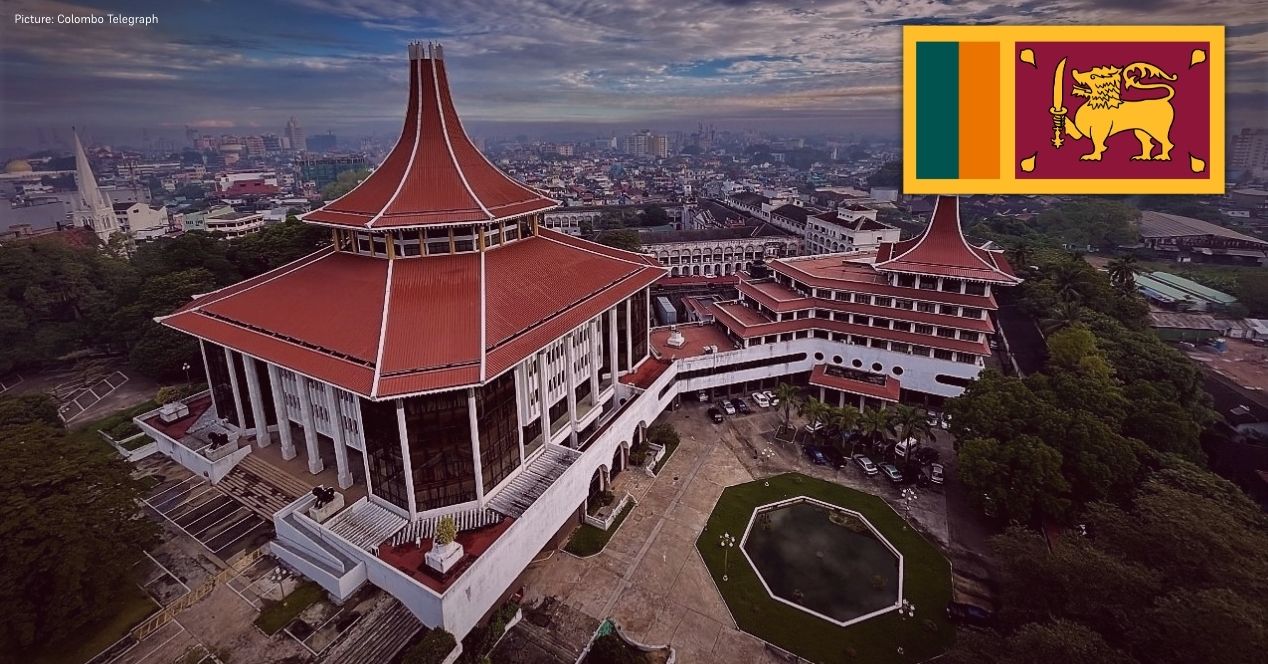
Sri Lanka: A long-delayed judicial check on emergency powers
A landmark ruling breaks with decades of judicial deference to the State’s ‘public security’ claims amid rights violations
Analysis
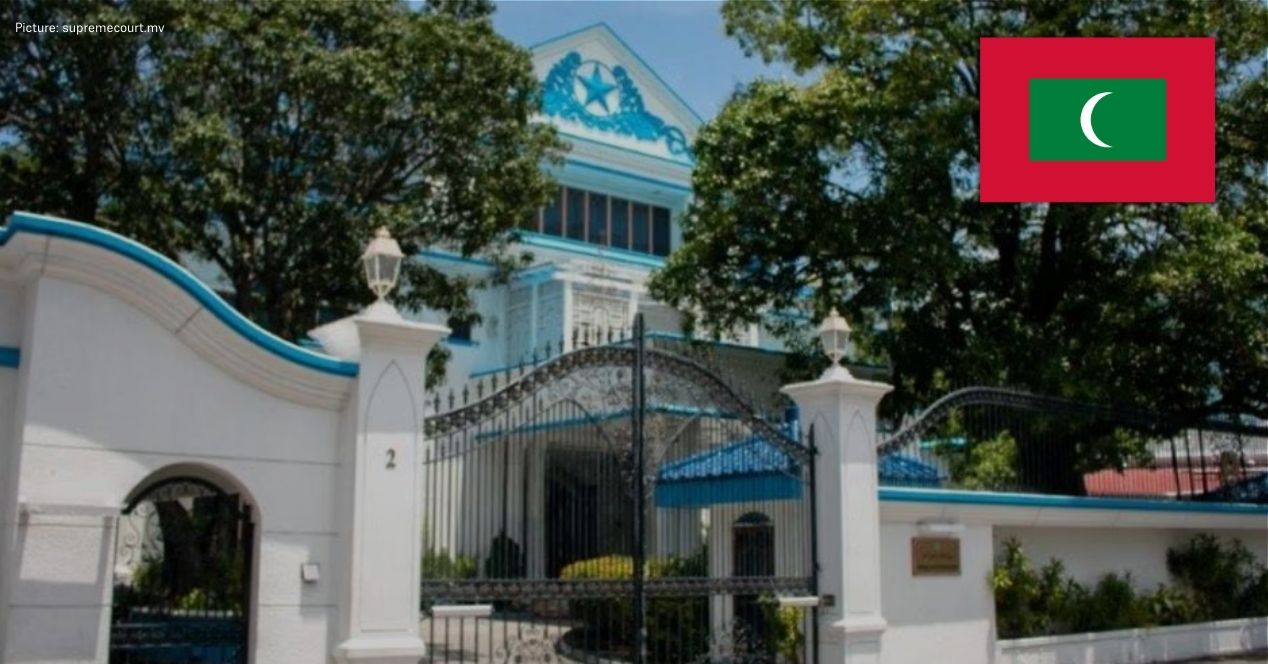
Maldives: Supermajority enables ‘rule by law’
An anti-defection law—followed by moves against independent commissions, the judiciary and the media—has hollowed out constitutional checks
Analysis
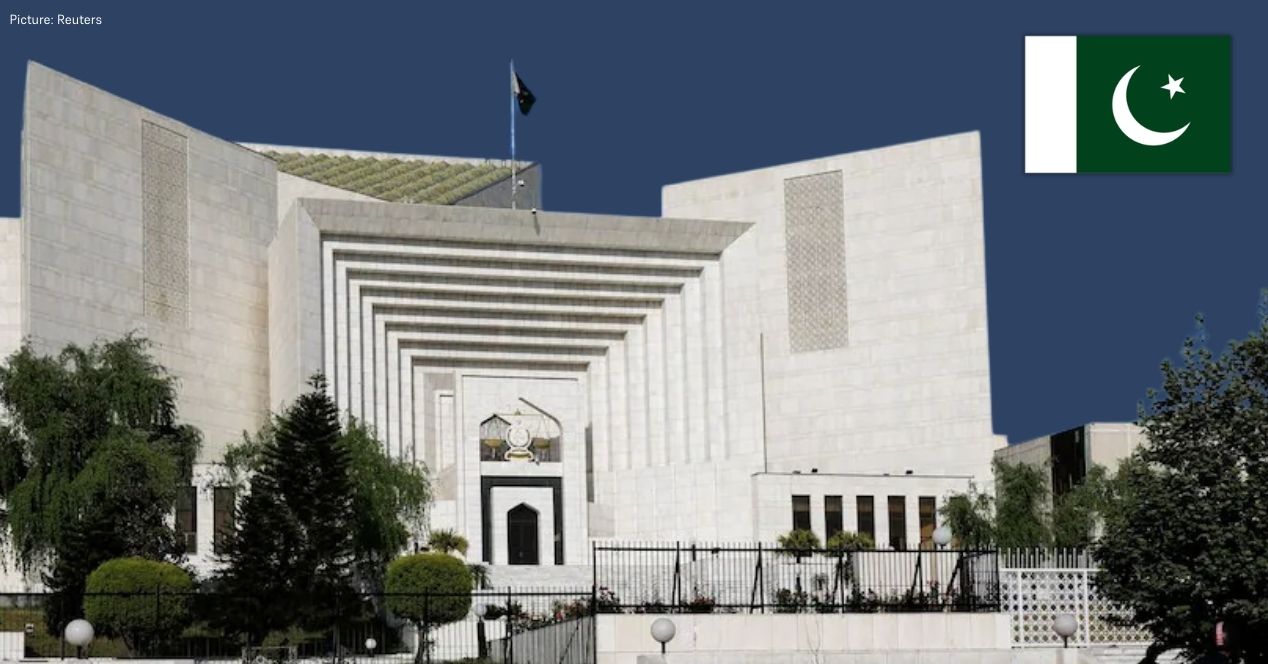
Pakistan: New court, old elite
Recent constitutional amendments have recalibrated the judicial role and entrenched the military’s influence on the political process
Analysis
Bhutan: Constitutional guarantees come up against resource constraints
Declining press freedom and two recent incidents highlight how institutional capacity continues to lag behind constitutional aspiration