


Analysis
Prof. MP Singh Memorial Panel | Highlights from the Courts and Constitution Conference 2026
Colleagues and mentees on the panel shared anecdotes and stories about the late jurist
Over 28 and 29 March 2026, the NALSAR University of Law, with the Law and Other Things (LAOT) blog and the BML Munjal University organised the 7th edition of the Courts and Constitution Conference at NALSAR University. The Conference hosted five panels on federalism and governors powers, the Special Intensive Revision (SIR) of electoral rolls, environmental law, policing and state violence, and a memorial panel for late Prof. M.P. Singh.
The Supreme Court Observer participated in the Conference as its media partner. In this report, we bring you key highlights from the memorial panel.
Moderated by Prof. Satya Prasoon, NALSAR University, the panel was composed of Dr. Pritam Baruah, Dean, School of Law, BML Munjal University; Prof. Sudhir Krishnaswamy, Vice-Chancellor, NLSIU; Prof. Philipp Dann, Humboldt University, Berlin; and Prof. Arun Thiruvengadam, NLSIU. Each panelist shared professional ties with Prof. Singh that predated and spanned his tenure as Vice-Chancellor of National University of Juridical Sciences (NUJS), Kolkata.
A different model of a professional academic
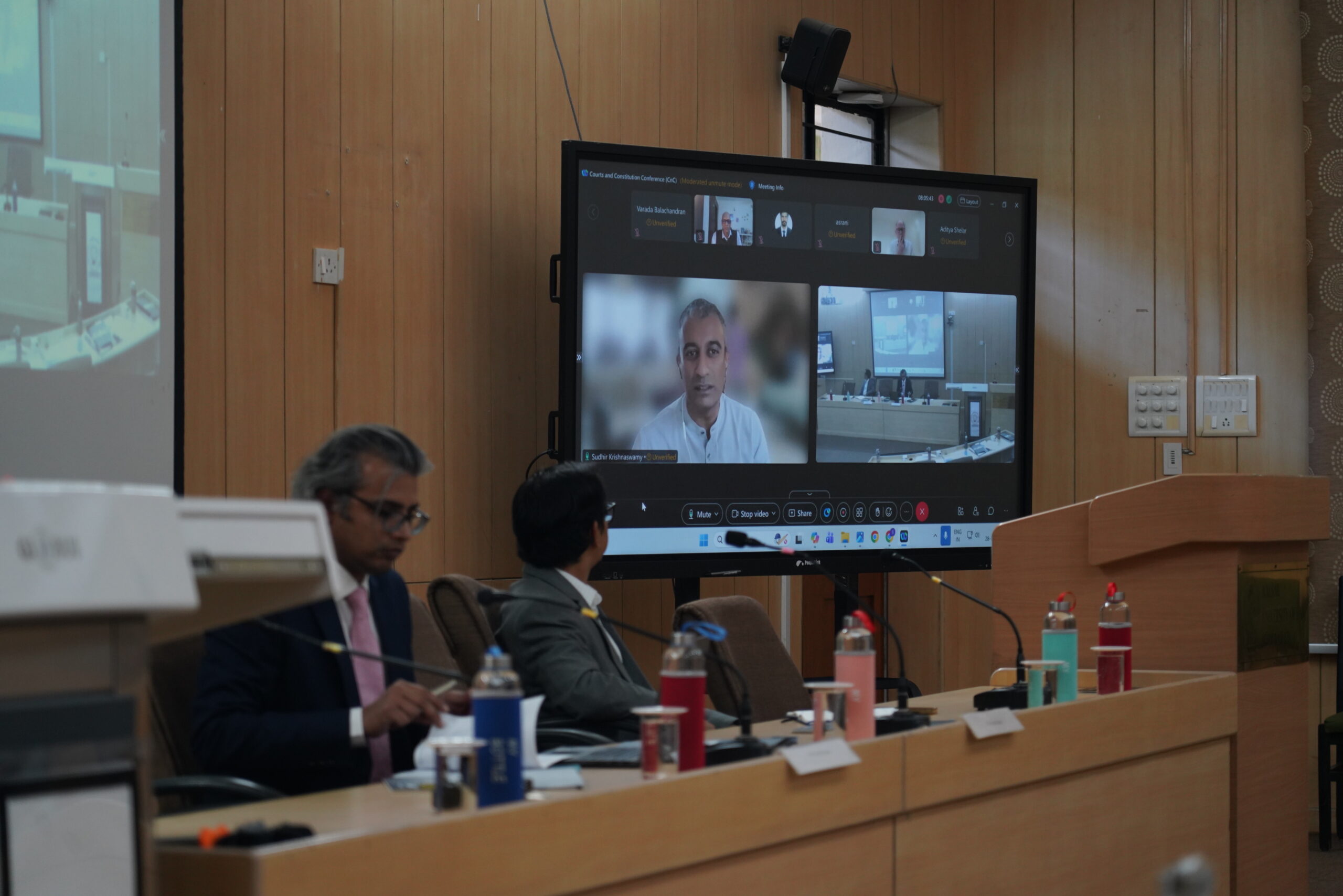
Prof. Krishnaswamy began by discussing Prof. Singh’s contribution to the V.N. Shukla’s ‘Constitution of India’. He stated that Singh nurtured the commentary to retain its utility. Describing Singh as a model early professional academic, he spoke of his “infinite patience” with faculty and students—a striking facet of his personality. Krishnaswamy recalled that Singh’s actions were never performative and that he consistently took risks on younger academics. Noting Singh’s socialist perspective, he explained that Singh’s socialism remained understated and distinct from typical Marxist or Communist academic traditions.
Launched deeper constitutional conversations
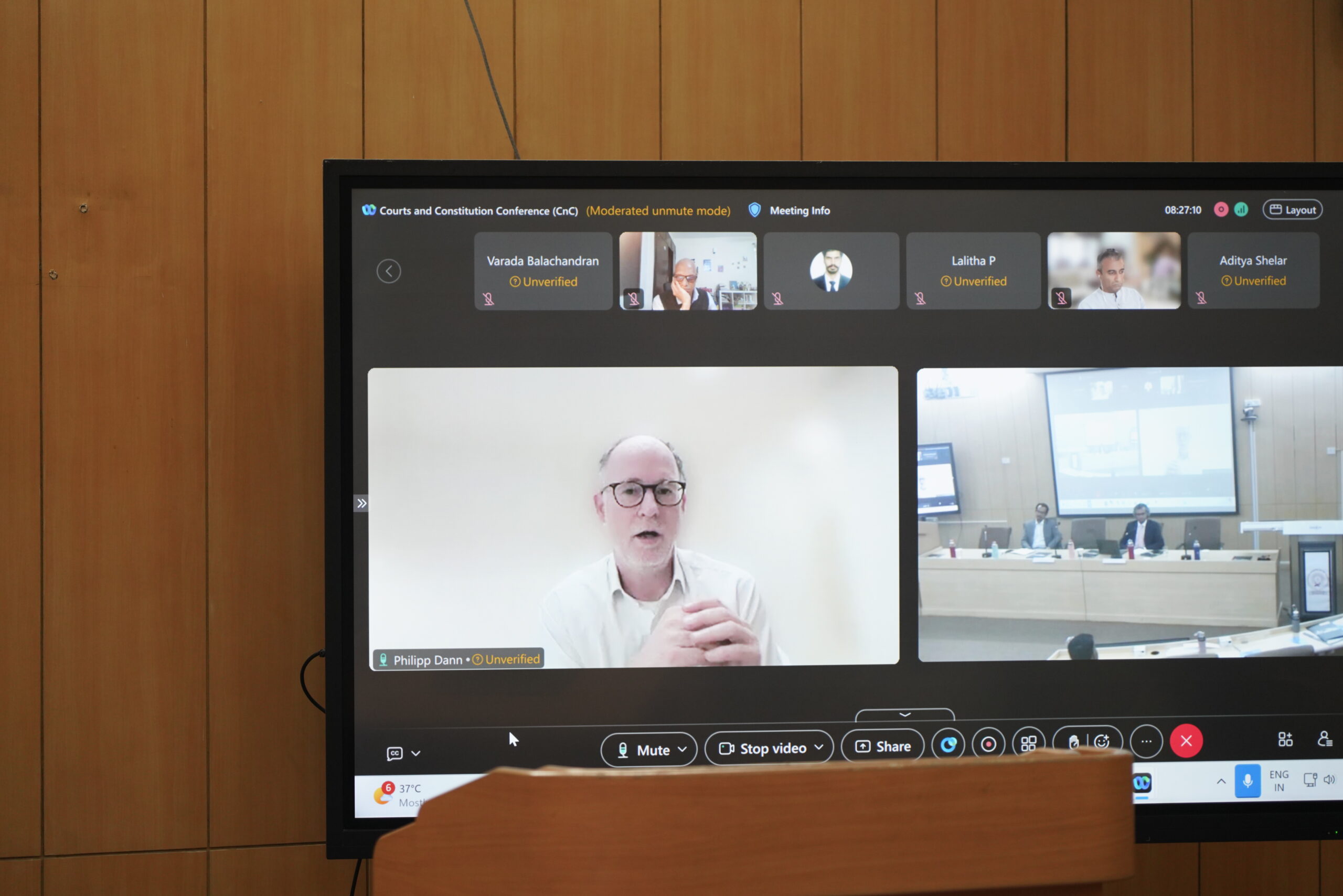
Prof. Dann focused on Singh’s contribution and interest in German law. He noted that Singh catalysed more than just comparative studies of common law systems and actively fostered “very serious and engaged conversations between constitutional law scholars.” Recalling how Singh invited him to teach European Union law at NUJS, Dann credited Singh for directing his focus toward federal constitutional policies.
Non-hierarchical in his work
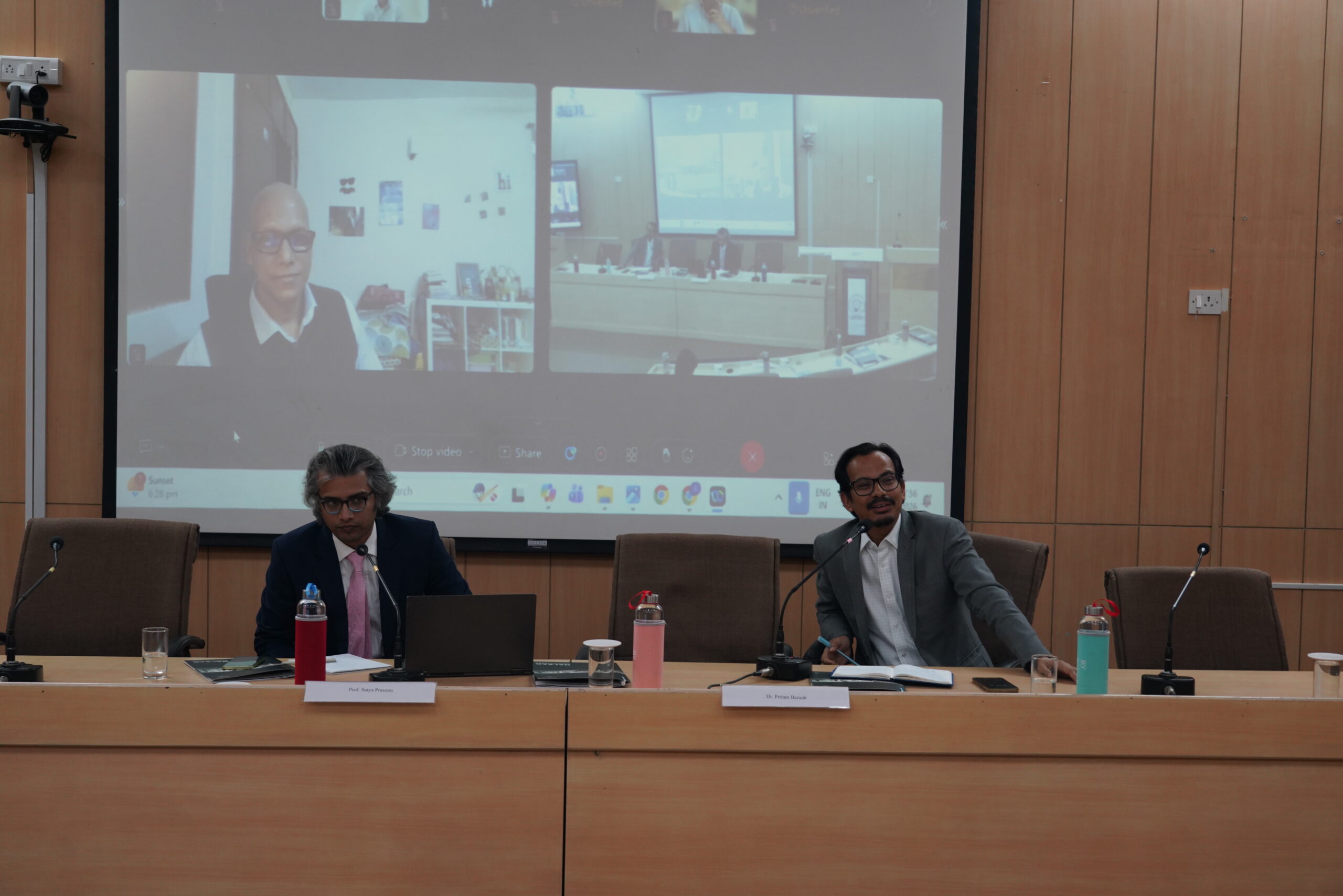
Prof. Thiruvengadam began by sharing an anecdote from October 2025, when Singh’s work was cited in a Constitution Bench judgement. He recalled Singh’s response to the news; a simple “Thank you”, followed by, “I am glad you are reading Supreme Court judgements closely.” Singh, he said, was non-hierarchical and met everyone at an equal level. Agreeing with Krishnaswamy, Thiruvengadam stated that Singh would often make a bold claim in his work. He concluded with a note that Singh was the bridge between the second and third generation law teachers.
A towering personality
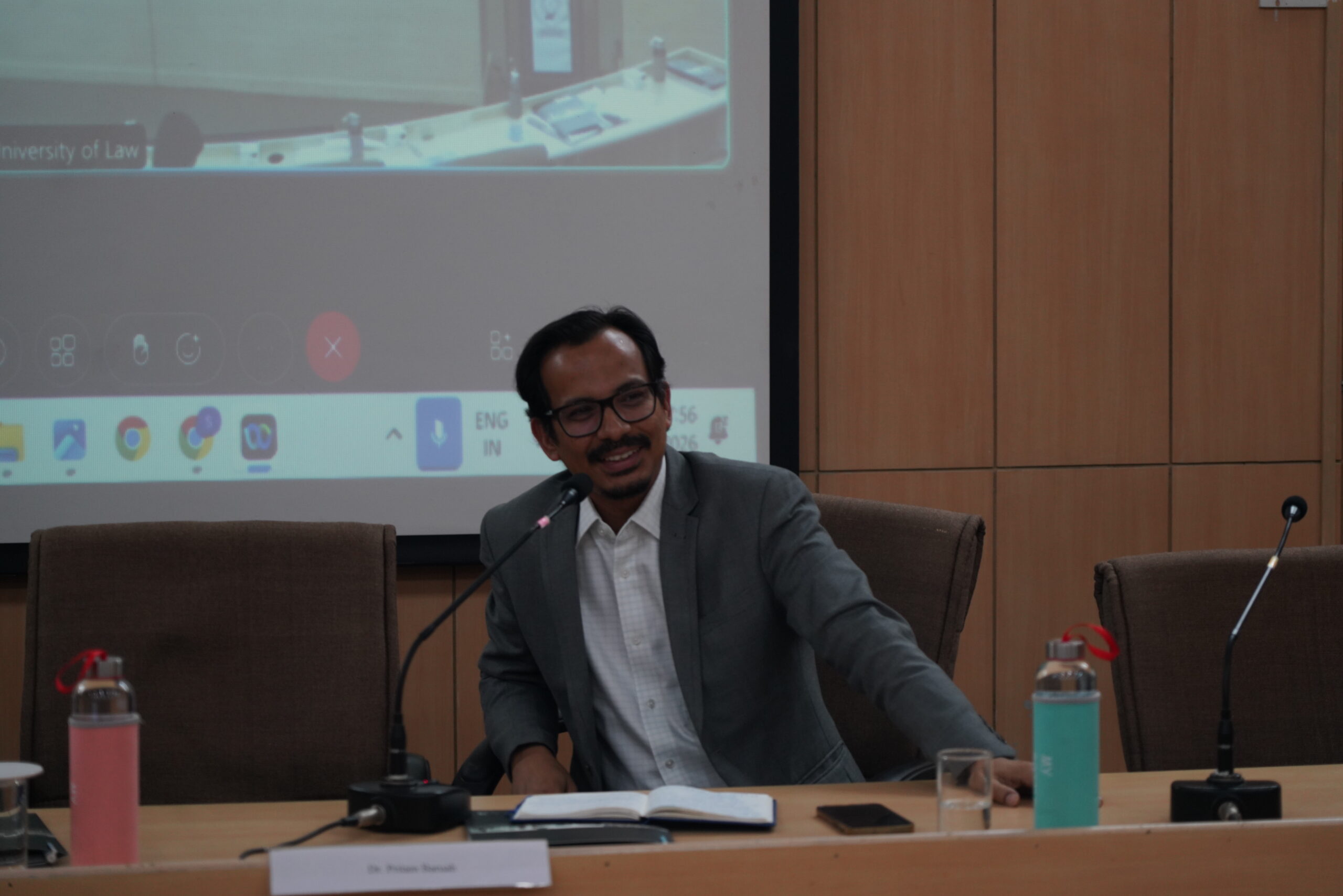
“Prof. Singh offered me my first academic position” began Prof. Baruah, recalling a visit to NUJS when he was still a practicing lawyer. He observed that Singh remained rooted and eager to learn, always recognising his own limitations. Baruah explained that Singh cultivated a space for deliberation by engaging everyone in conversation, most notably through weekly Wednesday seminars that he attended without fail. Singh participated in these forums freely, unconcerned with how others perceived his views.
Recalling a visit to Singh’s village, Baruah described him reading and writing at his three-roomed home where he lived with his wife. Though he initially viewed this as a “lonely existence,” Baruah later realised he was mistaken. Prof. M.P. Singh was happy and content, a man at home wherever he went.
Disclaimer: Prof. Pritam Baruah is a Trustee of the Legal Observer Trust, the entity under which SCO operates. Prof. Sudhir Krishnaswamy is the Founding Editor of the Supreme Court Observer
Related articles
Analysis
Special Intensive Revision of Electoral Rolls | Highlights from the Courts and Constitution Conference 2026
Four panellists closely scrutinised the ECI’s special intensive revision of electoral rolls; here’s what they said
Analysis
Adjudicating the Environmental Juristocracy | Highlights from the Courts and Constitution Conference 2026
Find out what the panel discussed on the recent interventions from the Court in matters of environmental conversation
Analysis
Gubernatorial Powers, Federalism and Institutional Balance | Highlights from the Courts and Constitution Conference 2026
The panel discussion revolved around the advisory opinion delivered in the aftermath of the Tamil Nadu Governor decision of April 2025
Channel
“The Supreme Court has done the right thing”: Dr. M.P. Singh on Article 370
In the wake of the Supreme Court’s judgement, SCO caught up with the constitutional law expert on the past and present of the federal scheme