


Analysis
SC hears challenge on use of metallic pellet guns on student protesters
The Court asked petitioners to amend their plea for guidelines on metallic pellet guns and directed treatment for injured students.
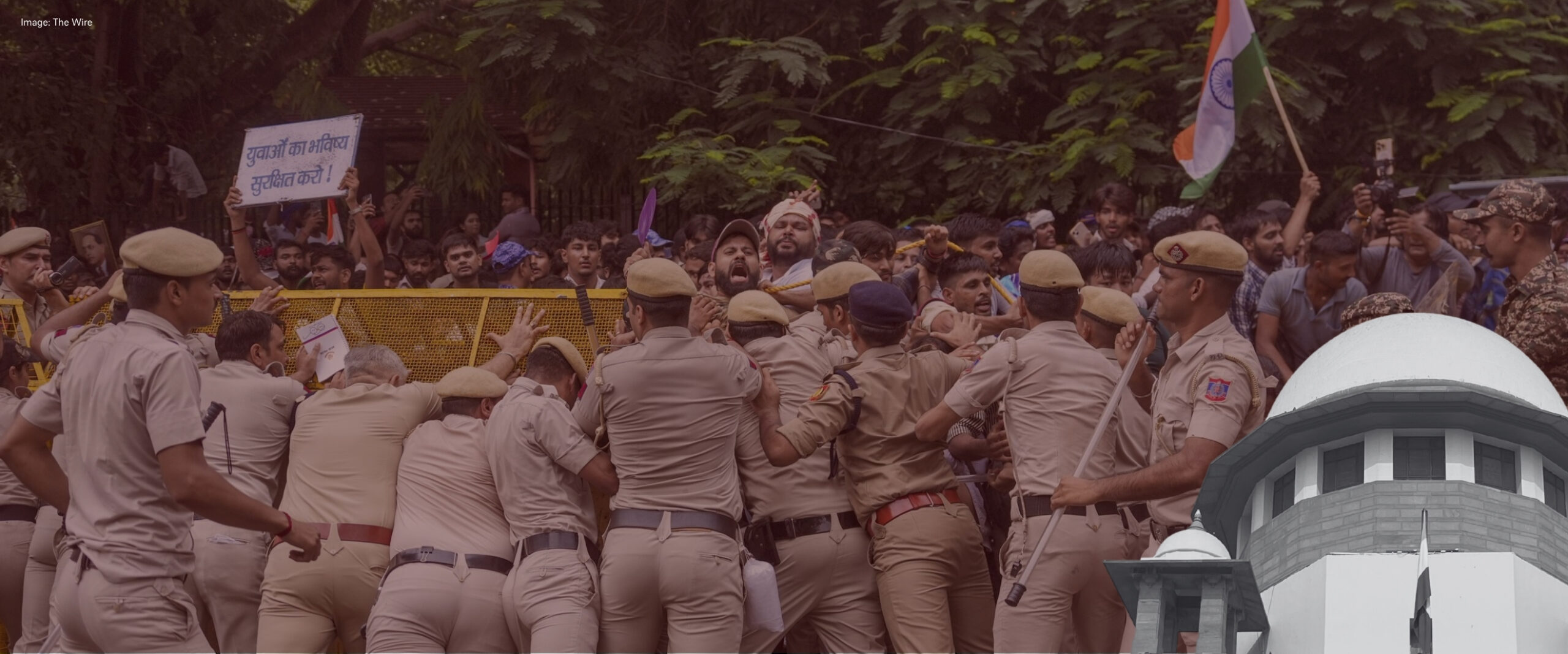
Today, a Bench of Chief Justice Surya Kant and Justices Joymalya Bagchi and V. Mohana considered a petition seeking a prohibition on the use of metallic pellet guns against civilians during protests. This comes three days after the Court directed preservation of CCTV footage, drone recordings, body worn camera footage and other electronic records during the student protests at Jantar Mantar. The Court had restrained coercive action against students and held that the allegations warranted an independent inquiry.
The present petition has been filed by two students who allegedly suffered metallic pellet injuries during the 20 July protests, along with former IPS officer Yashovardhan Azad.
Advocate Vrinda Grover, appearing for the petitioners, submitted, “There can be rubber, plastic and metallic pellets. These were metallic and recovered from the bodies. Was it a violent mob? No. These metallic pellets were fired,” she submitted. She argued that the use of such force depended on the nature of the assembly and the principles of necessity and proportionality.
Justice Bagchi observed that police regulations permitted the use of pellet guns as a crowd control measure under exceptional circumstances. If the petitioners sought a blanket prohibition, he observed, “You have to challenge the rules as ultra vires.” Grover clarified that her challenge was confined to the use of metallic pellets and not pellet guns as a class of weapons. Justice Bagchi responded, “We are not averse to examining use of pellets in an individual incident,” however, he added that, “You have to show us whether a graded response permits such use.”
The CJI suggested that the petitioners reformulate their prayer: “In light of the alleged excessive use, your prayer should be that this Court lays down a protocol regarding the use.” Solicitor General Tushar Mehta agreed that the issue would have to be examined in the context of the particular incident.
Bench favours protective gear over use of force
Grover further submitted that, to her knowledge, there was no standing order of the Delhi Police authorising the use of pellet guns during protests and requested the Union Government to place any such policy on record. “I am sure the Union or the NCT does not want to fire pellets at students,” she said.
Justice Bagchi agreed that peaceful student protests ought to be met with a non-violent policing approach, though exceptional situations could require a graded response. He observed that equipping police personnel with adequate protective gear would reduce the need to resort to force.
Court orders preservation of additional records
Grover informed the Court that one of the injured petitioners had not been provided his medical records despite being treated at Lady Hardinge Hospital. She also sought preservation of duty logs, weapon logs, ammunition logs and RAF deployment registers relating to the 20 July protests, pointing out that these records were not expressly covered by the Court’s earlier preservation order. Justice Bagchi asked Grover to furnish the petitioner’s medical details to the SG, who assured the Court that the records would be made available and all material necessary for the investigation would be preserved. Recording the statement, the Bench directed preservation of the additional records sought by the petitioners, including duty logs, weapon logs, ammunition logs and RAF deployment registers. The Court also directed the NCT Government of Delhi to ensure that necessary medical treatment is provided to the injured petitioners and other similarly placed persons.
Related articles
Analysis
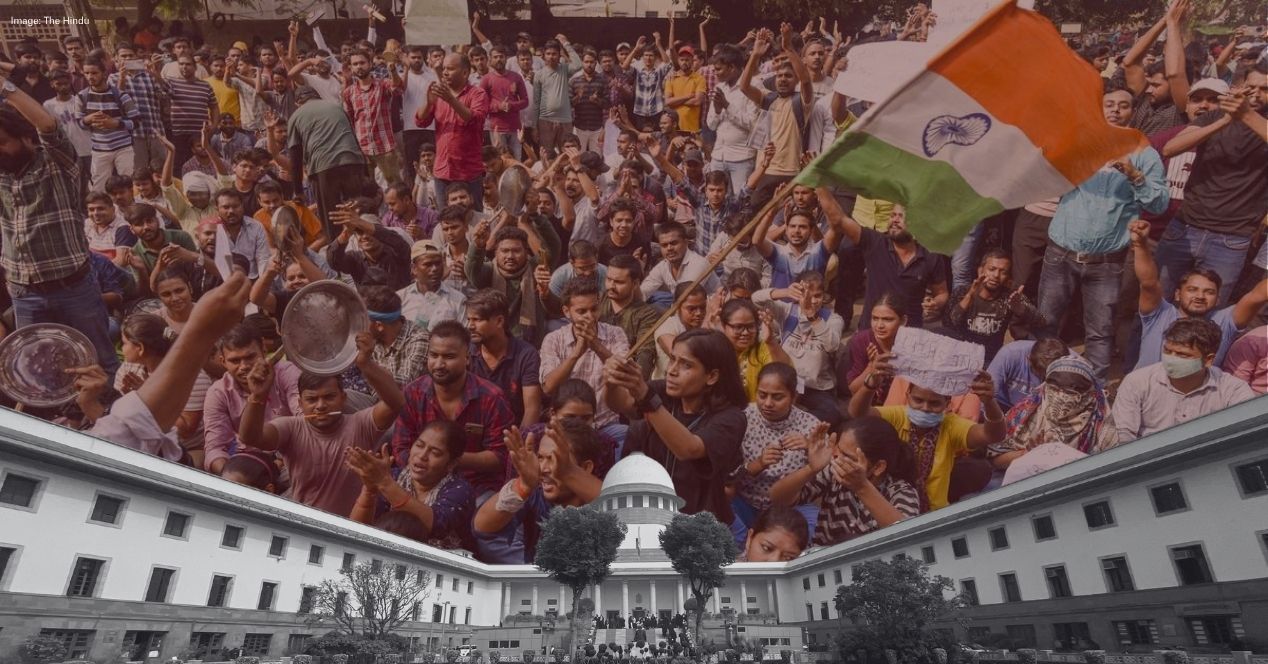
“Agitation cannot justify police excess”: SC on student protest crackdown
The Court said allegations of police excess must be independently examined and suggested a uniform protocol for handling public protests.
Analysis
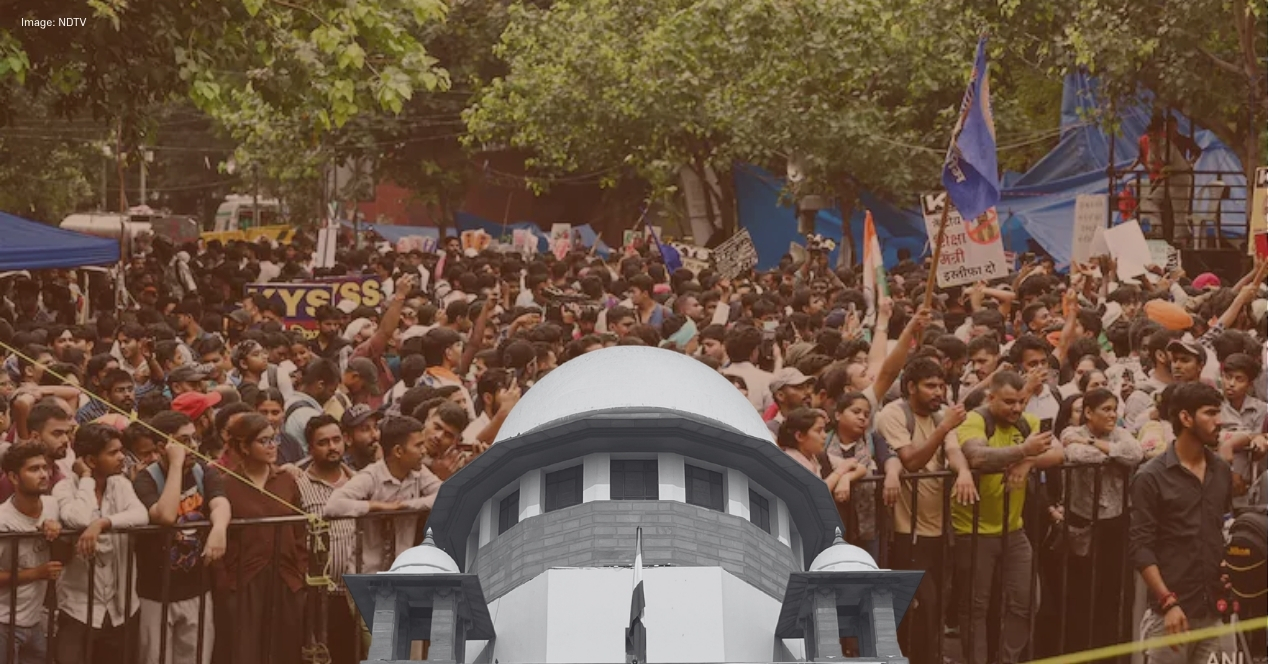
SC says allegations of police excess warrant independent probe
The Court directed preservation of CCTV footage and protesters’ data, and the release of detained minors.