


Analysis
Delhi Pollution Crisis | SC considers allowing only BS-VI vehicles in Delhi
The Bench sought compliance reports from NCR states and discussed a five-year plan to restrict the entry of commercial vehicles into Delhi.
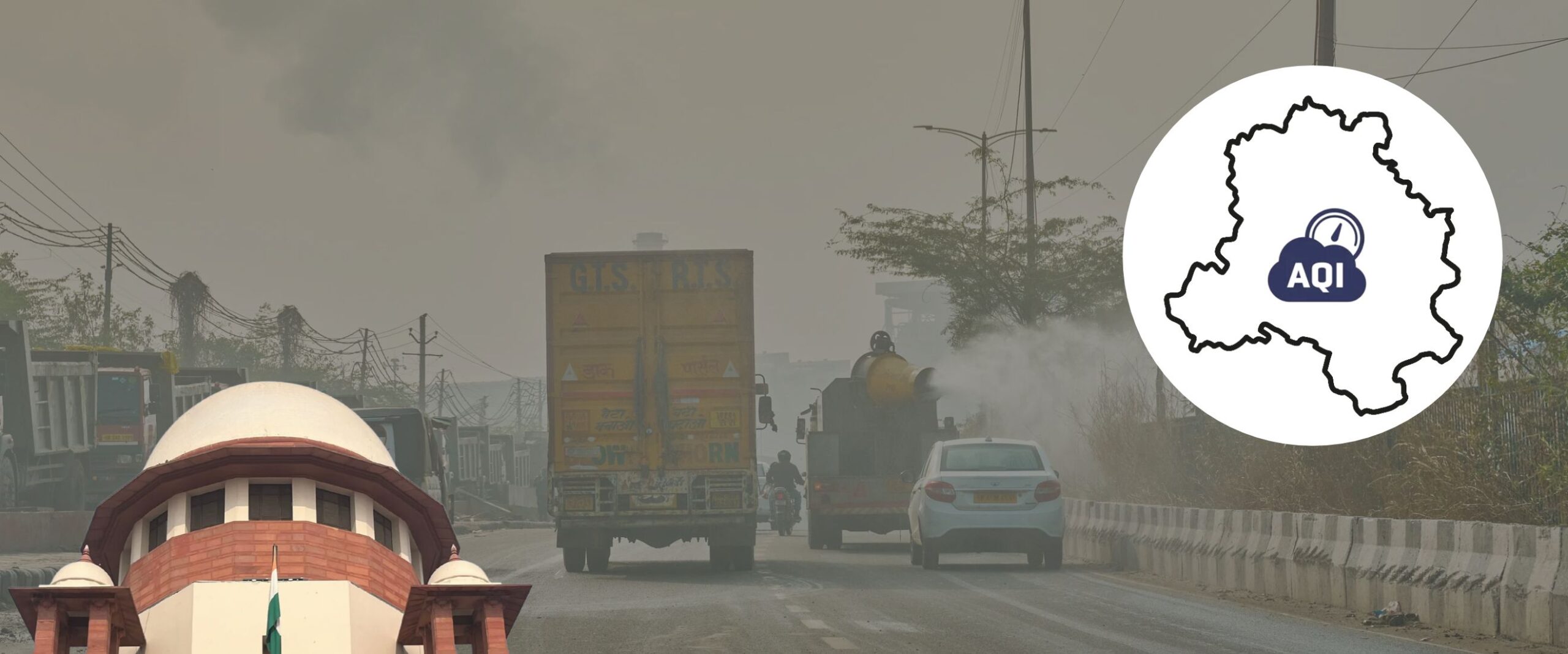
While a spell of relatively cleaner air offered Delhi some respite this winter, the Supreme Court was reluctant to give pollution-control measures all the credit.
Additional Solicitor General Aishwarya Bhati attributed the improvement in the National Capital Region partly due to government efforts. This prompted Chief Justice Surya Kant to say that nature deserved much of the credit, with Justice Joymalya Bagchi remarking: “You are lucky this winter,”
Previously, the Bench had observed that winter restrictions were “old, tried and failed measures”.
The road to cleaner transport
“We are clear we will allow only BS6 vehicles in Delhi, if not NCR,” Justice Bagchi observed. An advocate pointed out that owners of BS-IV vehicles were facing difficulties obtaining Pollution Under Control (PUC) certificates and purchasing fuel. The CJI observed that an immediate ban would have drastic consequences and suggested maintaining the existing arrangement for now.
The CJI explored the possibility of keeping commercial vehicles out of Delhi altogether. He suggested setting up warehouses along the city’s borders, where goods could be unloaded and transported into the capital in battery-operated or other non-polluting vehicles. Such an arrangement would have to ensure that Delhi continued to receive vegetables, fruits and other daily necessities. “This kind of arrangement may not be possible this year, may not be possible next year. But why not to have this during five years?” he asked.
Neighbouring states under scrutiny
The CJI questioned the non-participation of other NCR states and directed Haryana, Punjab, Uttar Pradesh and others to submit compliance reports on measures taken to reduce pollution The parties also requested that the states and the Commission for Air Quality Management (CAQM) respond to a report prepared by an expert committee appointed by the CAQM. The Court directed that a status report be filed in consultation with the amicus curiae. Bhati assured that the authorities would provide the necessary assistance.
The CJI identified a default on the part of the Municipal Corporation of Delhi (MCD), observing that the civic body would have to answer for it. The Bench indicated that further short-term and long-term directions would apply to the entire NCR, rather than Delhi alone.
Related articles
Analysis
Delhi Air Pollution Crisis | CJI Surya Kant warns against politicising stubble burning
Court pushes authorities to show why Delhi’s pollution remains high despite repeated action plans
Analysis
Delhi Air Pollution Crisis | Can’t hold us to standards of developed countries, Union argues; SC asks for long term plan
Amicus says burning is undercounted; Union points to machinery subsidies; Court seeks durable plan beyond seasonal bans
Analysis
Delhi pollution crisis: Can the Supreme Court clear the air?
A Division Bench appointed 13 advocates as Court Commissioners to ensure compliance with the ban on trucks at Delhi checkpoints