


Analysis
Essential Religious Practices: Court in Review
The evolution of Supreme Court jurisprudence on the essential religious practices (ERP) doctrine over 19 cases
1954
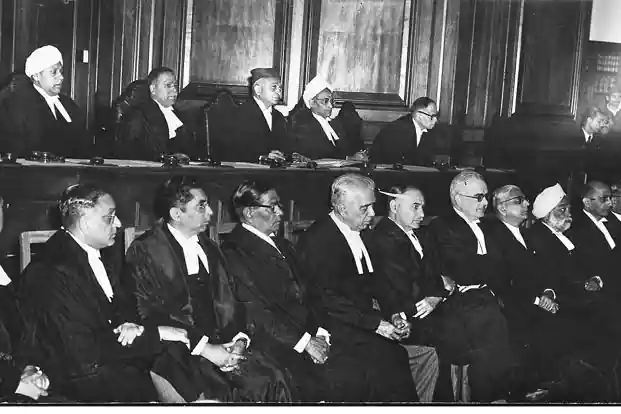
The Commissioner, Hindu Religious Endowments, Madras v Shri Lakshmindar Tirtha Swamiyar of Shri Shirur Mutt
Issue: Management of religious affairs.
A seven-judge bench of the Supreme Court held that Articles 25 and 26 provide for enquiry into the character of a practice only to distinguish religious practices from economic or political activities. In this case, the petitioners had invoked the articles to challenge the decision of the Hindu Religious Endowments Board to appoint a competent Mathadhipati, or a superintendent, for the Shirur Matt due to its outstanding monetary debts. The Court clarified that religious denominations enjoy “complete autonomy” in the determination of practices that are “essential” to the religion.
1957
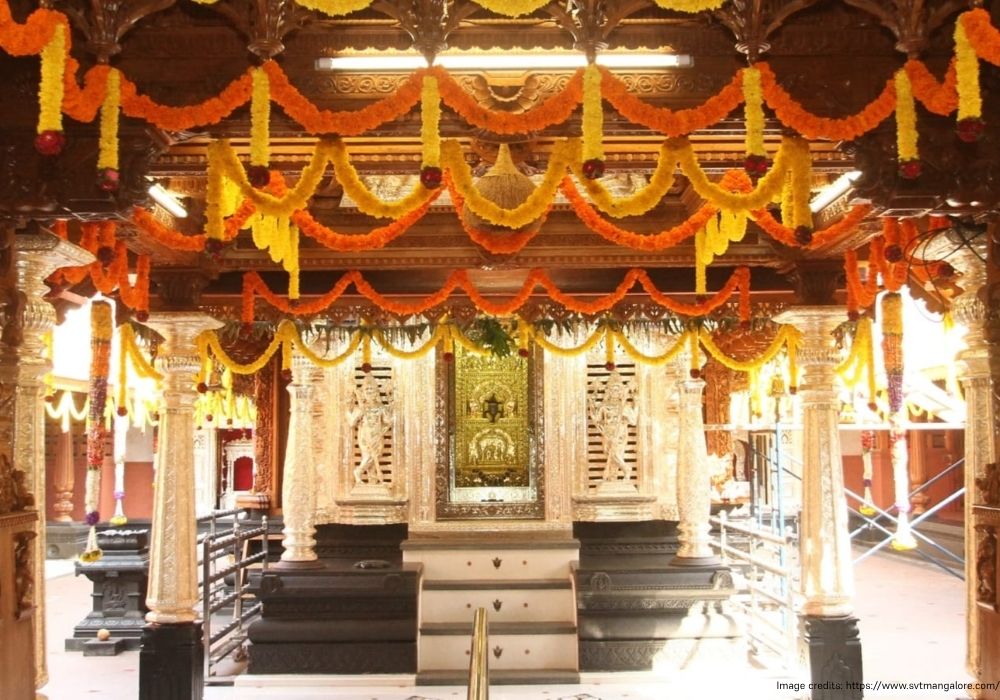
Sri Venkataramana Devaru v The State of Mysore
Issue: Temple entry.
A five-judge bench of the Supreme Court upheld the Madras Temple Entry Authorisation Act, 1947 which removed prohibition on temple entry of Scheduled Caste persons. The petitioners, Gowda Saraswat Brahmins, invoked Article 26 to challenge the constitutionality of the Act and argued that a temple run by a religious denomination falls outside the purview of restrictions under Article 25. The Court held that the denomination’s right to restrict entry cannot be recognised in light of Article 25(2)(b) but permitted, in order to “strike a just balance”, the restriction of entry on “special occasions”.
1958
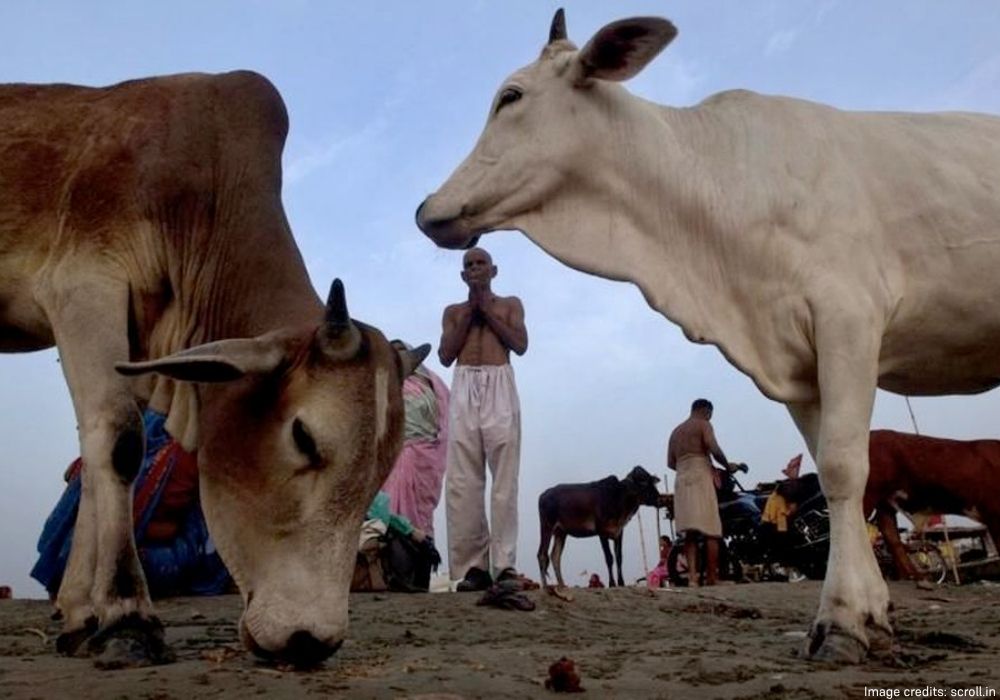
Mohd. Hanif Quareshi v. State of Bihar
Issue: Cow slaughter on Bakr Id.
A five-judge bench of the Supreme Court held that cow sacrifice on Bakr Id is not a religious compulsion or an obligatory act to exhibit religious belief. It upheld three legislative bans on cow slaughter introduced in 1955, which provided no exception for bona fide religious purposes. Petitioners, engaged in the butcher trade, had challenged the ban as violative of the rights to equality, trade and professions, and freedom of practice and propagation of religion under Articles 14, 19(1)(g) and 25.
1959
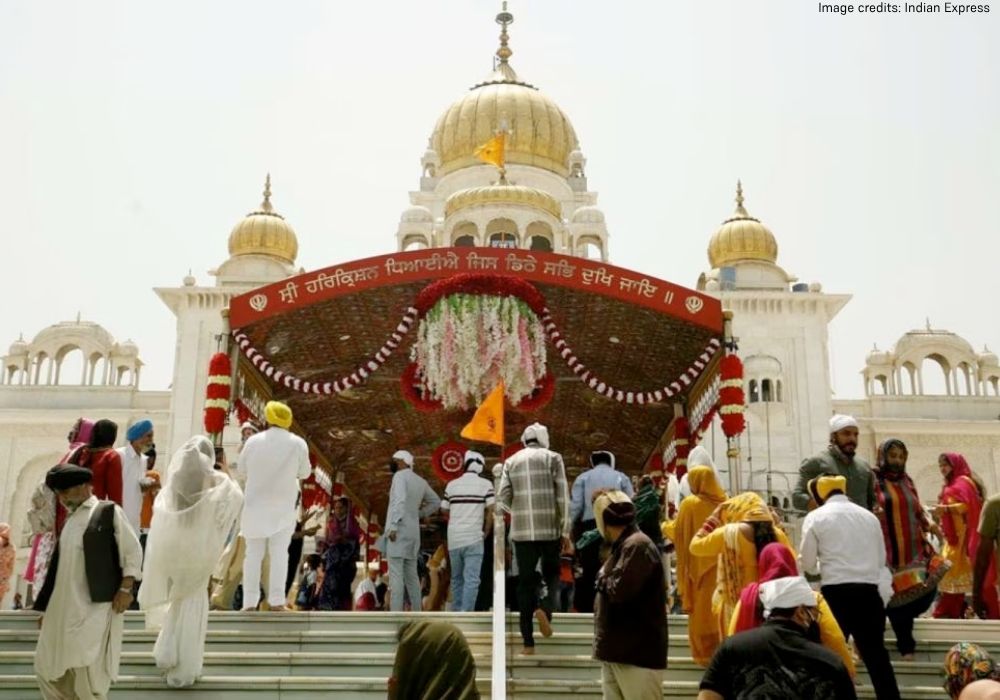
Sardar Sarup Singh v State of Punjab
Issue: Management of religious affairs.
A five-judge bench of the Supreme Court upheld an amendment to the Sikh Gurudwaras Act, 1925 which inserted Section 148-B. The provision included, through indirect election, 35 new members on the Gurudwara Board. Petitioners invoked Article 26(b) to contend that members could only be elected directly by the Sikh community. The Court held that direct election is not a matter of religion. This precluded the question of ERP.
1961
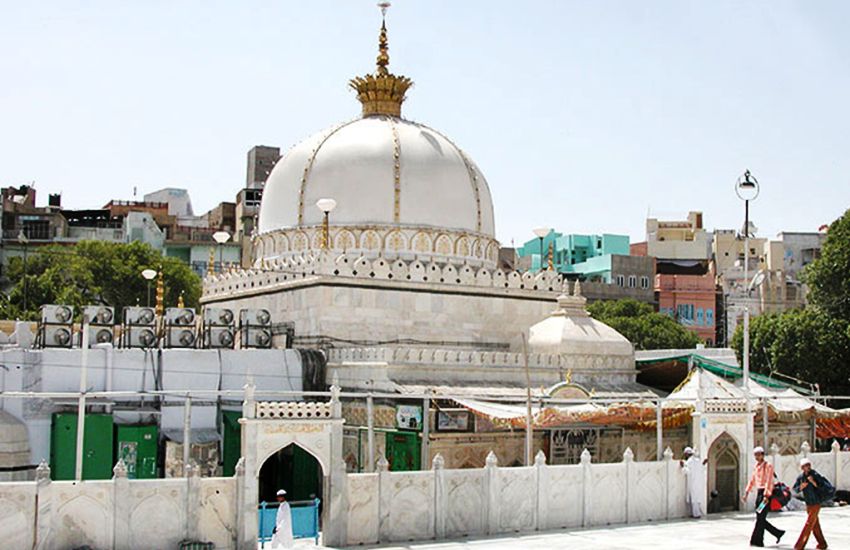
Durgah Committee, Ajmer v Syed Hussain Ali
Issue: Management of religious affairs.
A five-judge bench of the Supreme Court held that the determination of the religious character of a practice required enquiry into its “essential” or integral nature. The petitioners were Chishti Soofies who claimed that they were the sole custodians of the shrine at Ajmer. They argued that the Dargah Khwaja Saheb Act, 1955 violated Articles 14, 19(1)(f) and (g), 25, 26, and 30(1) and (2) for permitting all Hanafi Muslims to partake in the maintenance and affairs of the Dargah. The Supreme Court dismissed the challenge and observed that the shrine had never been confined to Chishti Soofies.
1962
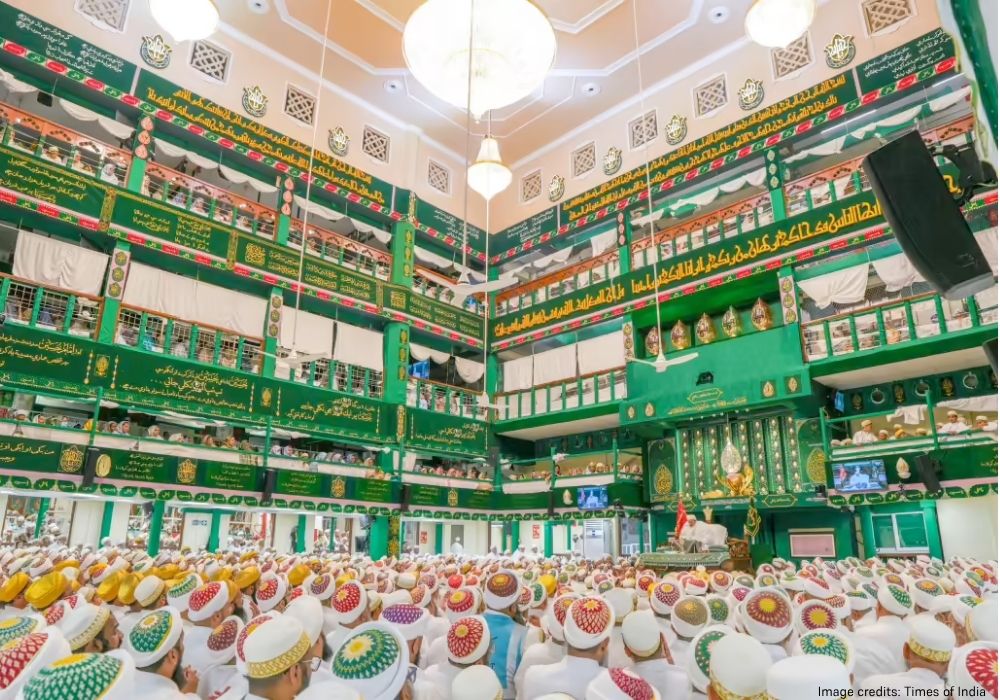
Sardar Syedna Taher Saiffuddin Saheb v State of Bombay
Issue: Management of religious affairs & power of excommunication.
The Supreme Court, in a 4:1 majority, upheld the power of the Head Priest to excommunicate members from the Dawood Bohra community. It held that the excommunication was integral to their religion. The petitioners were Dawoodi Bohra Muslims who challenged the Bombay Prevention of Excommunication Act, 1949 as violative of Articles 25 and 26.
The Court observed that essential practices are to be determined through texts and tenets of the religion and clarified that Article 25 did not permit the legislature to “reform” a religion “out of existence” entirely.
1963
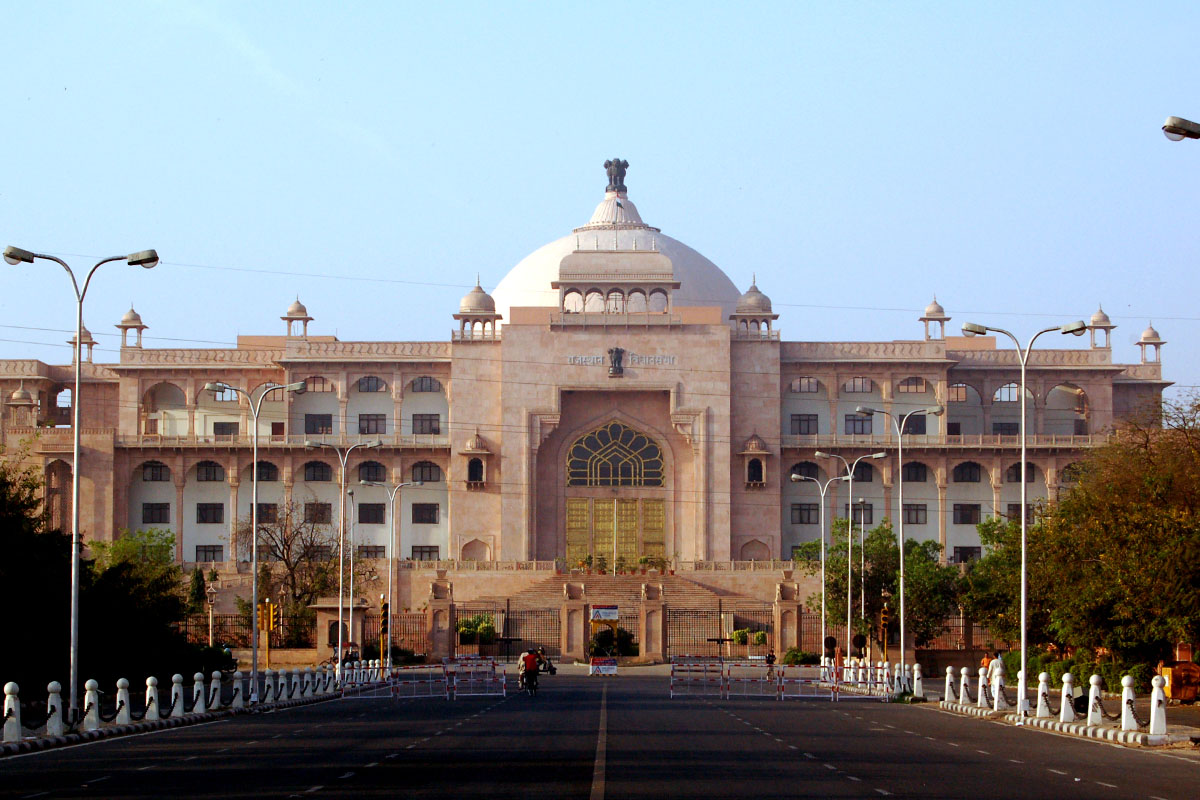
Tilkayat Shri Govindlaji Maharj v State of Rajasthan
Issue: Management of religious affairs.
A five-judge bench held that the temple was a public character and that the right to manage the property of the temple is a merely secular matter and cannot be regarded as religious practice under Article 25(1). Further, the state has the power to regulate secular management of funds and property. The Nathdwara Temple Act, 1959 was under challenge by the head of the Pushtimargiya Vaishnava Sampradaya who contended that the temple was his private property over which he had an absolute right. Restrictions imposed by the state were found to be reasonable and not arbitrary.
1972
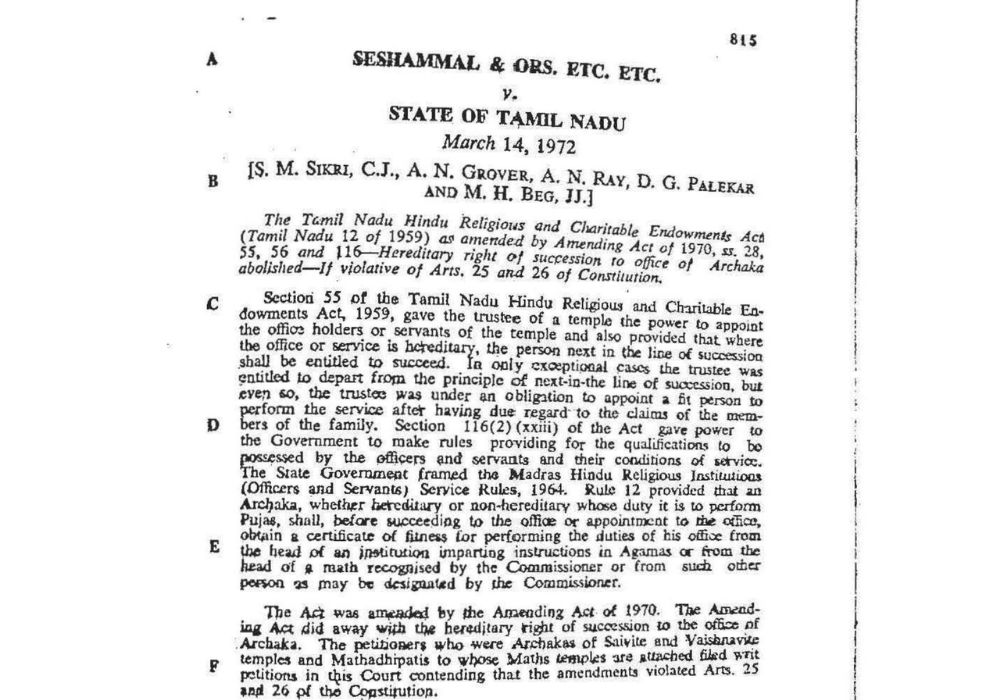
Seshammal & Ors v State of Tamil Nadu
Issue: Management of religious affairs.
A five-judge bench of the Supreme Court held that hereditary succession to the Office of the Archaka (temple priest) was not essential religious practice but rather an “essentially secular” practice. The Tamil Nadu Hindu Religious and Charitable Endowments (Amendment) Act, 1970 was under challenge as it did away with the hereditary right of succession to the office of the Archaka. Petitioners invoked Articles 25 and 26.
The Court found that the Act does not contravene Article 26 as it does not change any rituals or ceremonies of the temple. It clarified that while appointment need not be hereditary, it did have to be in accordance with the Agamas which were essential and integral to the religion and prescribed qualifications of birth, training and initiation.
1984
Commissioner of Police v Acharya Jagadisharananda Avadhuta
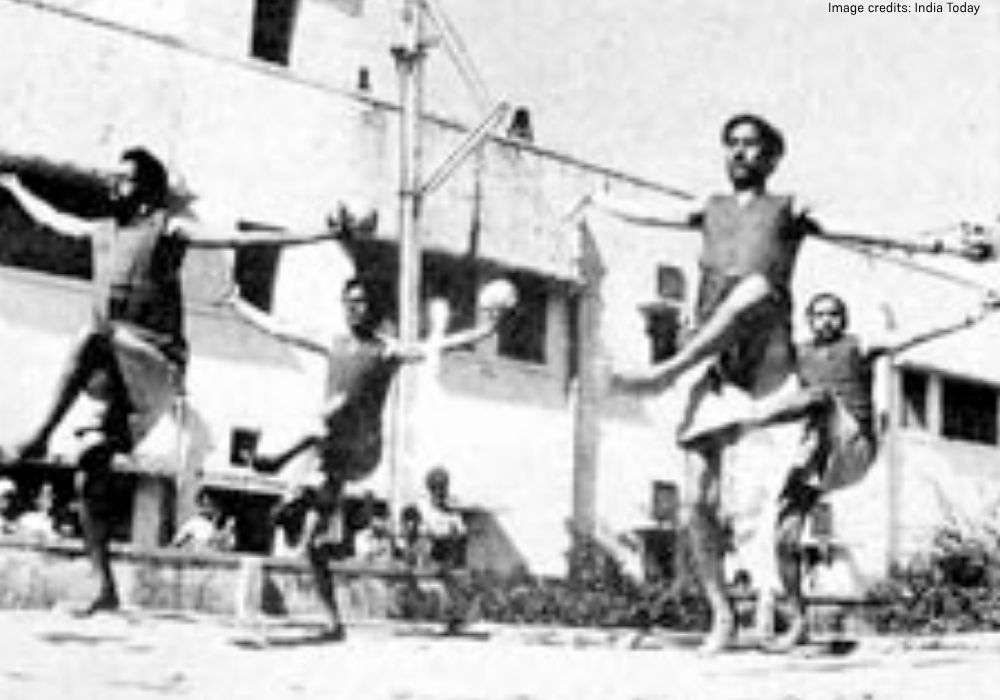
Issue: Performance of the Tandava dance in a public procession.
A three-judge bench of the Supreme Court held that the Tandava dance was not an ERP of the Ananda Marga denomination as it was introduced only in 1966. Petitioners challenged police prohibitions on performance of the Tandava dance in public processions on the occasion of their religious function. The Court found “no justification in any of the writings of Shri Ananda Murti that tandava dance must be performed in public.”
1994
M. Ismail Farooqui v. Union of India
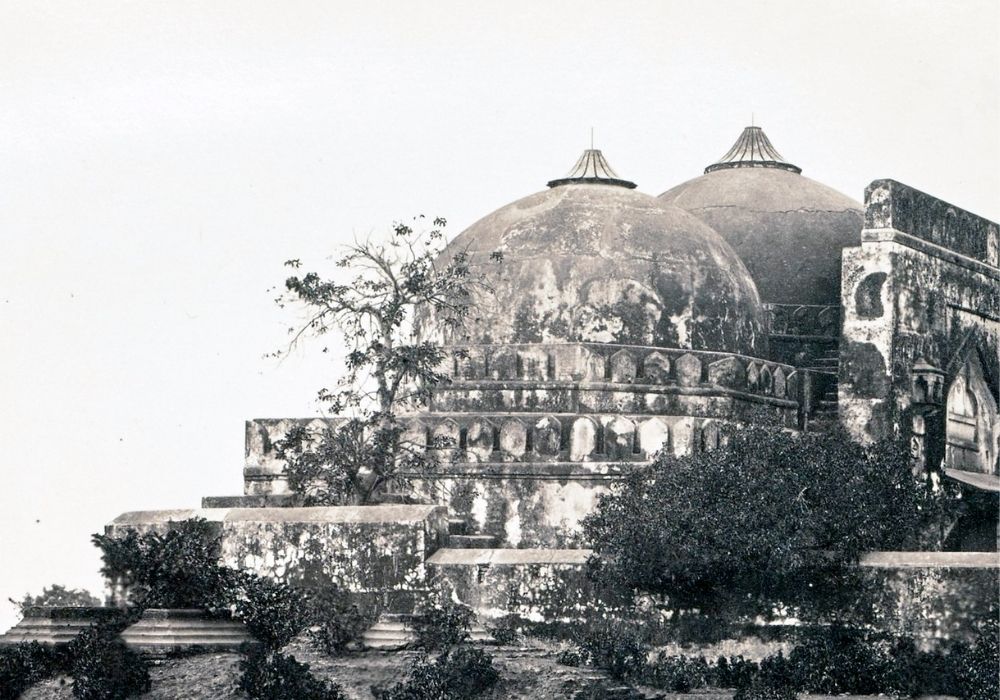
Issue: Immunity of mosques from state acquisition.
In a 3:2 verdict, the Supreme Court held that mosques (even those of special significance) are not essential to Islam and hence not immune from state acquisition. The Acquisition of Certain Area at Ayodhya Act, 1993 was under challenge in the aftermath of the Babri Masjid demolition in 1992. A Presidential Reference was placed before Court to ascertain the historical existence of a Hindu temple at the disputed site. Petitioners challenged the validity of the Act and maintainability of the Reference, invoking Articles 14, 25, and 26. The Court upheld the Act and unanimously declined to answer the Reference.
1994
State of West Bengal v Ashutosh Lahiri
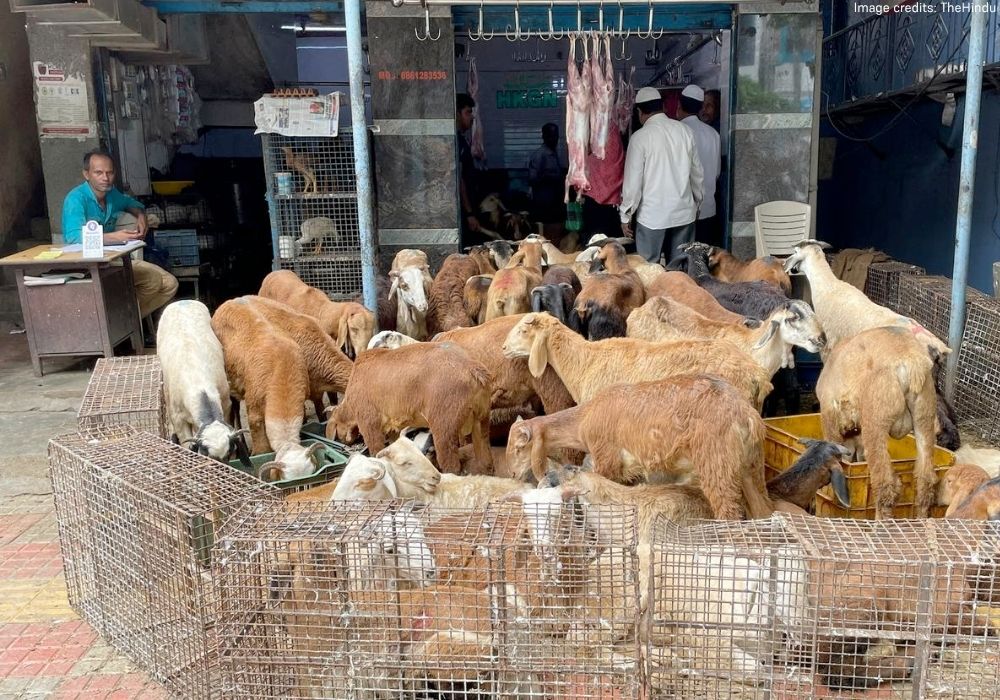
Issue: Cow slaughter on Bakr Id.
A three-judge bench of the Supreme Court struck down an exemption granted for cow slaughter on Bakr Id under the West Bengal Animal Slaughter Control Act, 1950. The state government contended that the practice was for religious purposes. Petitioners challenged the exemption, contending that the practice is not essential to Islam. The Supreme Court held that cow slaughter on Bakr Id is not an ERP.
1997
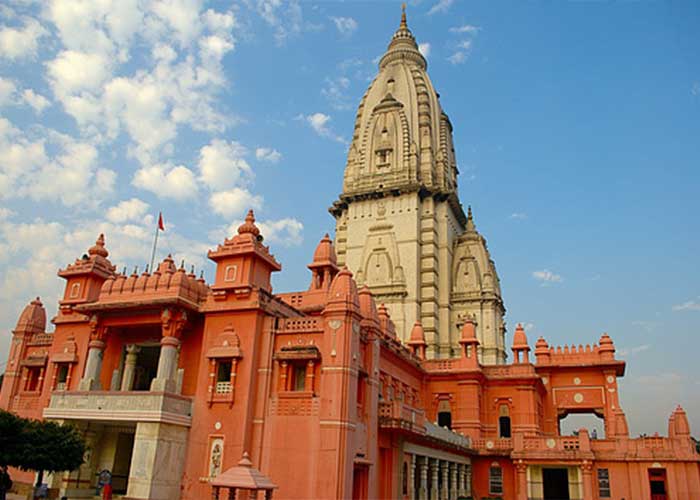
Sri Adi Visheshwara of Kashi Vishwanath Temple, Varanasi & Ors. v State of UP & Ors
Issue: Management of religious affairs.
The Supreme Court upheld the validity of the U.P. Sri Kashi Vishwanath Temple Act, 1983 stating that it pertained only to secular functions of administration which are not ERPs. The Act was passed after devoted pilgrims reported theft, exploitation, and unhygienic conditions at the Kashi temple. It was challenged on the grounds of Articles 25 and 26.
2002
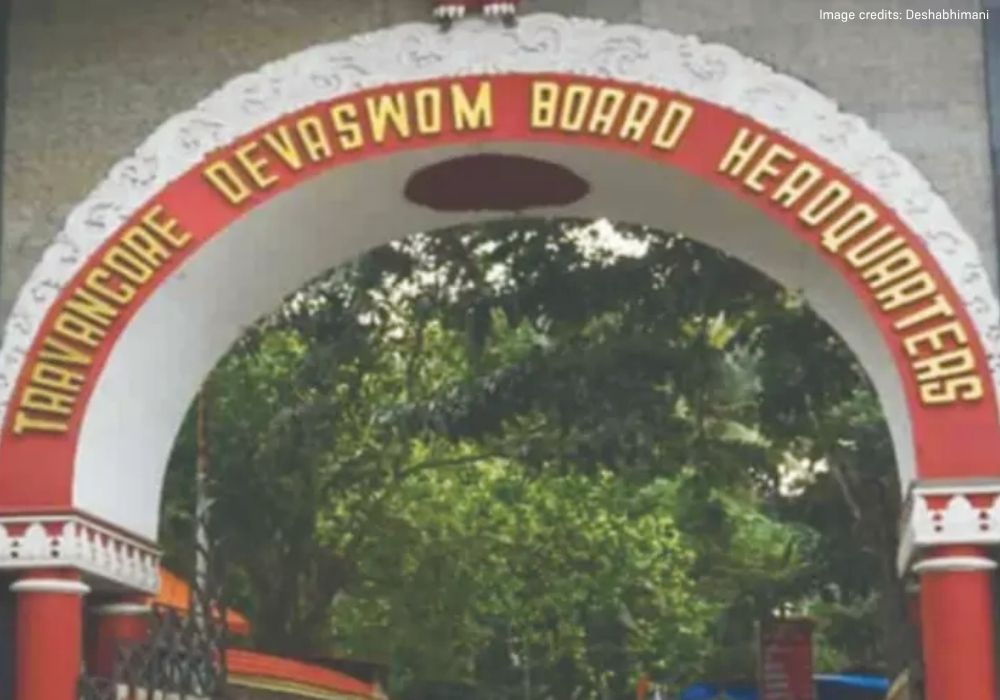
N. Adithayan v. Travancore Devaswom Board
Issue: Management of religious affairs.
The Supreme Court held that a person cannot be prohibited from appointment as a priest solely on grounds of caste. The Travancore Devaswom Board challenged the appointment of a non-Brahmin pujari as violative of its rights under Articles 25 and 26.
The Court found that according to the Agamas, there is no doubt that only a qualified, well-versed and properly trained person can perform poojas at the temple. While this might have been restricted to Brahmans in the past, it noted the creation of institutions to provide training and qualification of non-Brahmans for this purpose. The Court stated that Article 25 is subject to Article 17 and that administration is a secular function, exempt from Article 26.
2004
Commissioner of Police v Acharya Jagadisharananda Avadhuta
Issue: Performance of the Tandava dance in a public procession..
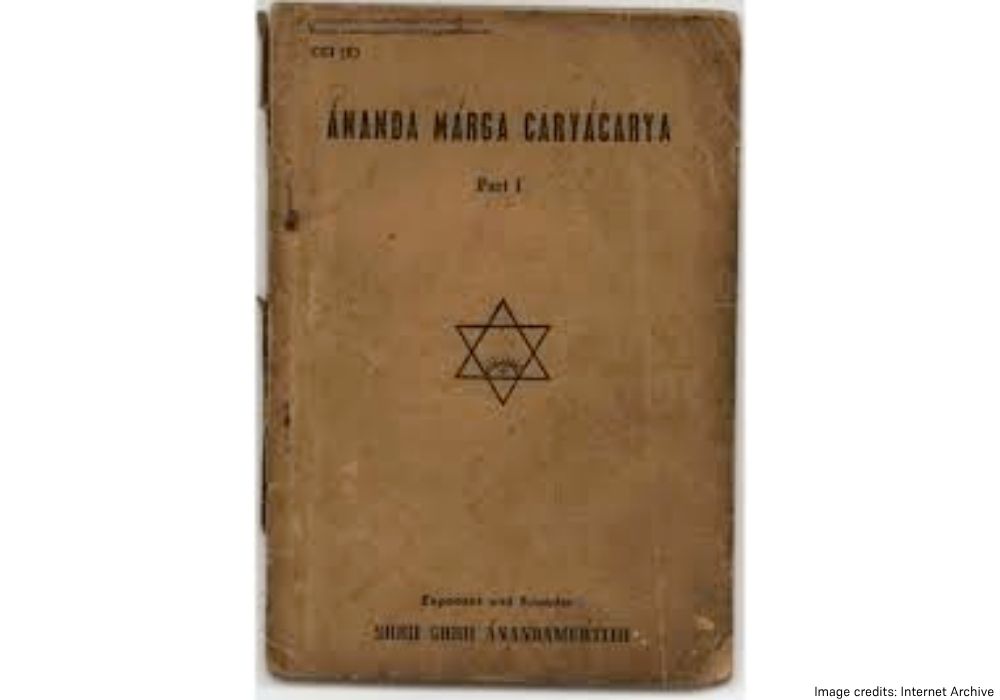
The Supreme Court, in a 2:1 majority, reiterated that the Tandava dance is not integral, historically rooted, or fundamental to the Ananda Marga denomination and thus can be prohibited in the interest of public order. Petitioners, the Commissioner of Police, challenged the Single Judge Bench order of the Calcutta High Court which held that Ananda Margis must be permitted to propagate their practice, citing the prescription of the Tandava dance as essential in the Carya Carya—their central religious text. Further, an appeal to the Division Bench of the High Court was dismissed.
The Supreme Court found that the text was amended after the 1983 decision and held that subsequent inclusion in a religious scripture does not deem a practice essential under Article 25.
2016
Adi Saiva Sivachariyargal Nala Sangam v Government of Tamil Nadu
Issue: Management of religious affairs.
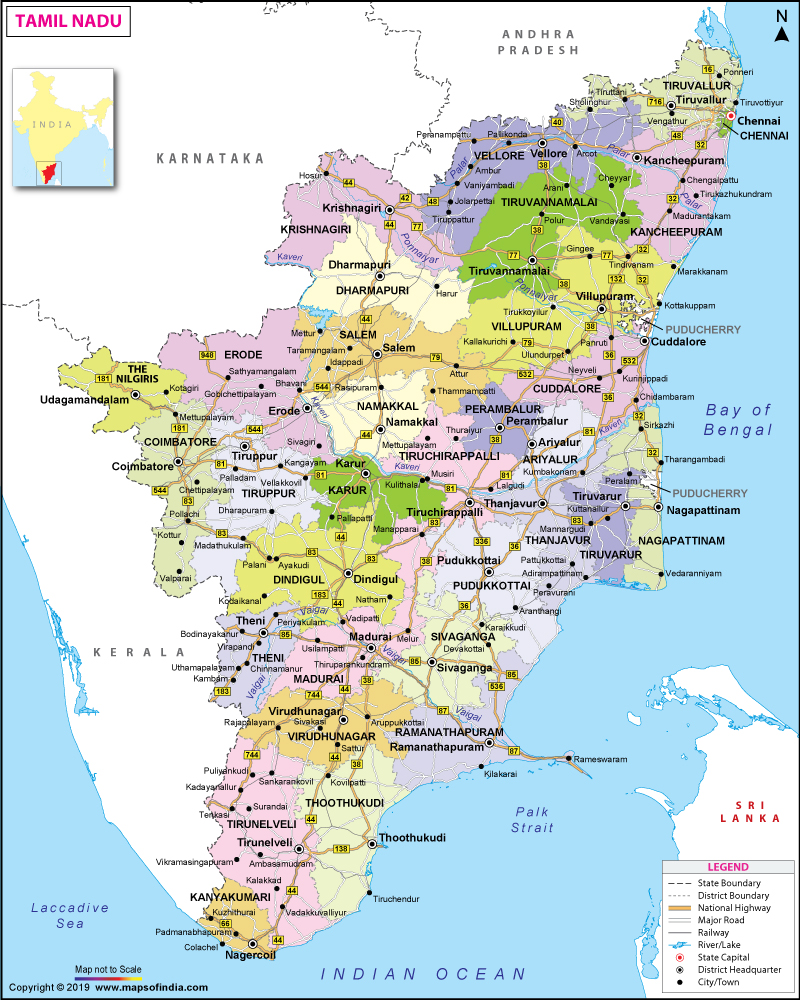
In Seshammal (1972), the Court upheld the Tamil Nadu Hindu Religious and Charitable Endowments (Amendment) Act 1970 which abolished hereditary succession to the office of Archaka. In 2006, a government order was issued permitting Hindus of all castes to obtain qualification for appointment as Archakas. Petitioners challenged the order, invoking Articles 25 and 26.
Reconciling Seshammal with N. Adithyan (2002), the Court held that although appointment of Archakas must be in accordance with the Agamas, the Agamas must conform to the constitutional mandate and not practice caste-based exclusion. It permitted Hindus of all castes to receive Agama-prescribed training from the state.
2016
Mohammed Zubair v Union of India
Issue: Keeping of a beard.
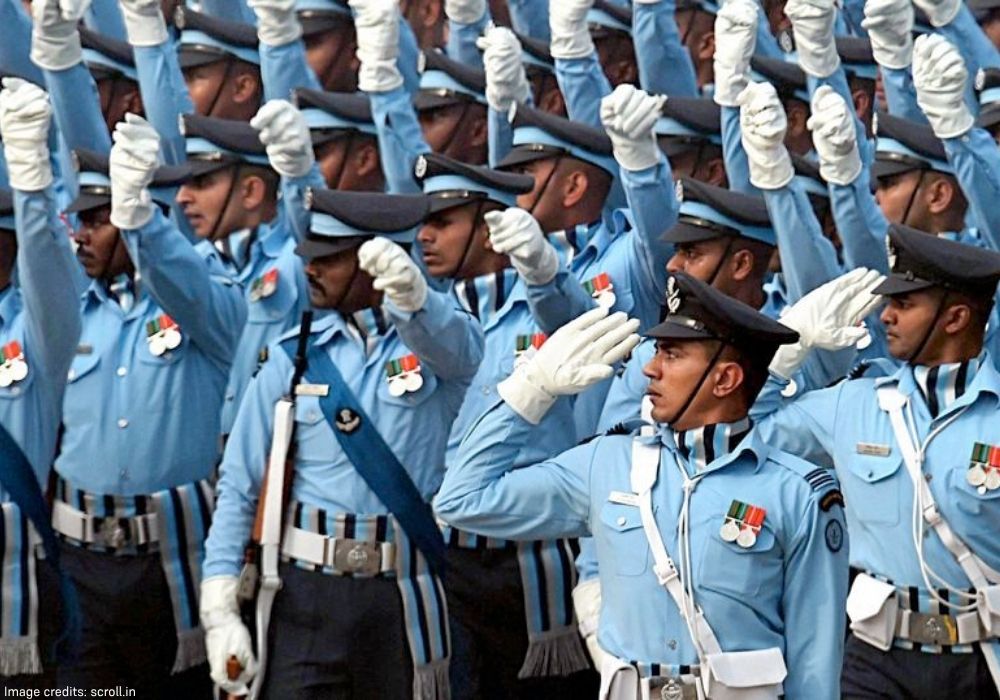
The Supreme Court endorsed and upheld the Punjab and Haryana High Court judgement which found that maintaining a beard is not an integral part of the Islamic religion. The appellant was discharged from service in the Indian Air Force for refusing to shave his beard on religious grounds under Article 25.
2017
Shayara Bano v Union of India
Issue: Triple talaq.
A five-judge bench of the Supreme Court held that triple talaq was not an ERP and cannot be protected under Article 25. It found that the practice is against the basic tenets of the Quran. The Court noted that although the practice fulfils the requirement of a valid divorce under the Hanafi sect of Sunni Muslims, it is considered a “sinful form of divorce.” The petitioner challenged the constitutionality of the Muslim Personal Law (Shariat) Application Act, 1937 as violative of Articles 14, 15 and 21 for permitting triple talaq, a form of divorce. She contended that the practice of triple talaq cannot be protected under Articles 25, 26 or 29.
The Court held that the practice cannot be considered essential, as the fundamental nature of the Islamic religion will not change without it.
2018
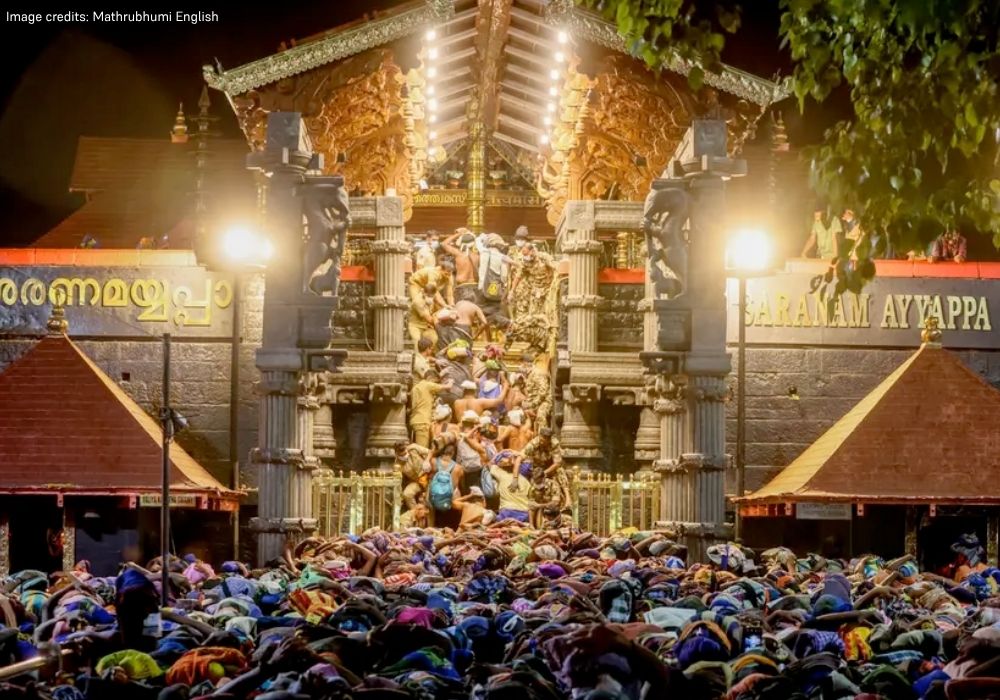
Indian Young Lawyers Association v State of Kerala
Issue: Temple entry.
The Supreme Court, in a 4:1 majority, held that the Sabarimala temples’s prohibition on entry of women between 10-50 years of age was unconstitutional and violative of Articles 14 and 25. The Bench held that the custom was not an ERP.
2018
Arjun Gopal v Union of India
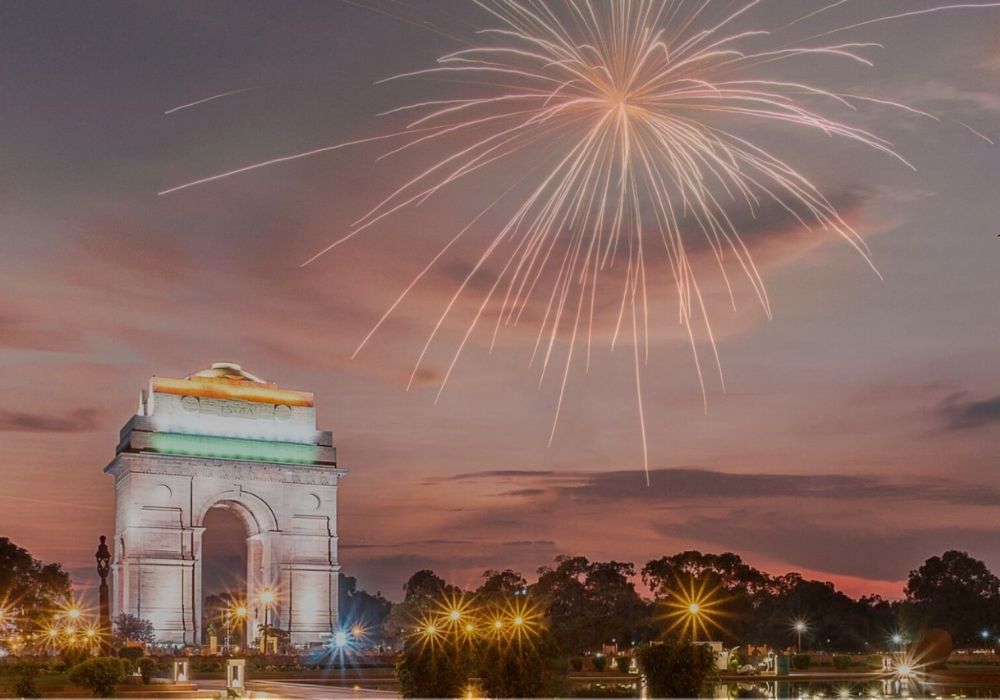
Issue: Bursting of firecrackers on Diwali.
The Supreme Court held that burning firecrackers during Diwali is not an ERP protected by Article 25 but rather a customary practice of 16-century origin. Petitioners challenged firecracker use in Delhi-NCR as violative of Article 21 due to severe air pollution post-Diwali.
It clarified that even if it were an ERP, Article 25 is subject to restrictions on grounds of public health and order as well as the right to clean air under Article 21.
Related articles
Analysis
Essential Religious Practices—The Heart of the Hijab Ban Challenge
DESK BRIEF: The question of whether the hijab is an Essential Religious Practice appears to be at the heart of the hijab ban challenge.
Analysis
Ayodhya Title Dispute: Essentiality and Particular Significance
The Faruqui case appears to have introduced a "particular significance" test for determining whether a feature of a religion is essential.
Analysis
“In choosing the essential practices test, Indian courts have shaded out alternative doctrinal approaches”: Mathew John
The author of ‘India’s Communal Constitution’ on the balance between individual rights, religious identities and the Uniform Civil Code
Analysis
Sabarimala Temple Entry Case: 4 Must Reads
4 articles which conclusively examine the Supreme Courts Sabarimala Verdict.