Analysis
An exercise in introspection
Justice Bhuyan’s recent speech brought back questions on public engagements by judges
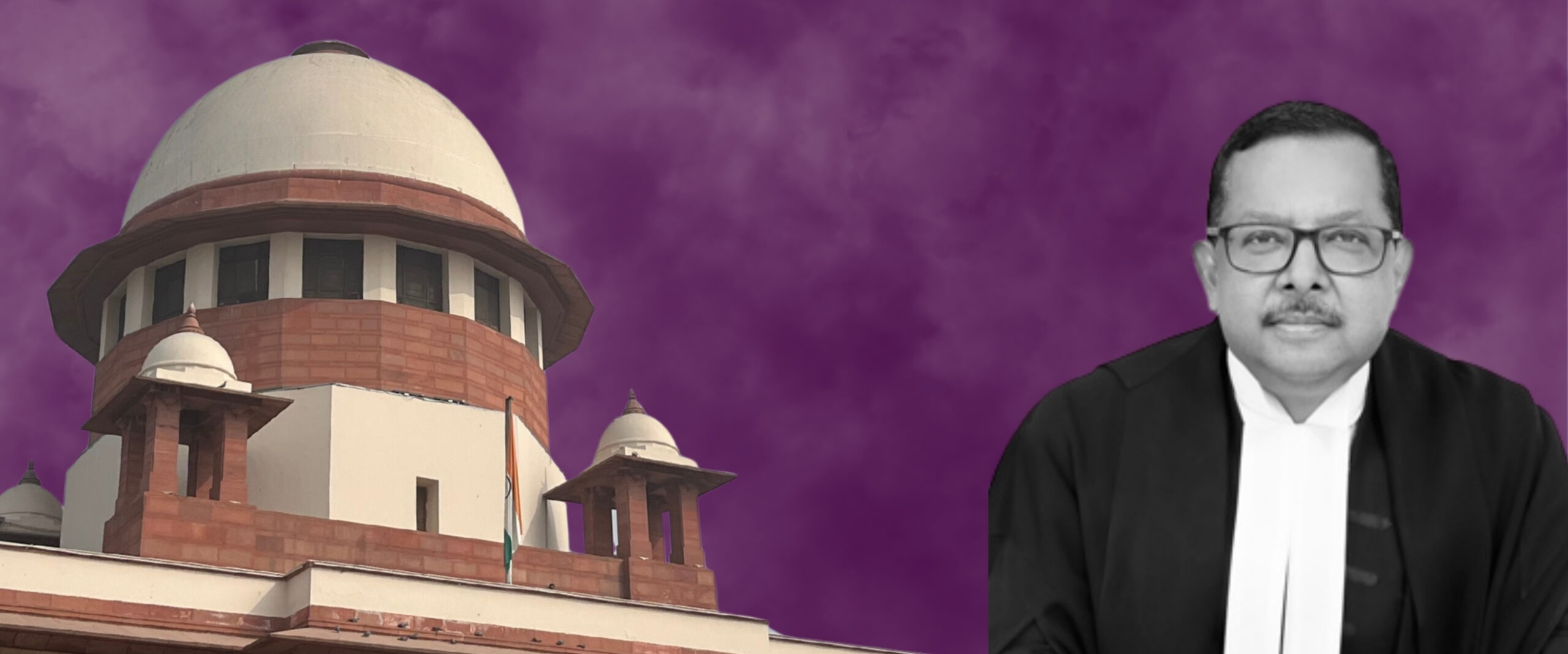
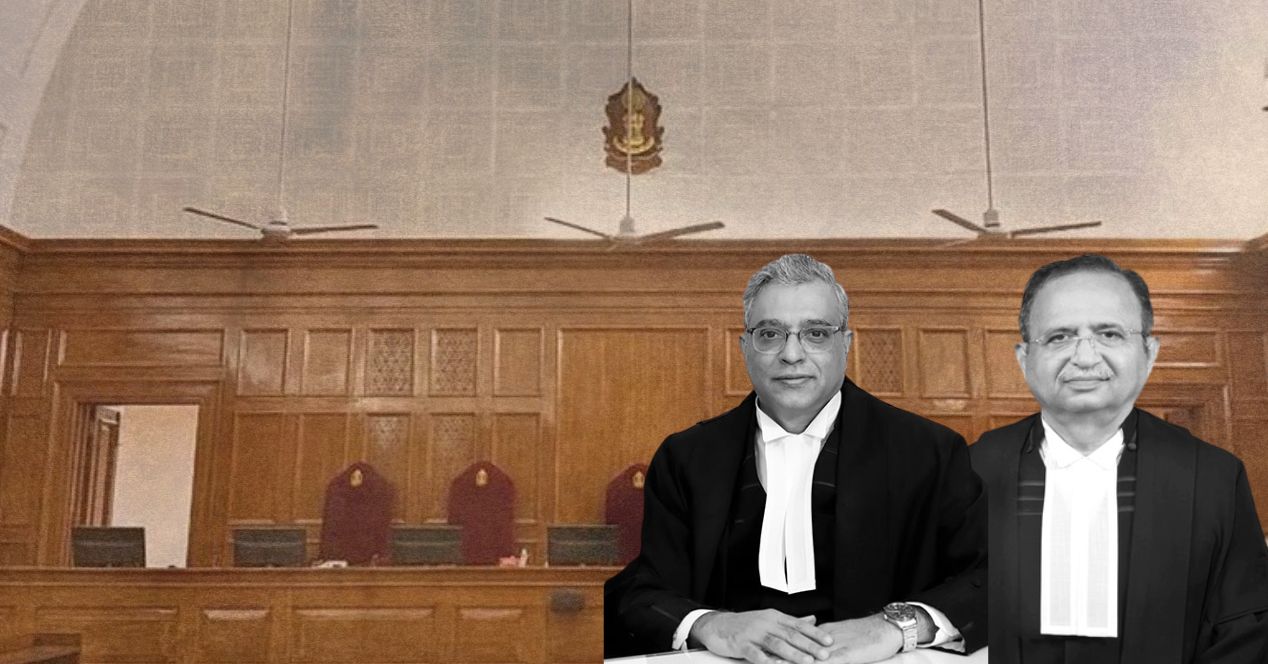
Last Sunday, Justice Ujjal Bhuyan of the Supreme Court appeared as a Chief Guest on the G.P. Singh Memorial Lecture organised by NLIU, Bhopal. His speech expressing concerns over the shrinking democratic space in the country, the conduct of courts in matters pertaining to bail, freedom of speech and the separation of powers, was widely reported by the media. The speech revives a long standing question: should a sitting judge of the country’s highest courts engage in critical public deconstruction of settled judicial decisions?
Former Chief Justice of India R.S. Pathak categorised sitting Judges during his time into three distinct groups: First, the conservatives who applied the law, distinguished from socio-economic conditions. Second, the centrists, who acknowledged the need for change but remained within the confines of law. Lastly, the judicial activists or judges who believed in the idea of a living constitution; not afraid to be judicial legislators.
Sunday’s remarks place Justice Bhuyan closer to the third camp, which historically, has had its famous takers. For instance, former Chief Justice P.N. Bhagwati, in a 1980 interview with George Gadbois, said that he tried to create more rights than the constitution itself provided for. Previously, in the farewell ceremony of Justice A.S. Oka, Justice Bhuyan had observed that it is not wrong for an unelected judge to interfere with law-making. The comment addressed criticism of the Supreme Court striking down the National Judicial Appointments Commission (NJAC) Act in 2015.
Interestingly, our analysis of Justice Bhuyan’s participation in the State of Uttar Pradesh v Jai Bir Singh hearings revealed that he has been largely silent on the Bench. While that does not mean the lack of contribution, it is often through words spoken and written into transcripts and judgements that a Judge’s jurisprudence comes to be preserved as a judicial record.
Senior Advocate Raju Ramachandran, speaking to the Supreme Court Observer, stated that Justice Bhuyan’s lecture was an “exercise in introspection.” Ramachandran said, “The lecture was delivered in memory of one of the great Judges of the country, Justice G.P. Singh, who was never elevated to the Supreme Court only because he did not cave in to the executive.” In the same spirit, he said, “it is as important for people to know that there are reservations in the judiciary against decisions which undermine public trust.” This extends to administrative differences as well. Not long ago, a historic press-conference by the senior-most judges of the Supreme Court brought public attention to the discretionary powers of the Master of the Roster.
A common criticism that judges face due to their public interactions is that the Judge who vocalises off-the-bench strongly may not keep “an open mind” in judgements before them. On this, Ramachandran noted “The real test is not whether a Judge states their opinions, it is whether they are capable of rising above their personal belief.” He gave the example of Justice O. Chinnappa Reddy—a self-proclaimed atheist—who despite his views on religion held in S.P. Mittal v Union of India, that the teachings of Sri Aurobindo, constitutes a religion.
What should be not lost in the discourse is the fact that Justice Bhuyan’s lecture starts as an appeal to young lawyers and legal professionals to foster critical thinking, rather than a mere deference to the letter of the law. In spirit, it recalls Chief Justice Harilal Kania’s inaugural address at the founding of the Supreme Court, which promised to steer clear of “formal or barren legalism.”
Yet the dust never settles on the question: what does a Judge owe the public, whose trust is indispensable for the institution? Justice Bhuyan’s speech does present an answer. It simply assures that the question is worth asking.
This article was first featured in SCO’s Weekly newsletter. Sign up now!
Related articles
Analysis
The week that was
While the Court’s not mandated to intervene in the protests, its response at the first instance shaped the public perception towards it
Analysis
Clearing the decks
Four Benches now sit only on the Court’s oldest appeals. The CJI has seven months to prove it works
Analysis
Judging lawyers
What began as a challenge to a bank’s blacklist ended with a blueprint for reforming the legal profession