


Analysis
Clearing the decks
Four Benches now sit only on the Court’s oldest appeals. The CJI has seven months to prove it works
Charles Dickens in his 1852 novel, Bleak House, wrote about a fictional probate case—Jarndyce and Jarndyce—which concerned an inheritance. By the time the suit settled, the costs of litigation had swallowed the whole estate, rendering the final verdict moot. The Supreme Court of India’s new roster is an attempt to prevent Jarndyce and Jarndyce.
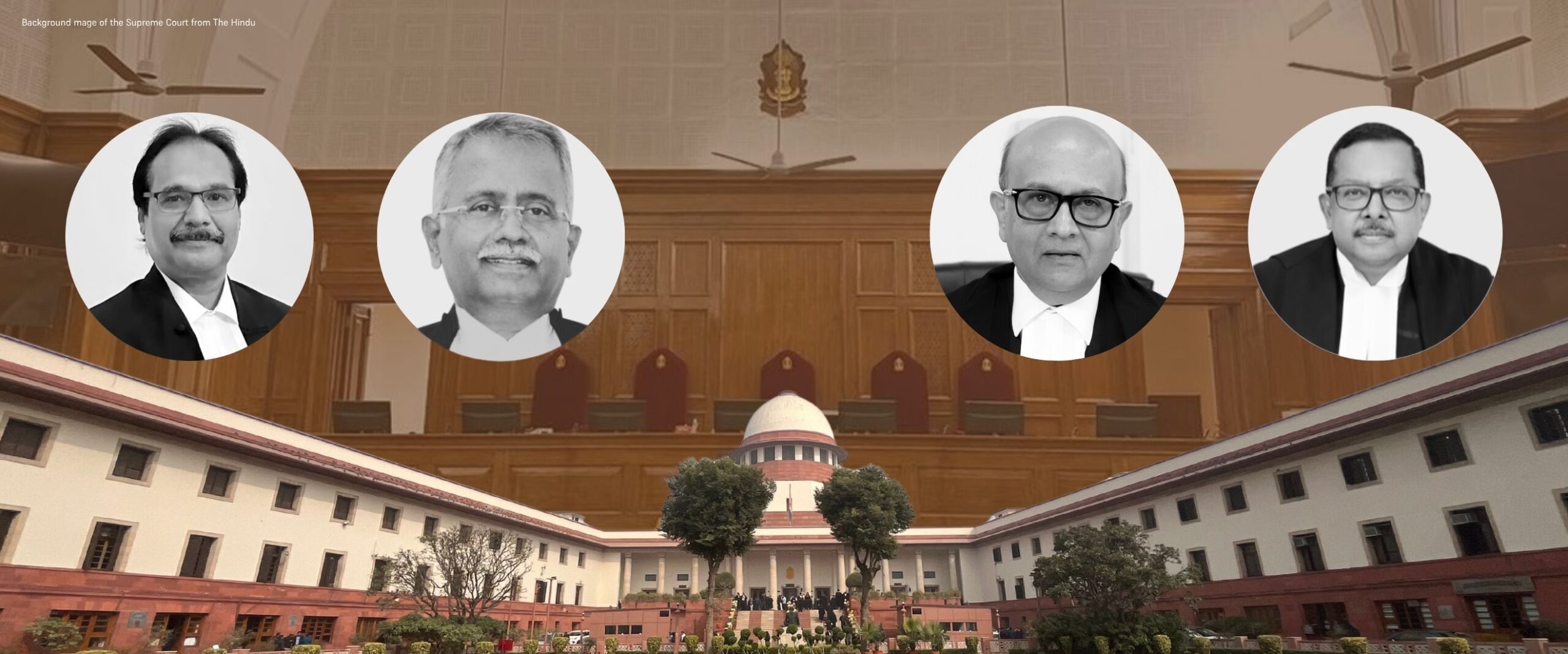
The roster, notified under the tenure of Chief Justice Surya Kant, sets up four Division Benches led by Justices P.K. Mishra and S.V. Bhatti to take up civil matters; and Justices Manoj Misra and Ujjal Bhuyan to take on the criminal. All four sit on “legacy” cases—referred to as the “oldest” civil and criminal matters by the Court. They will take up these cases on the three non-miscellaneous days in a working week, Tuesday to Thursday. For non-lawyers, non-miscellaneous days are working days mainly reserved for detailed or final hearings in cases that have already crossed the preliminary stage. By contrast, miscellaneous days reserved for Mondays and Fridays are largely devoted to fresh petitions and shorter procedural hearings.
The first weekly cause list shows the scale. The four lists contain 788 numbered items, apart from the connected cases grouped under them. The Benches led by Justices Misra and Bhuyan carry 194 and 200 criminal matters respectively. The Justices Mishra and Bhatti Bench have 198 and 196 civil matters each.
The term “oldest” needs care. The target is the oldest admitted appeals, not the oldest cases on the register. Listing runs chronologically. The oldest appeal takes serial number one. That explains the lists without quite answering them. According to the National Judicial Data Grid, the oldest civil case dates to 1986 and its oldest criminal to 1991. The roster neither explains how the first batch of cases were shortlisted, nor does it fix a cut-off.
The listed cases have shown complexities. Further, the list understates age. For instance, Mekaster Telematics v Pradeshiya Industrial and Investment Corporation of UP, filed in 2009, listed before the Justice Bhatti Bench was adjourned by two weeks as the State sought time to produce the original records. The next day the same Bench reserved judgement in a case filed in 2010. The Justice Bhuyan Bench reserved judgement in State of Himachal Pradesh v Moti Ram, a 2014 arrival, where the respondent never appeared. The Justice Mishra Bench dismissed Bunkering Brokers Ltd v M.V. Laxmi, filed in 2008, for want of prosecution. Nobody appeared to press it.
The Reliance Generators v Commercial Tax Officer case was more telling. Filed in 2007 and registered as a civil appeal in 2018, the case had eight writ petitions connected to it challenging a sales tax. The counsel agreed that the question was settled by Kone Elevator India v State of Tamil Nadu (2014). The Bench disposed of all eight in one hearing. The answer had existed for 12 years. The roster is also silent on what follows. It does not clarify whether a disposed case is replaced by the next-oldest automatically, or if there will be a fresh batch of cases.
The move is well-intended. Pendency is argued as one number. Age is a different measure, and a more honest one. A Court can lift its disposals without ever touching the litigant whose appeal has waited a decade. A similar move was carried out during the tenure of former Chief Justice U.U. Lalit in October 2022. The Registry listed 300 of the oldest after-notice matters on non-miscellaneous days. The oldest was a civil appeal of 1979. Weeks earlier it had struck off 13,147 old matters that were diarised but never registered, their defects uncured, one dating to 1987. His reforms did not survive his short tenure of 74 days.
CJI Surya Kant, retiring in seven months, appears to be conscious that a good outcome would give his successor reason to continue. That is the window in which the model must prove itself. The design still deserves defending. Twenty-four civil matters and two criminal ones have been pending beyond thirty years. Yet age alone does not make a case ripe. The “oldest” cases were not waiting for a judge. They were waiting for someone to notice it was over. For now, the rest have what they have long lacked: a courtroom kept for them.
This article was first featured in SCO’s Weekly newsletter. Sign up now!
Related articles
Analysis
Judging lawyers
What began as a challenge to a bank’s blacklist ended with a blueprint for reforming the legal profession
Analysis
Congratulations, Mr. Solicitor General
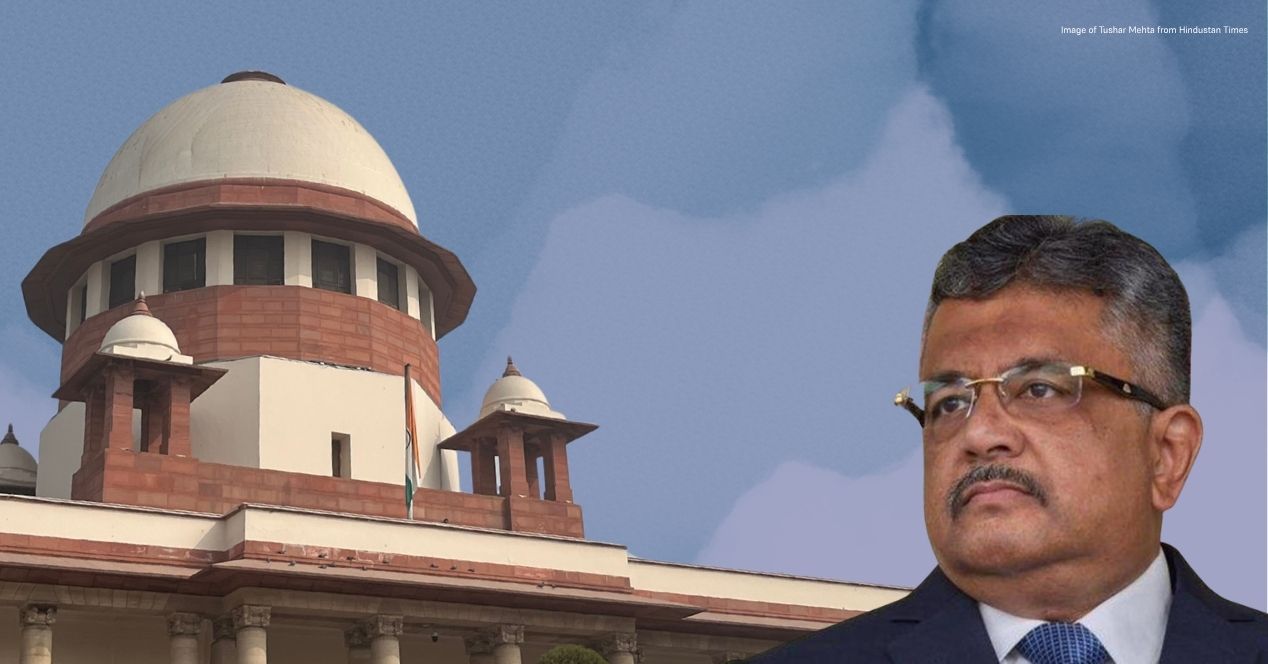
With his extension, Tushar Mehta is on track to be one of India’s longest serving Solicitor General

Analysis
Postman ban
The Delhi High Court's decision on suspension of Telegram services raises questions on intermediary liability