

Analysis
“No question of gagging…”: Supreme Court seeks guidelines on disseminating courtroom clips
The Bench asked the Union to propose safeguards, while directing social media channels to comply with its order prohibiting circulation
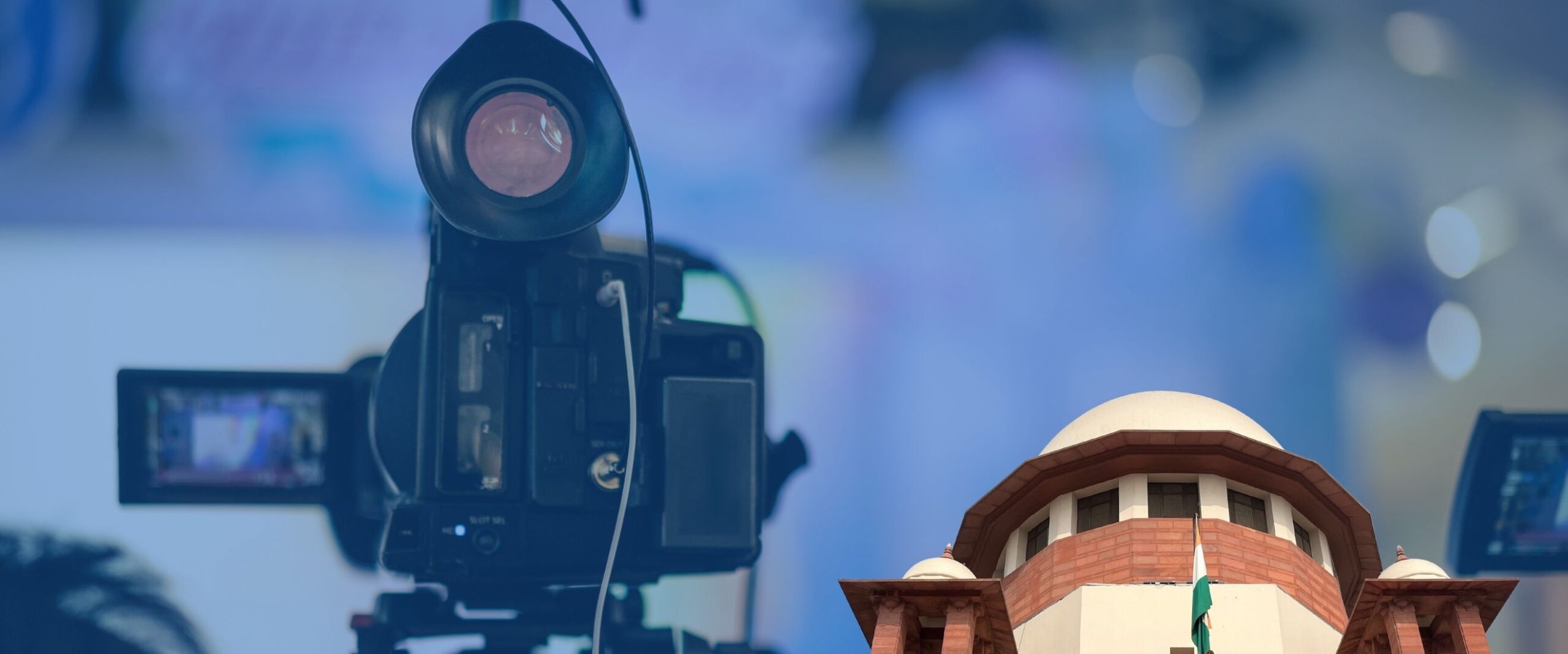
A Bench of Chief Justice Surya Kant and Justices Joymalya Bagchi and V. Mohana asked the Union to frame guidelines to prevent the commercial exploitation of courtroom recordings. The Court noted that clips continue to appear on social media platforms despite an interim order prohibiting their unauthorised dissemination.
‘Dialogue should be without fear of misquoting’
Advocate Mathews Nedumpara argued that the public had the right to know what happened in Court and acknowledged that he himself was uploading clips. When Solicitor General Tushar Mehta suggested that channels continuing to upload the recordings should stop, Nedumpara objected: “How can the Solicitor General say so?”. He insisted that proceedings must remain open to public scrutiny. CJI Surya Kant clarified that the Court’s concern was against commercial exploitation. “There’s no question of gagging anything,” he said, adding that “Court proceedings are not meant for commercial exploitation.” He stated that the Union government should propose measures that prevent commercial use and the misrepresentation of proceedings.
Justice Bagchi said recordings were being cut into short clips and circulated for personal gain, including to solicit professional work. The problem, he observed, was that livestreaming allowed portions of a hearing to be extracted without any control over how they were presented. “Dialogue should be without fear of misquoting,” he said.
Senior Advocate Gopal Sankaranarayanan suggested that anyone reproducing a hearing should publish the entire proceeding. He argued that a 40-minute exchange could be reduced to a half-minute long clip, leaving a distorted impression of what really transpired in Court. Justice Bagchi recalled efforts to examine whether technology could prevent portions of livestreamed proceedings from being cut out and circulated independently. Nedumpara, meanwhile, raised a recent controversy over the muting of audio during a hearing.
Interim restrictions to continue
The dispute comes in the wake of the Court’s 24 July order prohibiting the extraction, dissemination, monetisation, uploading, modification and hosting of audio-video recordings of judicial proceedings on digital platforms without prior permission from the Supreme Court Secretary General or the jurisdictional High Court Registrar General. It, however, expressly exempted reporting by recognised news outlets.
Mehta sought two weeks to file a response, along with a proposal taking into account suggestions received so far. The Court said guidelines could address the issue without the need for further directions and ordered social media channels to continue complying with the existing restrictions.
The matter will be listed after two weeks.
Related articles
Analysis
Clipped justice
An intervention asks whether open justice can survive prior permission for sharing courtroom videos online.
Analysis
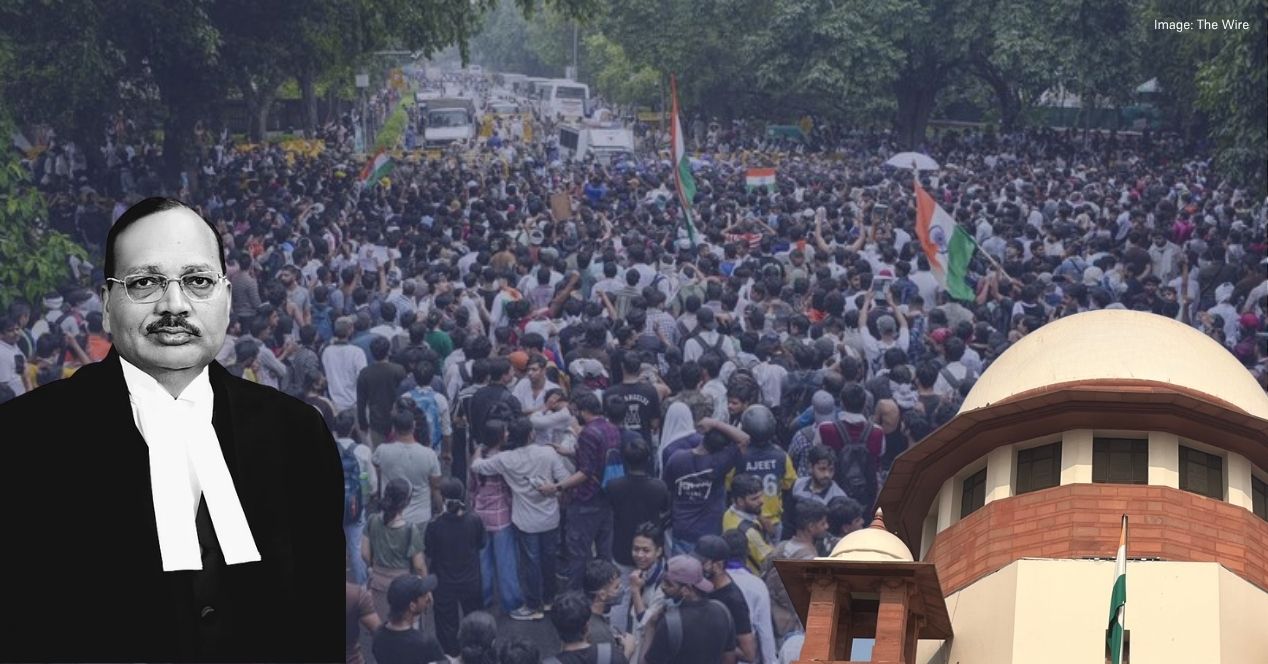
The week that was
While the Court’s not mandated to intervene in the protests, its response at the first instance shaped the public perception towards it
Analysis
Trending: #SupremeCourt
Two years after the top court began livestreaming hearings, concerns about institutional posturing and performative justice remain relevant
Analysis
Getting Digital Access to the Supreme Court
The Supreme Court live streamed Court proceedings for the first time in its history today.