

Channel
Regional Representation of the Supreme Court as of October 2026
Our latest study reveals that seven High Courts have no representation as of October 2026.
Transcript:
Two out of three judges from the recent round of appointments to the Supreme Court hailed from the Allahabad High Court. This makes the largest High Court in India, also the most represented, with four sitting judges in the Supreme Court.
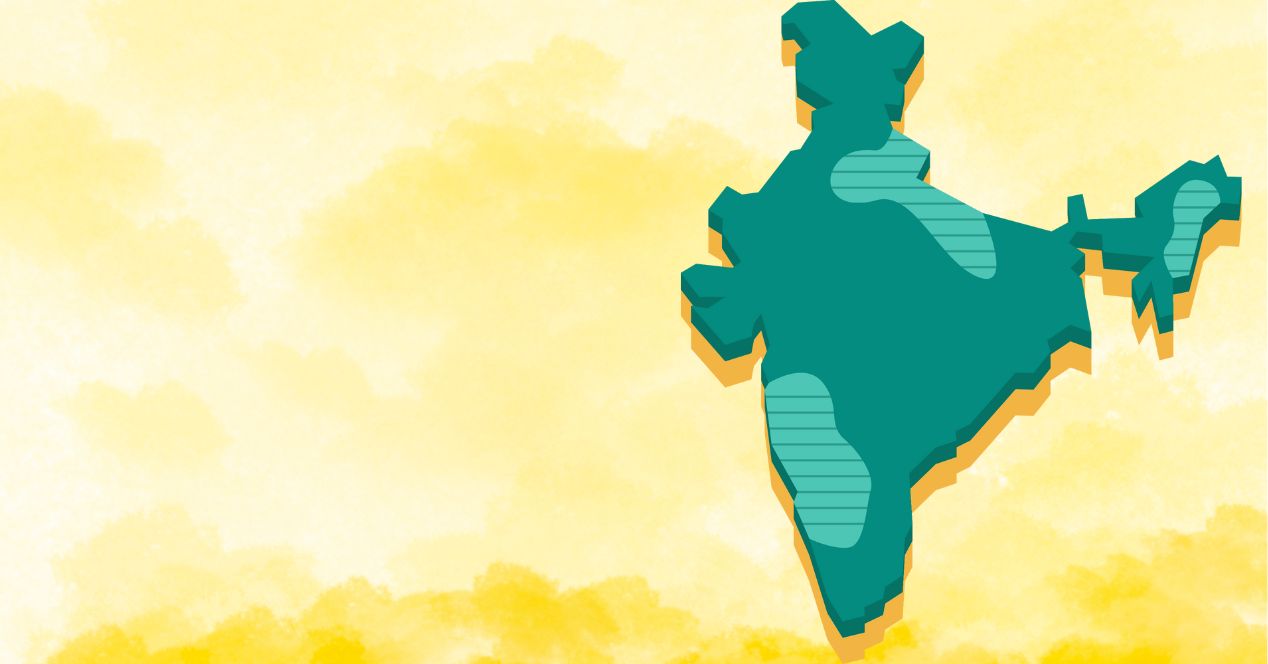
Regional representation is one of the determining factors when it comes to appointments to the Supreme Court. Judges are picked from the 25 High Courts across India. However, our latest study reveals that seven High Courts have no representation as of October 2026. Ever wondered why?
While the Supreme Court is not obligated to represent each High Court equally, the Collegium considers regional representation, among other criteria such as merit, seniority, and integrity, when recommending judges to the top court.
The representation of judges by their parent High Court is not just a symbolic gesture. It is a bid to bring forth the uniqueness of each High Court’s legal and socio-cultural contexts, so that the Supreme Court can be more inclusive and diverse in its functioning.
For instance, Justice K.V. Chandran was recommended within two days of the retirement of Justice C.T. Ravikumar, keeping Kerala’s representation in the Supreme Court intact.
Similarly, collegium resolutions reveal that the former Chief Justice Sanjiv Khanna-led Collegium primarily considered regional representation while recommending Justice Joymalya Bagchi to the top court, noting that there had been no Chief Justice from the Calcutta High Court since 2013 .
Currently, the Supreme Court lacks representation from Jammu and Kashmir, Meghalaya, Orissa, Himachal Pradesh, Sikkim, Tripura and Uttarakhand.
To know more about regional representation, including which High Courts are represented and which are not, read our court-data analysis on Regional Representation in the Supreme Court as of October 2026.
Visit scobserver.in for more such stories told using numbers and data on the Supreme Court.
Related articles
Court Data
Regional Representation in the Supreme Court as of October 2026
Seven out of 25 High Courts in the country are currently not represented in the Supreme Court
Court Data
14 Out of 25 High Courts are Represented at the Supreme Court
With no fixed rules about it, and the recent appointment of nine new judges, regional representation in the Supreme Court has changed.
Court Data
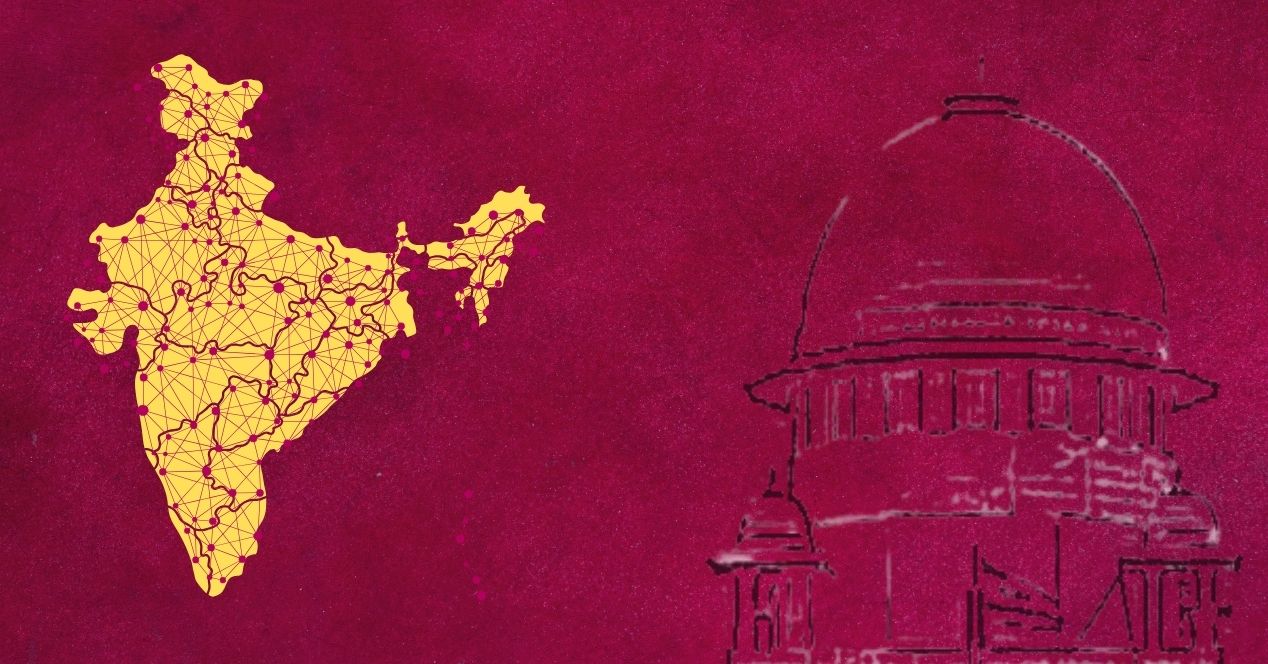
72% of all High Courts are represented in the Supreme Court
Seven out of 25 High Courts lack representation in the top court. This includes four north-eastern states, J&K, Orissa and Jharkhand
Court Data
9 out of 25 High Courts are Not Represented at the SC
Regional diversity is one of the factors the Collegium considers in recommending judges to the Supreme Court.