


Analysis
Due process: The clause the framers refused
A new book argues that due process, which the Constitution deliberately omitted, was never absent—only deferred.

They Created a Nation: The Omnipresence of “Due Process” in the Indian Constitution by N. Kavitha Rameshwar. LexisNexis, 2026. xxxiii + 267 pages.
The framers of the Constitution did not forget due process. They refused it. B.N. Rau pressed the substitution of “due process of law” for “procedure established by law” under Article 21 after Justice Felix Frankfurter warned him against the American clause. Three decades later, the Supreme Court restored substantive due process through Maneka Gandhi v Union of India. N. Kavitha Rameshwar’s first book argues that the omission never mattered. She argues that the phrase was waiting to be read back in.
The title carries a quiet irony. Justice Oliver Wendell Holmes, in Missouri v Holland (1920) wrote, “They created a nation”, addressing the framers of the Constitution of the United States. . Repurposing the address to judges, Rameshwar tributes, “each one of the judges who made this nation what it is today.” The transition, from the framers to the bench, is the crux of the book’s thesis.
The reach is ambitious. Eight chapters carry the reader from the ancient world and Magna Carta, through American due process, to the Indian story.
Chapter 4 dissects the Constituent Assembly’s rejection. Chapter 5 traces the revival from A.K. Gopalan v State of Madras to Maneka Gandhi. Chapter 7—the longest—surveys the modern rights jurisprudence: equality, gender justice, privacy, sexual autonomy, disability and abortion. A former Chief Justice, D.Y. Chandrachud, writes the foreword. A sitting judge, Justice J. B. Pardiwala, supplies the introduction.
The book, as the author argues, is not a celebratory survey. Her sharpest thrust is aimed at Rau, whose advice to drop due process, she contends, rested only on the discredited economic doctrine of the Lochner era.
Although the American Courts had themselves repudiated the Lochner era by the late 1930s, the premise had collapsed before India absorbed the lesson. Pressing further, the author notes that the tumult surrounding the Assembly’s decision casts “a lasting dark shadow” on its original intent. In her telling, the omission never earned the authority later claimed for it.
The doctrinal chapters reward attention. They include Justice Fazl Ali’s lone dissent in Gopalan, which read Articles 19, 20, 21 and 22 as overlapping two decades before the Court did. Rameshwar then follows that minority instinct forward. In Kharak Singh v State of Uttar Pradesh in 1962, Justices K. Subba Rao and J.C. Shah dissented against police surveillance of a man acquitted for want of evidence. The regulations allowed nocturnal visits to his home, secret picketing and the shadowing of his movements. The majority struck down only the night visits, and held that the Constitution guaranteed no right to privacy.
Subba Rao and Shah went further. They read personal liberty in Article 21 broadly, treated the fundamental rights as interlocking rather than sealed in separate compartments, and found a right to privacy latent in Article 21 though the text nowhere names it. That dissent, rejected in 1962, triumphed in Maneka Gandhi in 1978, and was enshrined by the nine judges in Puttaswamy in 2017, long after both had left the Court.
Chapter seven then catalogues the “devices” by which the Court enforces due process: manifest arbitrariness under Article 14, the reasonableness review of Article 19, and the proportionality standard. For a practitioner, this taxonomy is the book’s most useful yield. It maps the machinery, not merely the rhetoric.
The comparative canvas is unusual for a practitioner’s book. She reads Plessy v Ferguson through Justice Harlan’s dissent, Lochner through Holmes, and the equal-protection story through Ruth Bader Ginsburg. She traces the basic structure doctrine to the German scholar Dietrich Conrad, and its “basic feature” phrasing to a borrowing from the Pakistan Supreme Court. The book is candid that Indian constitutionalism has always borrowed, which, in turn, is a welcome candour.
Yet, the method belongs almost wholly to one scholar, Jack Balkin of Yale. His elegant “living originalism” framework supplies the synthesis that Chapters 5, 6 and 7 keep reaching for, the “magic middle ground” between text and adaptation. Rameshwar applies it to a Constitution that expelled the clause but the book never quite tests whether the transplant holds.
That gap matters. Rameshwar scrutinises Rau’s borrowing with rigour around Chapter 5 where she weighs the “particularist” against the “universalist” approach to foreign precedent. This scrutiny stops short of her own work. A theory of legitimate borrowing, offered to settle a quarrel about whether borrowing was legitimate, ought to examine its own credentials. The book mostly assumes them instead.
A second difficulty follows. Counter-majoritarian objections may arise out of the revival of due process at the judge’s preference. Rameshwar sees it coming. Her preface insists she does not mean to belittle the legislature but only invokes transformative constitutionalism, and constitutional morality to justify the courts filling the gaps the legislature leaves. Justice Pardiwala’s introduction reaches for the same shield, citing the “Lakshman Rekha” the Bench must not cross.
Anticipation, though, is not rebuttal. The book meets the objection by restating the values that provoke it. The harder question, of who decides when the legislature has failed, stays open.
To her credit, Rameshwar does not flinch from the doctrine’s troubles abroad. A full section asks why Dobbs v Jackson Women’s Health Organization is a litmus test for proportionality. Even as the United States retreat from substantive due process, her work reads retreat as a failure of proportionality rather than a verdict on the doctrine. The reading is as defensible as it is convenient, for it lets the Indian story proceed untroubled by the American reversal.
The gender-justice chapter is the book at its most vivid and most exposed. Rameshwar parallels the Indian equality doctrine beside Ginsburg’s brief in Frontiero, that romantic paternalism puts women “not on a pedestal, but in a cage.” The pairing illuminates and flatters the Indian record by association. The cross-over between a litigator’s incremental strategy in Washington and a Constitutional Court’s sweeping declarations in Delhi entertains more than it explains.
The framing invites one further observation. With the former Chief Justice writing the foreword, the book celebrates the very judgements the former CJI shaped, among them K S Puttaswamy v Union of India, Navtej Singh Johar v Union of India and Joseph Shine v Union of India. Rameshwar further cites his recent book and lectures. None of this is improper; it is the way of legal publishing in India. But the taxonomy that sorts judges into “pedantics, pathfinders and pathbreakers,” tilts the register towards tribute. Due process becomes the Constitution’s “tireless and unspoken warrior.” Readers who take their constitutional history cooler will notice.
There is also the matter of company. Abhinav Chandrachud’s Due Process of Law (2011) mapped the same arc. Rameshwar walks that ground again. Her addition is the wider comparative frame and the Balkin synthesis.
What, then, has the book achieved? It is a readable, wide-angled and frankly partisan brief for substantive due process. It will serve the student and the practitioner who want the story told with conviction and comparative colour. It will frustrate the reader who wants the doctrine put through a critical scrutiny. Rameshwar wants due process raised into the basic structure, beyond the reach of amendment. Her conclusion treats that elevation as already accomplished, an “indelible and timeless mark.”
The framers wrote four words, “procedure established by law,” to keep the judges at bay. The judges walked back in. Whether that return is the Constitution’s triumph or its standing dilemma is among the oldest questions in Indian constitutional law. Rameshwar answers it with a partisan’s certainty. That certainty is the book’s charm, and its limit.
Related articles
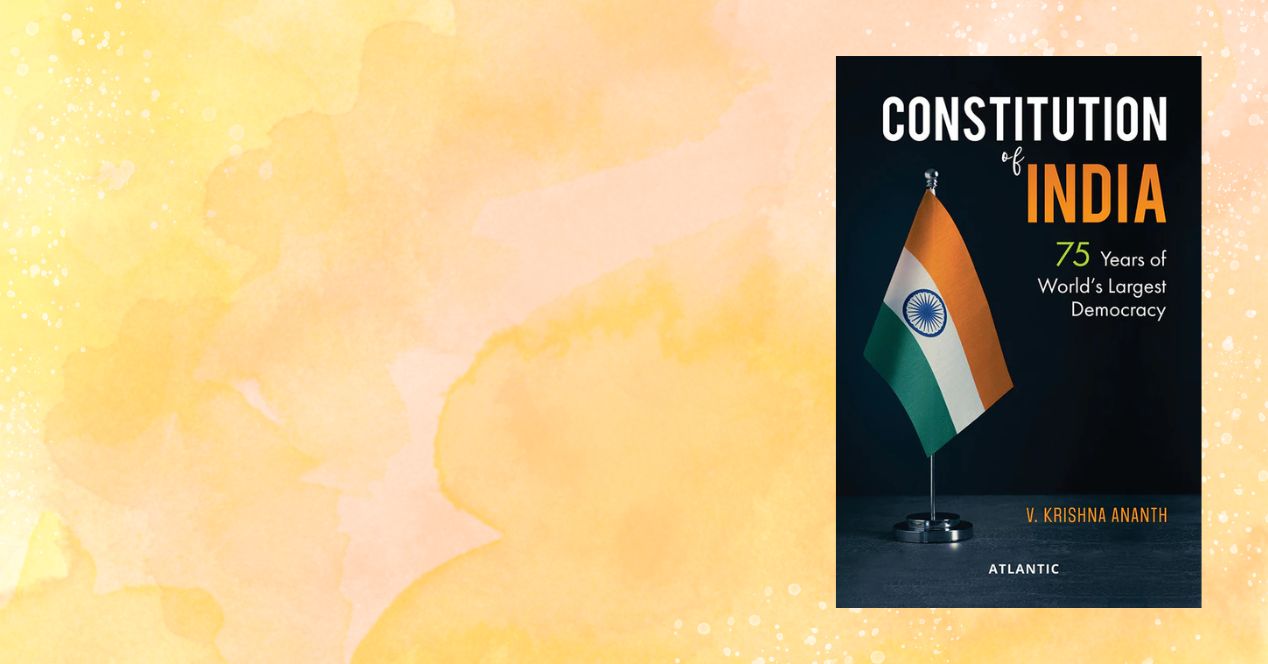
Analysis
Seventy-Five years on: A Constitution still in negotiation
V. Krishna Ananth’s book argues that authoritative tools were a foundational compromise in the Constitution
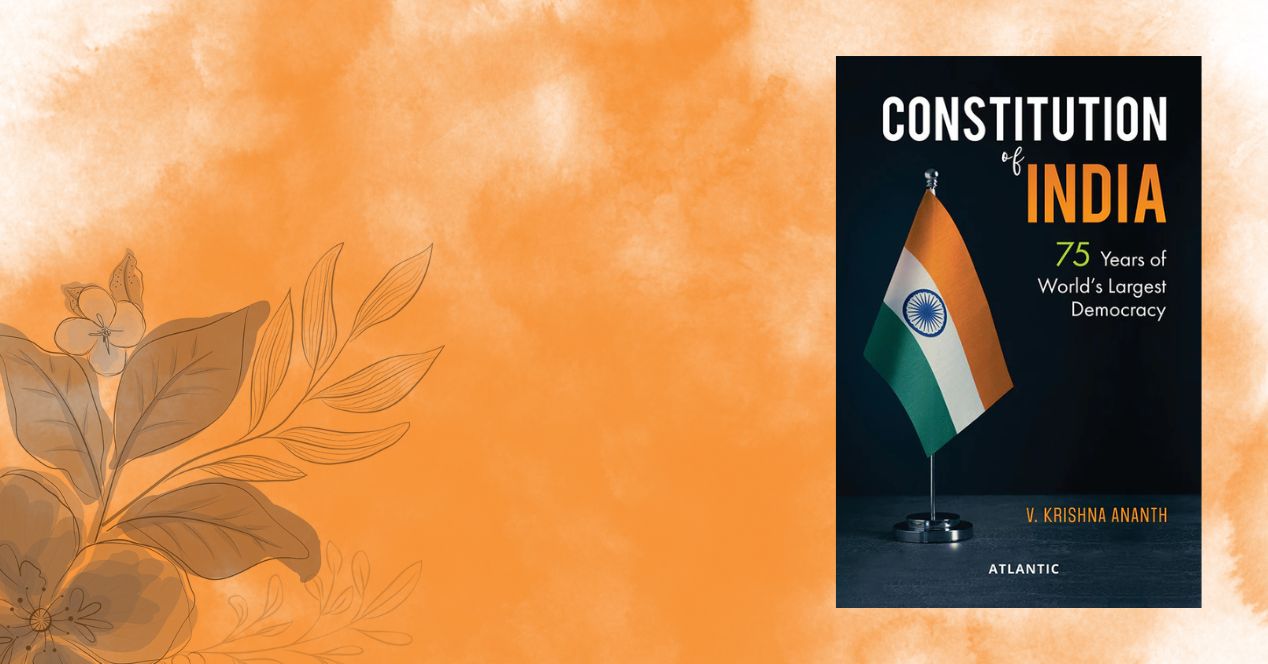
Analysis
“The Supreme Court treated the Constitution as lex rather than jus”
In this excerpt from the conclusion of a new book, V. Krishna Ananth argues that the SC has often downplayed the aspirations of the framers
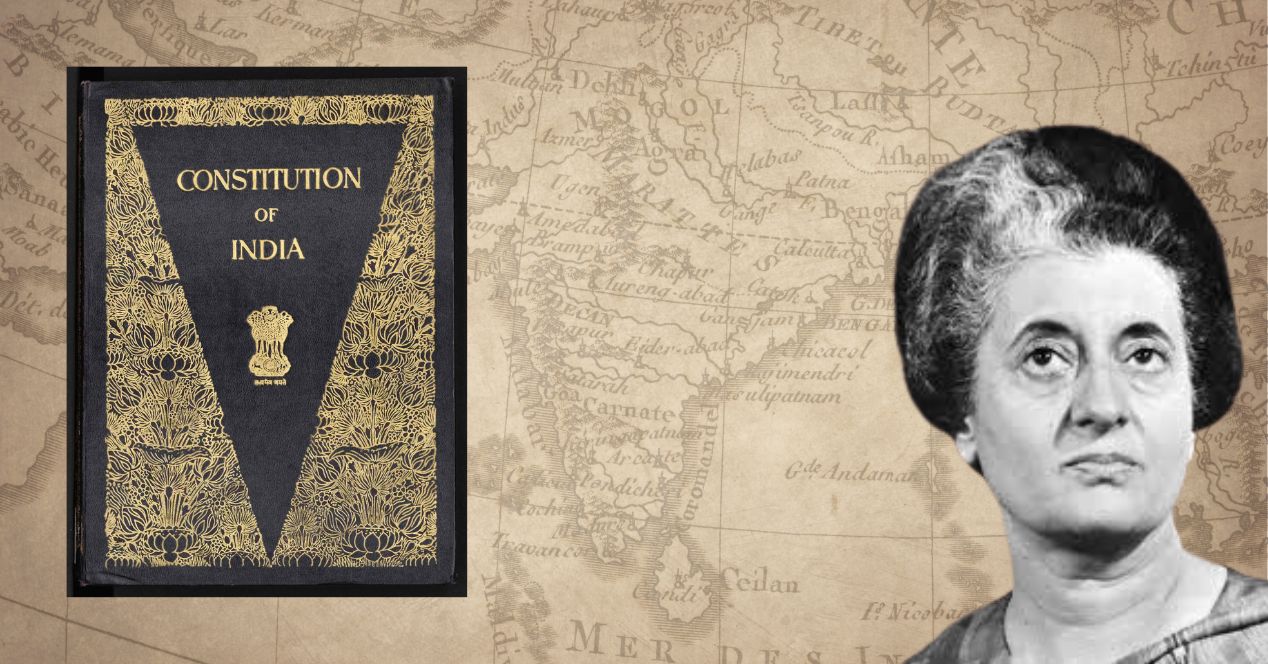
Analysis
On civil liberties and the Supreme Court, there is little to celebrate since the Emergency
Fifty years since the Emergency, a reflection on personal liberty from the lens of the UNHRC’s periodic review of ICCPR implementation
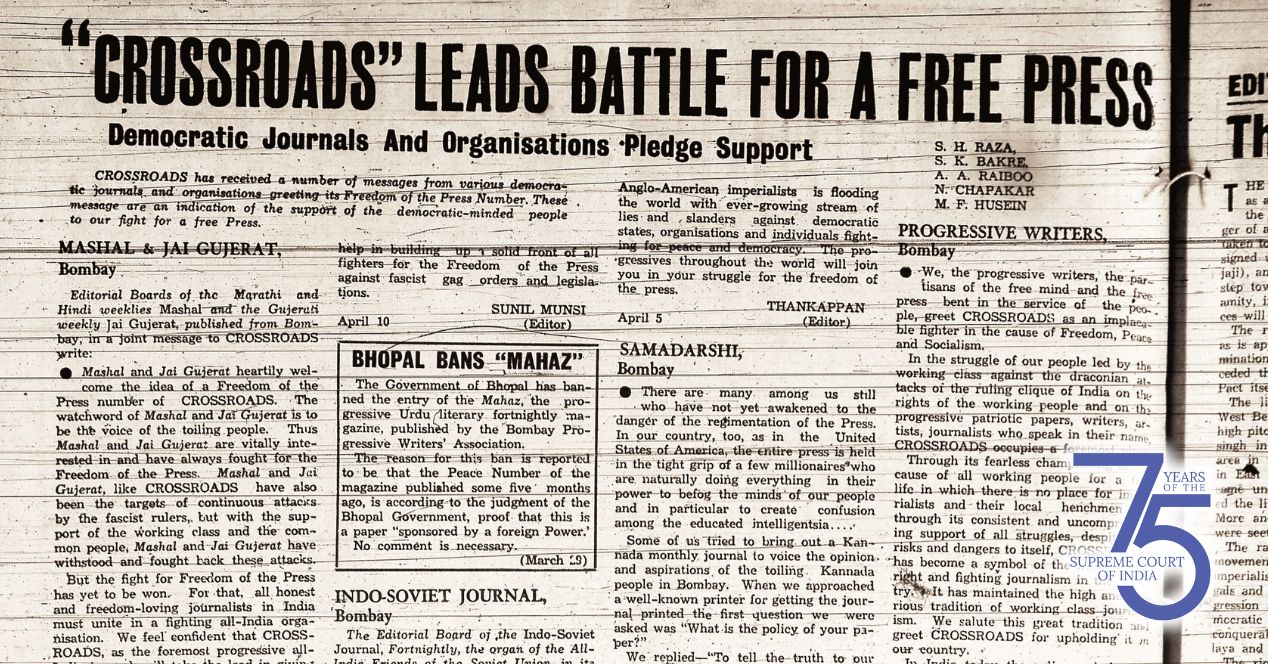
75 Years of SC Articles
Freedom of Speech and Constitutional Nostalgia
A look at one of the SC’s earliest landmark decisions and its fallout warns against an uncritical veneration of our constitutional past