


Analysis
Independence of Election Commissioners | Court in review
A history of developments on the procedure for appointment and removal of Election Commissioners
1972
Joint Parliamentary Committee
A joint committee set up by the Lok Sabha and Rajya Sabha submitted a report on electoral reforms, recommending that the Election Commission of India (ECI) be made a multi-member body. It is referred to in the Goswami Committee report and T.N. Seshan v Union of India (1995).
1975
Committee for Democracy
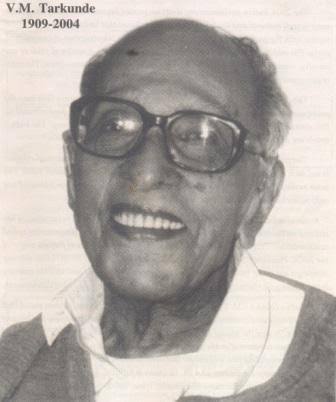
The Citizens for Democracy, a civil society organisation led by Jayaprakash Narayan appointed an independent committee headed by V.M. Tarkunde, a former judge of the Bombay High Court. It recommended that the ECI be made a multi-member body and that members should be appointed by the President on the advice of a committee comprising the Prime Minister (PM), the Leader of Opposition (LoP) and the Chief Justice of India (CJI).
The report disapproved the practice of appointing retired government officials to the ECI, noting that the ECI must not only be independent but also “manifestly appear to be so”.
1990
Committee on Electoral Reforms
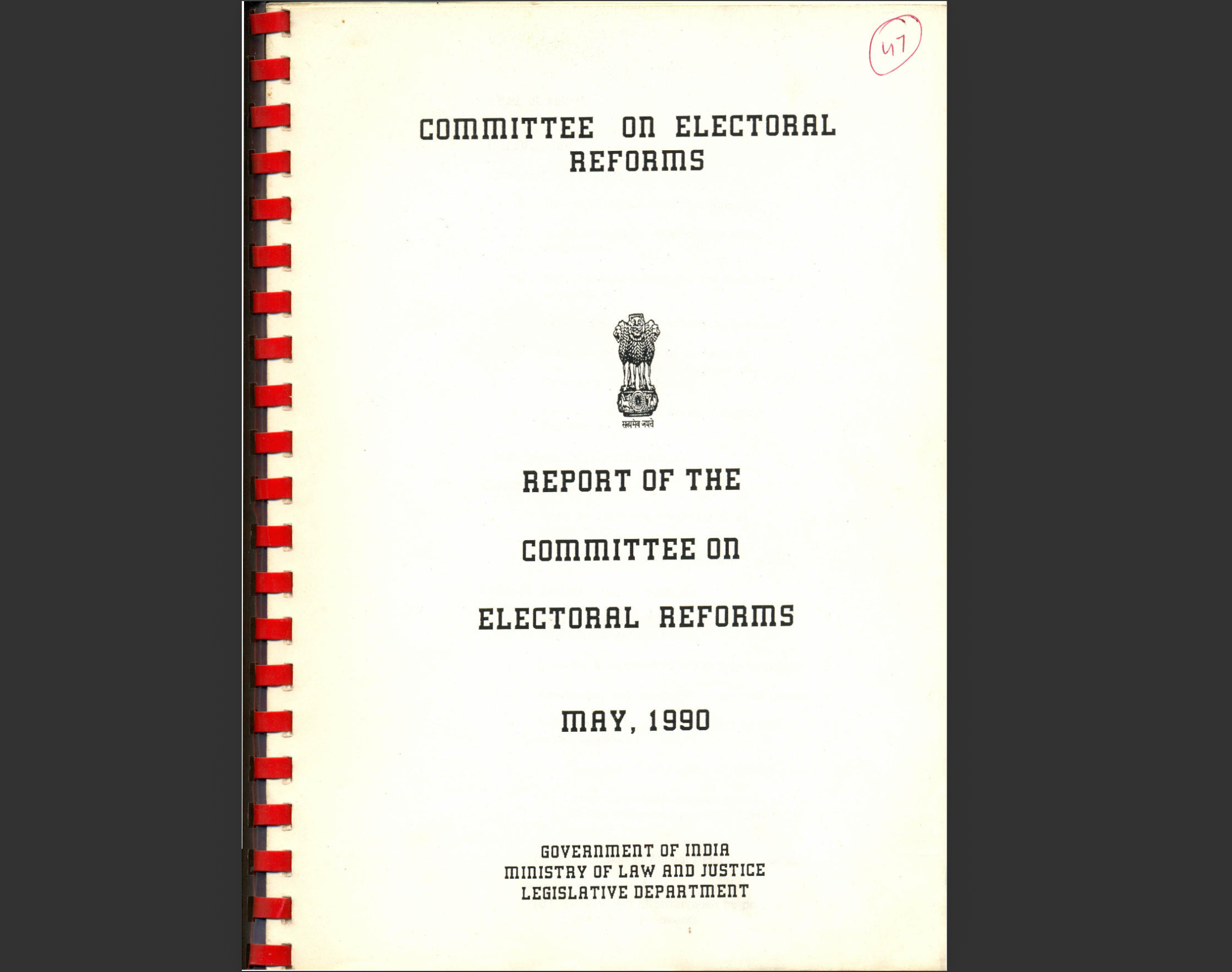
PM V.P. Singh appointed a Committee headed by Law Minister Dr. Dinesh Goswami. It recommended that the ECI be made a multi-member body with two Election Commissioners (ECs) in addition to the Chief Election Commissioner (CEC). The appointment of the two ECs was recommended to be made by the President in consultation with the CJI, the LoP and the CEC.
To secure independence of the ECI, the Committee proposed protection of salary, voting on expenditure and a bar on members being appointed to government posts after expiry of their term.
January 1991
The CEC and other Commissioners (Condition of Service) Act
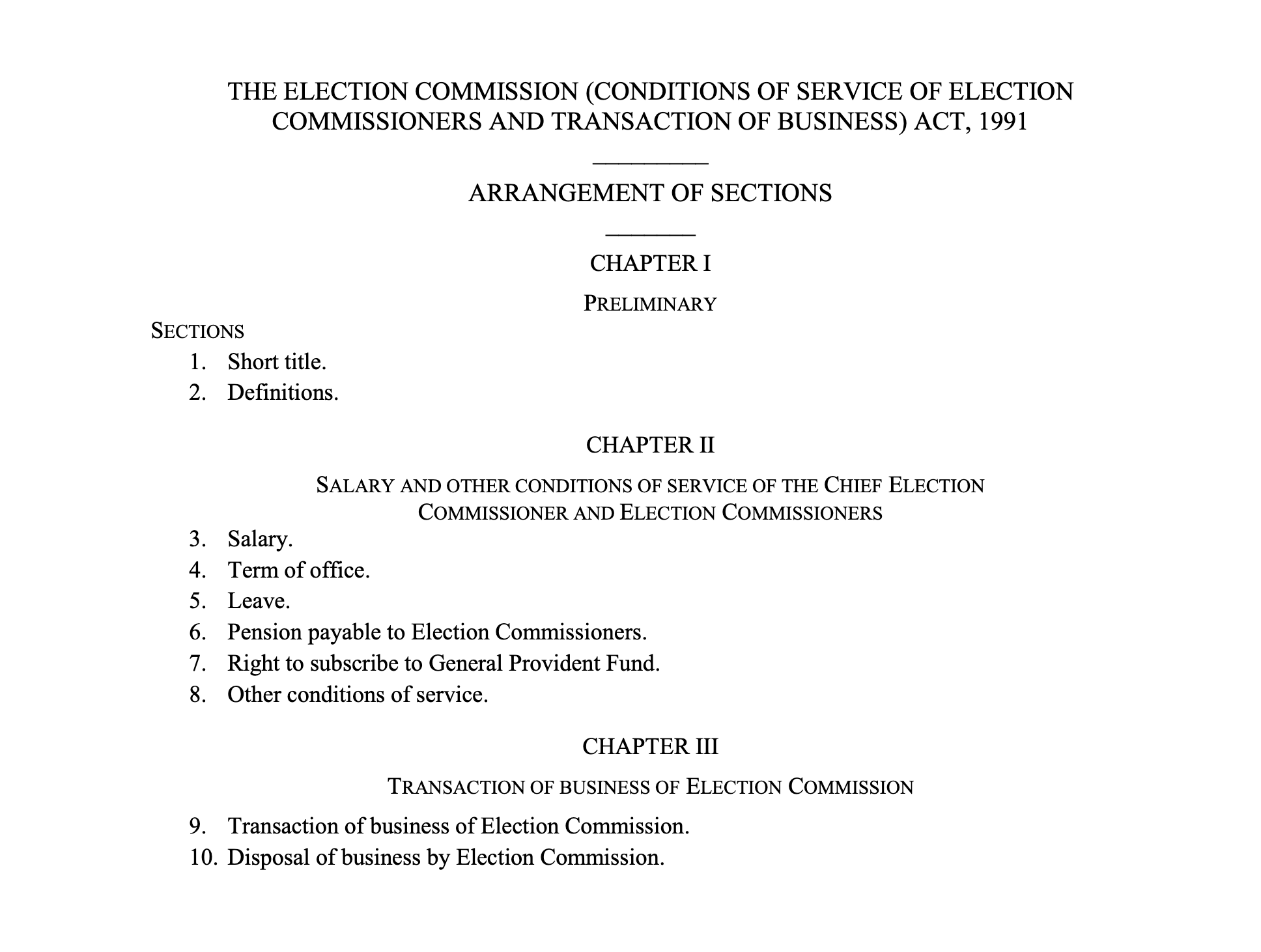
The CEC and other Commissioners (Condition of Service) Act was enacted in January. It laid down the salary, terms of office, leave, pension and terms for transaction of business by the ECI. On appointments, it stated that the CEC and the ECs will be appointed as per Article 324 of the Constitution.
July 1991
S.S. Dhanoa v Union of India
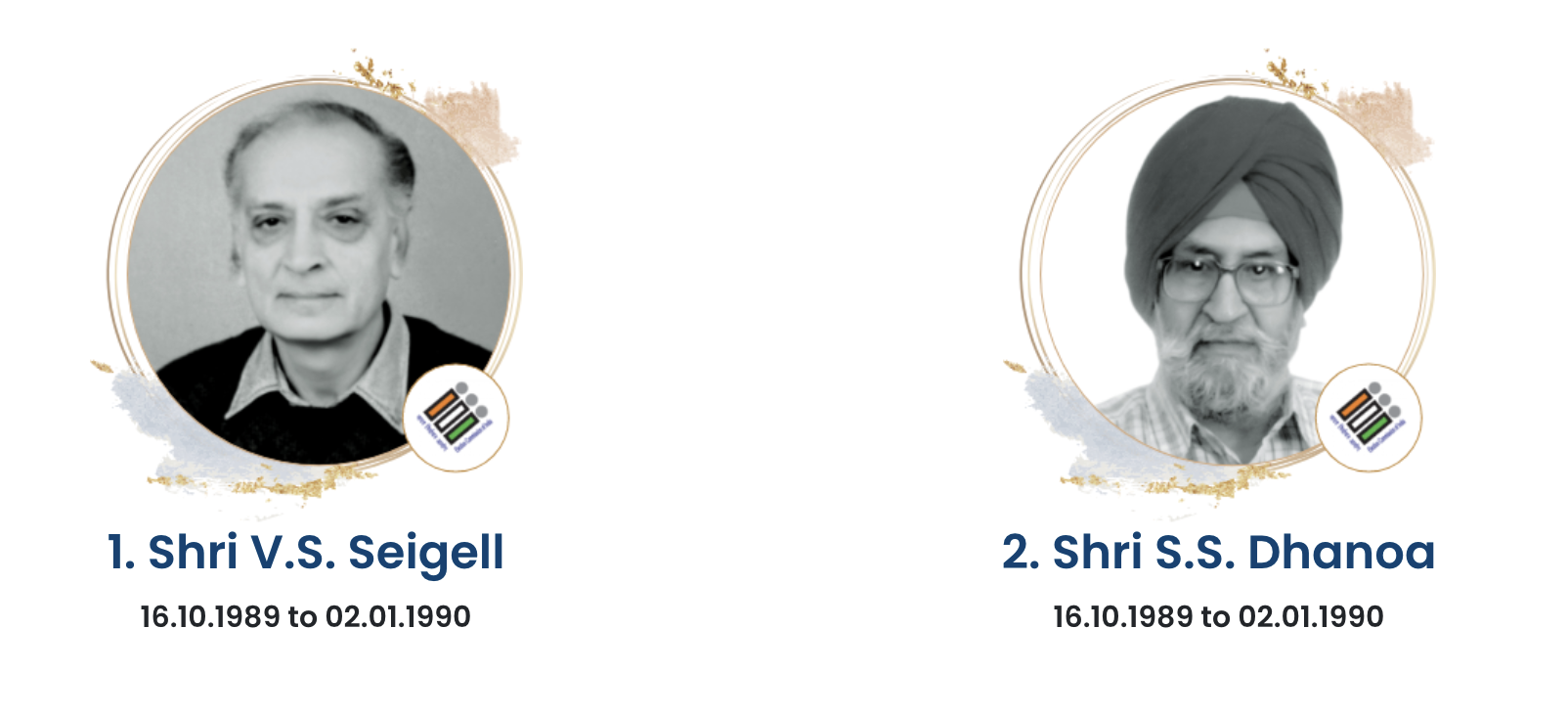
In 1989, a month before the General Election, President R. Venkataraman issued two notifications and expanded the ECI to a three-member body, appointing S.S. Dhanoa and V.S. Seigell as the new ECs. Both notifications were withdrawn in January 1990. Dhanoa challenged the move before the Supreme Court, contesting the procedure for removal of ECs and alleging malafide intention of then CEC R.V.S. Peri Sastri.
On 24 July 1991, a Bench of Justices P.B. Sawant and M.H. Kania held that removal of ECs and changes to the number of ECI members were well within the powers of the President under Article 324. Appointment of the CEC is a must but with ECs it is “not obligatory”. Observing hampered functioning of the ECI due to lack of clarity on the role and position of ECs, it stated that CEC is placed on a “distinctly higher position” analogous to that of the PM or Chief Minister vis-a-vis the Council of Ministers. It noted CEC Sastri’s 1986 letter to the law minister in support of a multi-member body and found no case of malafide intent or premature termination.
1995
T.N. Seshan v Union of India
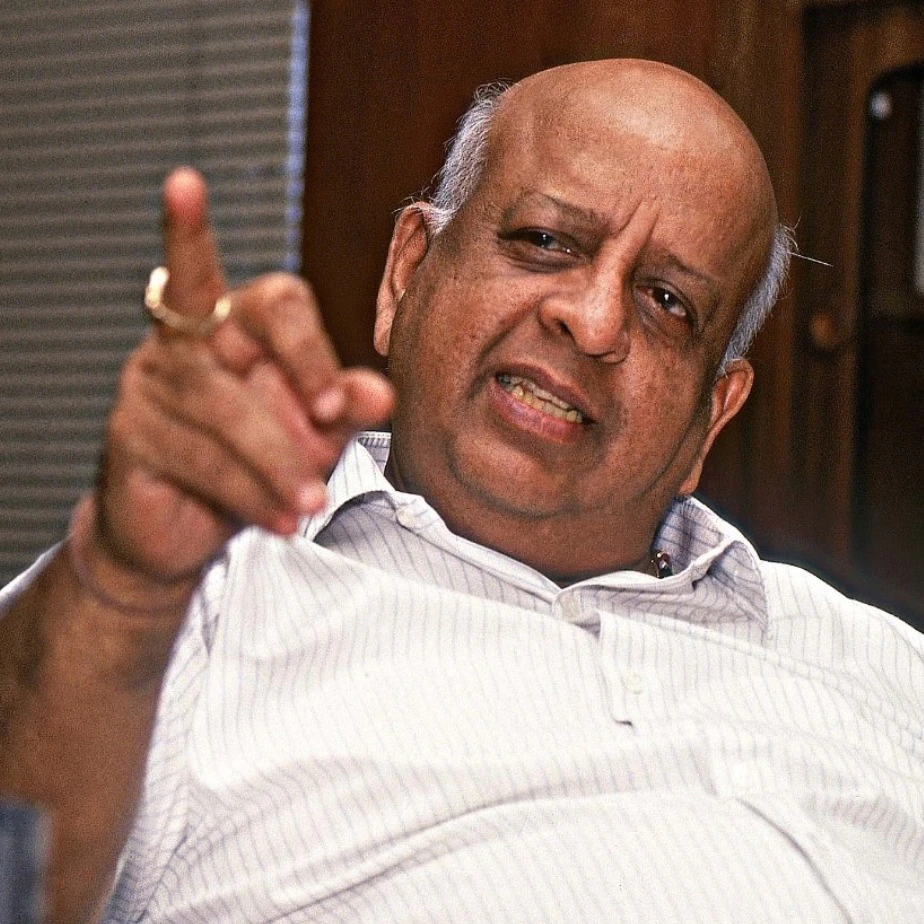
In 1993, President S.D. Sharma promulgated an Ordinance amending the 1991 Act to fix the number of ECs at two. They were placed on par with the CEC in terms of salary, age of superannuation and other benefits. M.S. Gill and G.V.G. Krishnamurthy were appointed as ECs. CEC T.N. Seshan challenged the Ordinance as ultra vires and alleged that the move was driven by malafide intent of the ruling Indian National Congress party.
On 14 July 1995, a five-judge Bench led by CJI A.M. Ahmadi upheld the validity of the Ordinance and a multi-member ECI. It clarified that the CEC’s permanent office and protections against removal cannot be read as “an indicia for conferring higher status” and that the CEC is not superior to other commissioners. Decisions may be made by the rule of majority only if they cannot be arrived at unanimously. It found no case of malafide intent as the proposal for a multi-member body was a long-standing one.
2004
ECI’s proposed electoral reforms
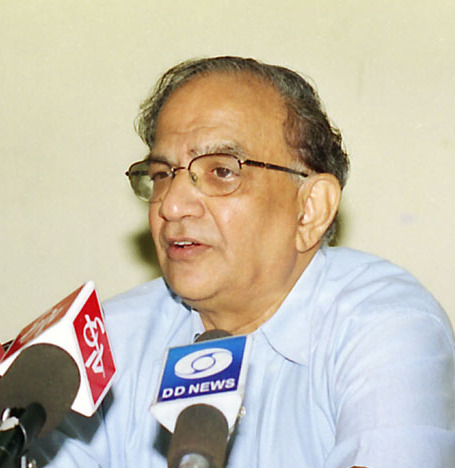
The ECI through CEC T.S. Krishna Murthy proposed 22 electoral reforms to the government after the 2004 General Election. Recommendation #12 pertained to the composition of the ECI, constitutional protection of all its members and the need for an independent Secretariat. Approving the increase in number of members to three, it stated that the number should not be “unduly large and remain two as presently fixed.”
Noting the absence of protection for ECs from removal, it opined that Article 324(5) is “inadequate and requires an amendment” to extend the safeguard provided to the CEC.
2007
Fourth Report of the Second Administrative Reforms Commission
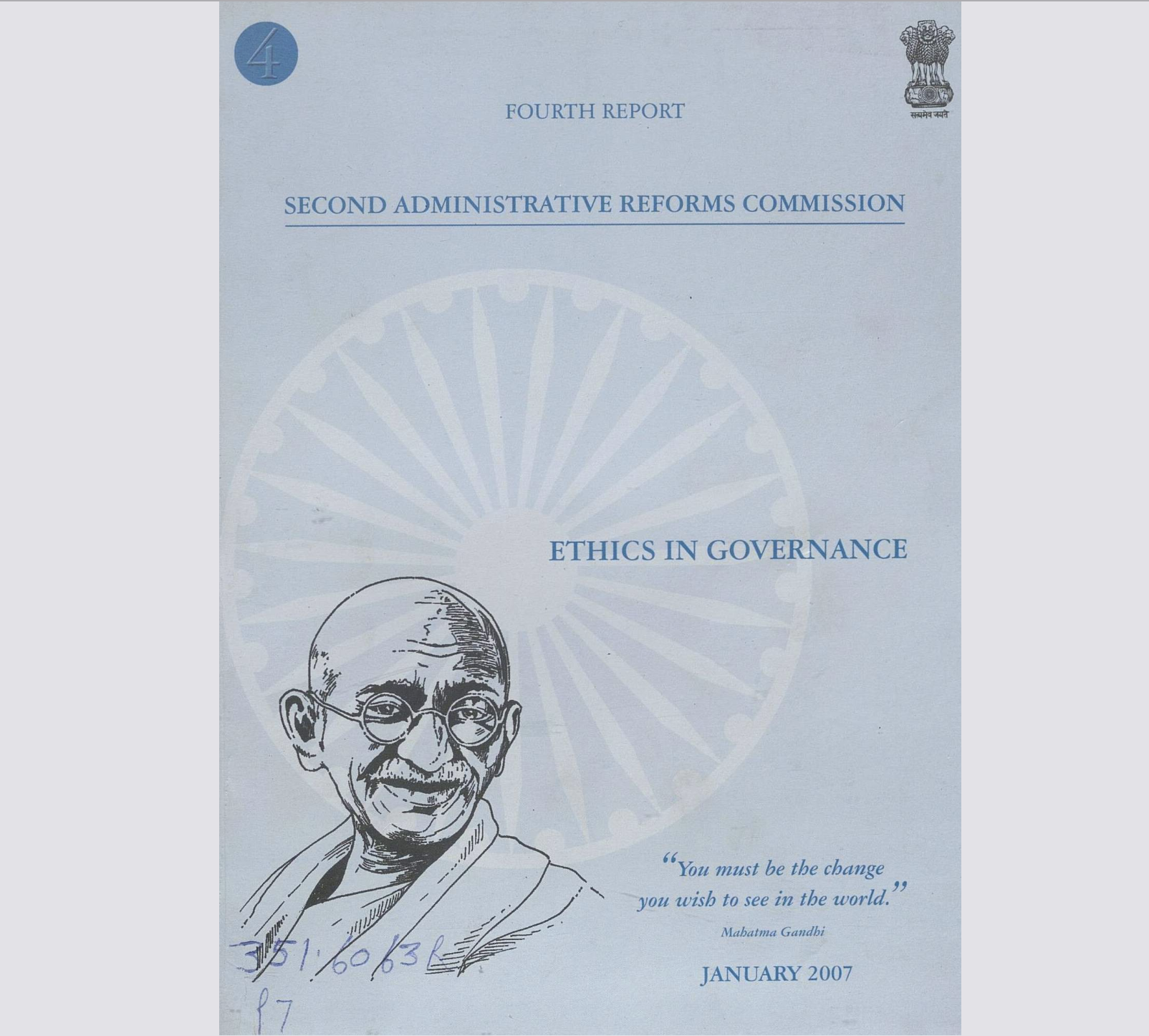
The ARC chaired by Veerappa Moily submitted its report “On Ethics in Governance” in January 2007. It recommended that the CEC and other ECs be appointed by a broad based Collegium “above all partisan consideration”. Taking note of Constituent Assembly suggestions for the CEC’s appointment to be confirmed by a ⅔ majority of both Houses in order to enjoy the confidence of all parties, the ARC sought a committee similar to those established for the National Human Rights Commission and the Central Vigilance Commission.
It recommended a collegium headed by the PM, with the Speaker of the Lok Sabha, the LoP, the Law Minister and the Deputy Chairman of the Rajya Sabha as members.
2015
Law Commission of India’s 255th Report
Chapter VI of the report centred on strengthening the ECI. Drawing from T.N. Seshan and previous reports, it observed that “it is clear” that the CEC only functions as “a first among equals” vis-a-vis the other ECs. Amendments were recommended to Article 324(5) in order to reflect this status and provide the same removal procedure for ECs as is provided for the CEC.
After a comparison of practices in South Africa, Ghana and Canada, the Commission then stated that it is “imperative” for the method of appointments to be a consultative process in order to maintain the ECI’s neutrality and shield its members from executive interference. The Goswami Committee proposal for a three-member collegium was adopted with modifications to recommend a body comprising the PM, the LoP and the CJI.
The Commission further recommended elevation of ECs based on seniority and the establishment of an independent secretariat.
2023
Anoop Baranwal v Union of India
Acting on a PIL filed in 2015, a five-judge Bench modified the method of appointments to the ECI to provide an interim mechanism in the absence of the Parliamentary law referred to in Article 324. Drawing from the Goswami Committee report and the LCI’s 255th report, it directed appointments be made by the President in consultation with a committee comprising the PM, the LoP and the CJI.
While it refrained from ruling on the creation of an independent secretariat, Justice Ajay Rastogi wrote a concurring judgement in favour of extending protections against removal to all ECs.
2023
CEC and other ECs (Appointment, Conditions of Office and Terms of Office) Act
Nine months after Anoop Baranwal, the Parliament passed a law for appointments to the ECI. This law laid down that appointments would be made by the President in consultation with a committee comprising the PM, the LoP and a Union Cabinet Minister nominated by the PM.
2026
Jaya Thakur v Union of India
A month after the 2023 Act was passed, the law was challenged before the Supreme Court as violative of the Constitution Bench decision in Anoop Baranwal. In March 2024, two new ECs were nominated by a committee constituted under the 2023 Act. Following a series of recusals, the matter was taken up in May 2026 by a Division Bench of Justices Dipankar Datta and S.C. Sharma. In September, the Bench unanimously referred the challenge for consideration by a larger bench despite a split verdict on the need for a reference.
Related articles
Analysis
CEC powers: 10 key objections and the ECI’s responses
A rundown of the ECI's counter affidavit in the challenge against the powers of the CEC
Analysis
Election Commission: 4 Must Reads
We have curated a set of must-reads that examine the practices of the Election Commission in recent times and its interaction with the SC.
Analysis
Sequel Season
Recent challenges to the ECI’s exercise of plenary powers has left onlookers anticipating a legal sequel
Analysis
Why the challenge to the Election Commissioners law must be heard by five judges
Whether the selection committee may have an executive majority is yet to be judicially settled.