


Definition of “Industry”
State of Uttar Pradesh v Jai Bir Singh
A nine-judge Bench of the Supreme Court will reconsider its 1978 decision which gave a wide interpretation to the definition of 'industry' under the Industrial Disputes Act, 1947, leading to a higher standard of labour rights for more people..
Pending
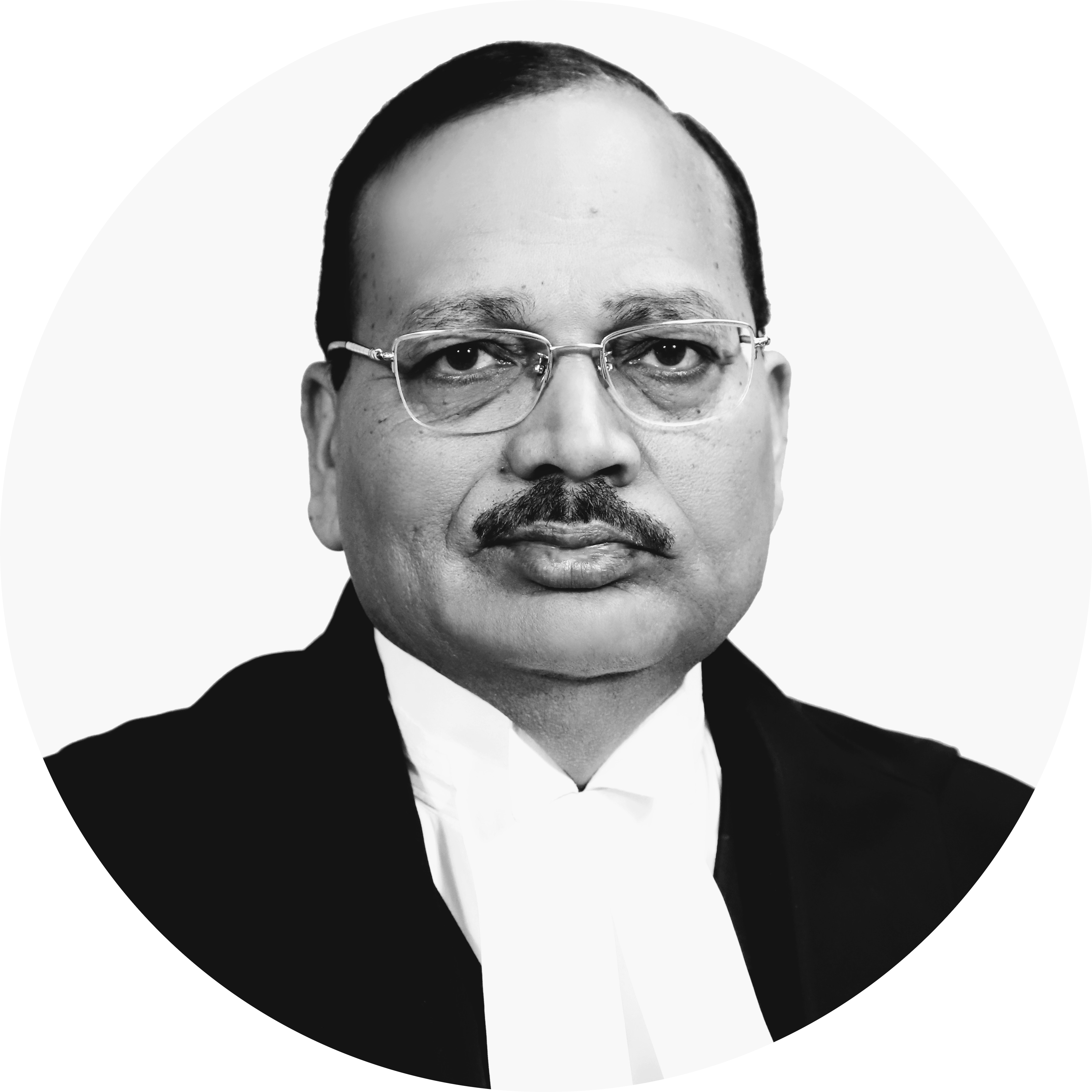
Surya Kant CJI

B.V. Nagarathna J

P.S. Narasimha J

Dipankar Datta J
Ujjal Bhuyan J
S.C. Sharma J
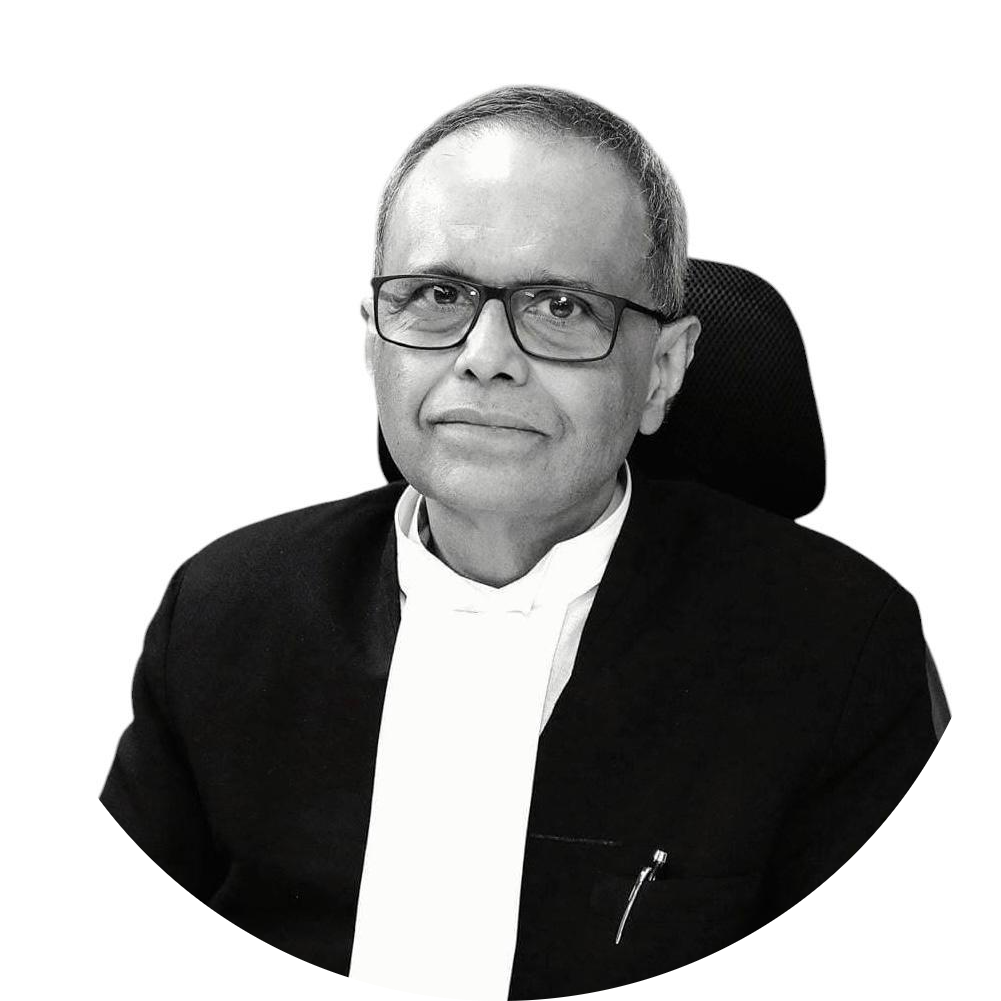
Joymalya Bagchi J
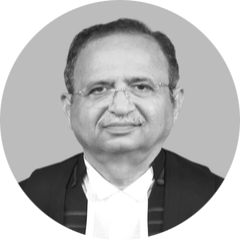
Alok Aradhe J
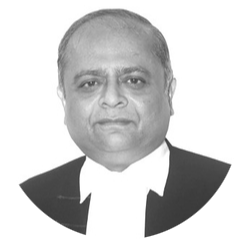
V.M. Pancholi J
Parties
Petitioner: Union of India, State of Uttar Pradesh, State of Maharashtra and University of Mumbai, State of Karnataka, State of Punjab, Central Council for Research in Ayurveda & Siddha and Central Rainfed Upland, Rice Research Station, Hazaribagh; State of Haryana, All India Institute of Medical Sciences; M/s Shree Gopal Krishna Gosala, Cuttack; State of Madhya Pradesh
Lawyers: Attorney General R. Venkataramani, Additional Solicitor General KM Nataraj, Senior Advocate Shekhar Naphade, Senior Advocate Sanjay Hegde, Senior Advocate Shadan Farasat, Advocate Madhu Sikri, Advocate Samar Vijay Singh, Advocate Anand Varma, Advocate Vivek Sharma, Advocate Anirudh Sanganeria, Advocate Harmeet Ruprah
Respondent: Jai Bir Singh; Bhartiya Mazdoor Sangh, Ramji Singh, New Trade Union Initiative, Serva Sharamik Sangh, H. Sundar, All India Trade Union Congress, Centre of Indian Trade Union, Thamate Centre for Rural Empowerment, Rajesh, Brijesh Kumar Sharma, Marigowda, Mahender Singh, Om Prakash, Meenaben Vinodrai Jetty, RD Naik, Gangadhar, Shruti Chandrashekhar, Moghe, Ashik Kumar Behera, D. Renganathan, Workmen Rep. Secy. Anusandhan
Lawyers: Senior Advocate Indira Jaising, Senior Advocate Bharat Sangal, Senior Advocate CU Singh, Senior Advocate Colin Gonsalves, Senior Advocate Gopal Sankaranarayanan, Senior Advocate PV Surendranath, Senior Advocate Jayna Kothari, Advocate Ashok Kumar, Advocate Shivam Singh, Advocate Nidhi, Advocate Kedar Nath Tripathy
Intervenor: New Trade Union Initiative
Lawyers:
Case Details
Case Number: CA 897/2002
Next Hearing: March 17, 2026
Last Updated: April 8, 2026
Key Issues
Whether the definition of ‘industry’ under Section 2(j) of the Industrial Disputes Act, 1947 (ID Act) should be read restrictively?
Whether the majority judgment in the Bangalore Water Supply case was a unanimous judgment?
Whether a restrictive reading of ‘industry’ under the ID Act will be in line with the objective of the ID Act to promote a harmonious relationship between the employer and the employee?
Case Description
On 21 February 1978, a seven-judge Bench delivered the landmark ruling in Bangalore Water-Supply & Sewerage Board v R. Rajappa. Adopting an expansive “worker-oriented” approach, the Court laid down the “Triple Test”, effectively holding that nearly organised activity, including hospitals, universities and charitable institutions, fell within the definition of “industry” in Section 2(j) of the Industrial Disputes Act, 1947.
Bangalore Water-Supply held that an “industry” exists wherever there is systematic activity organised through cooperation between an employer and employees for the production of goods or rendering of services. The Court held that the legal premise that as a ‘worker-oriented statute,’ the construction of the ID Act must have the worker and the community as its ‘conceptual keynote thought.’ This interpretation was based on the constitutional concern for workers and community as reflected in Articles 38, 39 and 43. Although Section 2(j) sets down the criteria for ‘industry’, Bangalore Water Supply broadened its interpretation to cover welfare bodies and liberal professions, irrespective of profit motive.
This wide definition led to a “cleavage of opinion” among various benches. In the case of Chief Conservator of Forests v Jagannath Maruti Kondhare (1996), a three-judge Bench of then Chief Justice S.P. Bharucha, and Justices K. Ramaswamy and K.S. Paripoornan held that “Social Forestry” was an industry. Although the department was a welfare scheme dedicated to environmental improvement, the Bench concluded that it met the 1978 criteria for an industry. However, in 2001, a two-judge Bench in State of Gujarat v Pratamsingh Narsinh Paramar, held that “Social Forestry” is not an Industry but a welfare scheme undertaken by the state for improvement of the environment. Parliament attempted to narrow the definition through the 1982 Amendment Act, but the amendment was never notified.
The State of Uttar Pradesh, National Remote Sensing Agency and the Coir Board approached the Supreme Court seeking reconsideration of the 1978 judgement. In May 2005, a five-judge Constitution Bench observed that the judgement had led to a “docket explosion” in labour courts. The petitioners argued that the decision was not unanimous, and that welfare activities discharged by the state in a constitutional democracy are sovereign in nature and should not be subjected to the rigors of the ID Act. On 5 May 2005, the Bench referred the case for reconsideration to a larger Bench. It recorded Justice Krishna Iyer’s cautionary words which stated that the Bangalore Water-Supply decision created a “definitional expansionism” and added that it created an “industrial hazard”.
In January 2017, a seven-judge bench, led by then CJI T.S. Thakur directed the reference be placed before a nine-judge bench. On 16 February 2026, a bench of Chief Justice Surya Kant and Justices Joymalya Bagchi and V.M. Pancholi directed that final arguments on the scope of “industry” would commence from 17 March 2026. The Court has allotted two days for the nine-judge Constitution Bench to answer the questions arising from the 2005 reference.
The current reference aims to achieve primarily the following objectives:
- To determine if the 1978 “Triple Test” remains correct law and to assess the legal impact of subsequent legislation, specifically the 1982 Amendment Act and the Industrial Relations Code, 2020.
- To conclusively define the scope of “sovereign functions” and clarify whether welfare activities and schemes undertaken by Government Departments constitute “industrial activities” under Section 2(j).
- To resolve the long-standing “fog” regarding whether liberal professions like doctors, lawyers, and teachers should be treated as industries or if such intellectually-driven occupations should remain outside the Act’s purview.
- To adjudicate any other legal questions that may arise during the hearing to provide a conclusive declaration on the ambit of the Act.
The Court is expected to re-examine the “Dominant Nature Test”, which determines whether the predominant character of an establishment defines its status under Section 2(j), even if certain departments perform non-industrial functions.
The nine-judge bench will also examine the principle of “severability”, namely, whether specific industrial units within a government department can be treated as an “industry” even if the department itself is exempt from the definition of “industry” under Section 2(j) of the Industrial Disputes Act, 1947.
The Court aims to close arguments by 18 March. The final composition of the nine-judge Bench is yet to be notified.