


Analysis
Jail is the rule
Media commentary has been almost unanimous in calling out the Court’s flimsy legal reasoning in its denial of bail to Khalid and Imam
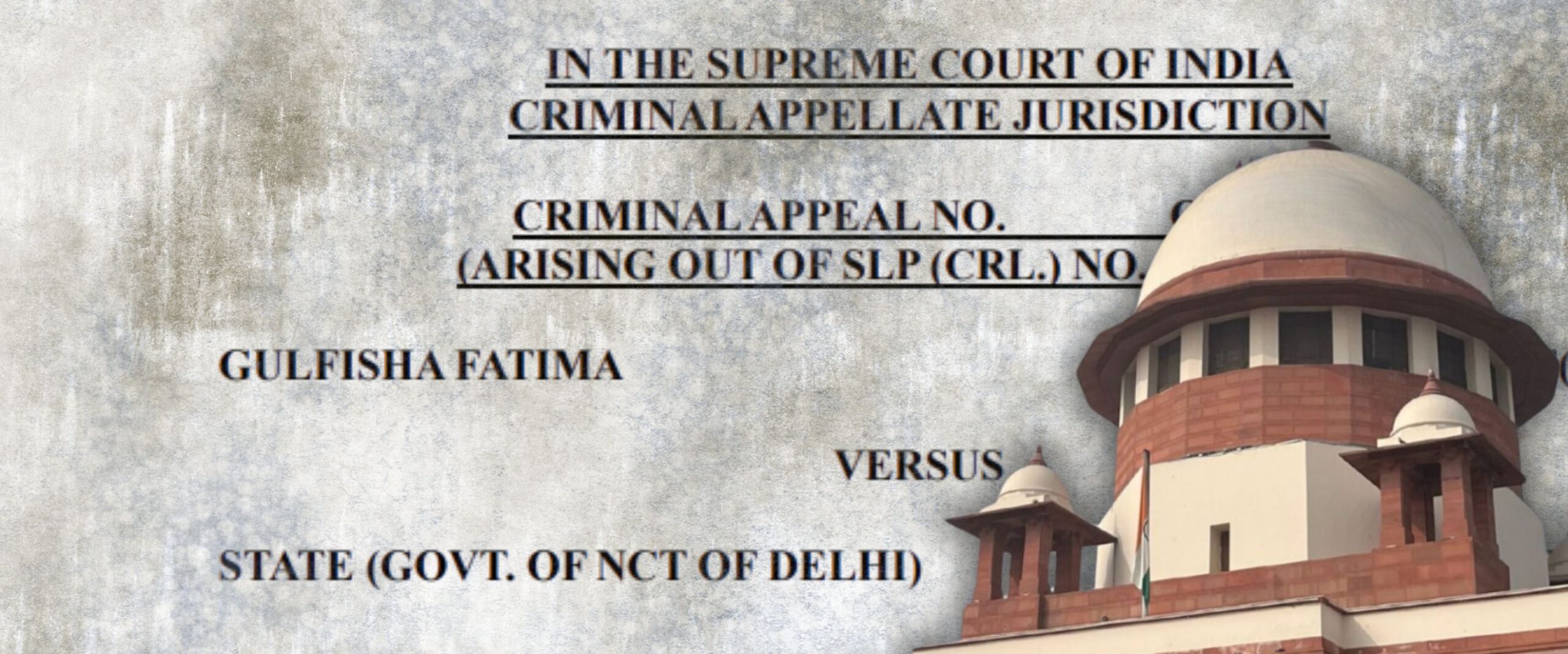
The Supreme Court’s denial of bail to Umar Khalid and Sharjeel Imam has elicited a range of emotions across editorials, social media and private conversations—anger, confusion, and even satisfaction. As debates over the moral stakes continue, we examine how the Court’s legal reasoning has been analysed in the media, especially in light of bail granted to five other accused.
The first time Khalid and his co-accused had approached the Supreme Court was in April 2023. It was the start of a cycle of listing without hearing. The matter was adjourned several times, for reasons ranging from unavailability of judges or counsel to “paucity of time” (see our tracker for the complete timeline). Questions were raised as to how the case came to be listed before a Bench led by Justice Bela Trivedi, feeding a difficult-to-prove but persistent narrative that the accused’s fate hinged less on law than on the perceived ideological leanings of the judges.
In February 2024, the accused withdrew their petition, with Khalid’s counsel Kapil Sibal suggesting that they would try their luck in the Trial Court. After both the Trial Court and the Delhi High Court rejected the application, Khalid returned to the Supreme Court in appeal in September 2025. At the time, an editorial in The Hindu noted that special laws like the Unlawful Activities and Prevention Act allowed pre-trial detention to act as a punishment. An op-ed in The Indian Express suggested that the long investigative process had been weaponised.
Some platforms undertook an ideological mapping of the new Bench of Justices Aravind Kumar and N.V. Anjaria. Digital publication Article 14 pointed out that Justice Kumar had authored Gurwinder Singh v State of Punjab (2024), a verdict that the Delhi High Court had relied on. In Gurwinder Singh, the Supreme Court held that the conventional principle of ‘bail is the rule, jail is the exception’ does not find place under the UAPA regime.
As arguments began in October and the judges put sharp questions to the Delhi Police, there were whispers that Khalid’s luck might change. It did not. The Bench fell back on Gurwinder Singh, warning against mechanical reliance on prolonged incarceration in special statute matters.
The commentariat has been almost unanimously critical of the flimsy logic of the decision. In the Deccan Herald, Suhit K. Sen notes that the Court has historically favoured the “reasons of state” in matters under draconian anti-terror legislation. In an article published by us at SCO, Advocate Sarthak Gupta points out the problems with the Bench’s reliance on Gurwinder Singh (two-judge Bench) and its overlooking of K.A. Najeeb (three-judge Bench). Gupta also notes how the UAPA standard of allegations being “prima facie true” often collapses into “prosecution material taken at face value” (which is the phrase approvingly used in the present Judgement).
On his blog, lawyer and scholar Gautam Bhatia posits that the Court was “neither careful nor specific” when it interpreted the definition of “terrorist act” under Section 15 of the UAPA. In The New Indian Express, advocate Kaleeswaram Raj, critiques what he calls “a selective use of precedent”, referring to the Bench’s bypassing of a line of cases following Najeeb (Thwaha Fasal, Athar Parwez, Sheikh Javed Iqbal) in favour of Gurwinder Singh and Dayamoy Mahato.
In connection with Khalid’s case, former CJI D.Y. Chandrachud had remarked in a post-retirement interview that judges have no forum to defend themselves. The reality inside the courtroom, he said, is “a little more nuanced” than the chatter outside. In this case, however, it is the media and the commentariat that have supplied the nuance. Their engagement with doctrine, precedent and consequence stands in contrast to a verdict thin in reasoning and narrow in its imagination of constitutionally guaranteed liberty.
This article was first featured in SCO’s Weekly newsletter. Sign up now!
Related articles
Analysis
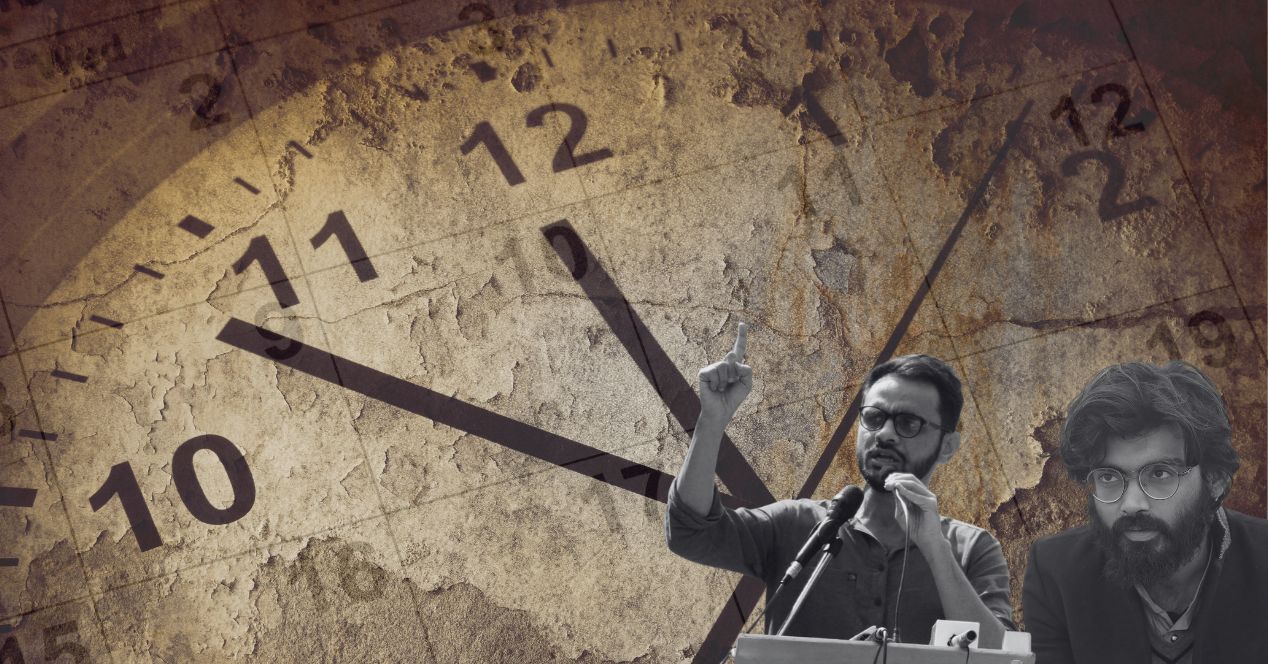
Umar Khalid bail case: Constitutional abdication, not judicial restraint
By denying bail to Khalid and Sharjeel Imam, the Supreme Court could have precipitated a doctrinal shift with implications for undertrials
Analysis
Article 21 remains a divided promise in the Supreme Court’s bail jurisprudence
The selective reading of liberty in UAPA and PMLA cases hinges on the accused’s identity. A ‘Khalid Test’ could offer a course correction
Court Data
The SC on bail under UAPA and PMLA: a dataset from 2024 and 2025
As the Supreme Court considers the bail plea of Umar Khalid, here’s a ready-reckoner of relevant verdicts from the last couple of years
Analysis
The right to life and personal liberty under Article 21: A timeline
50 years since the Emergency, SCO traces the Court’s gradual expansion of the right to life and personal liberty