





Sabarimala Review
Kantaru Rajeevaru v Indian Young Lawyers’ Association
A nine-judge Constitution Bench will decide the correctness of a 2018 judgement which held that barring the entry of women in the Sabarimala Temple was unconstitutional
Pending

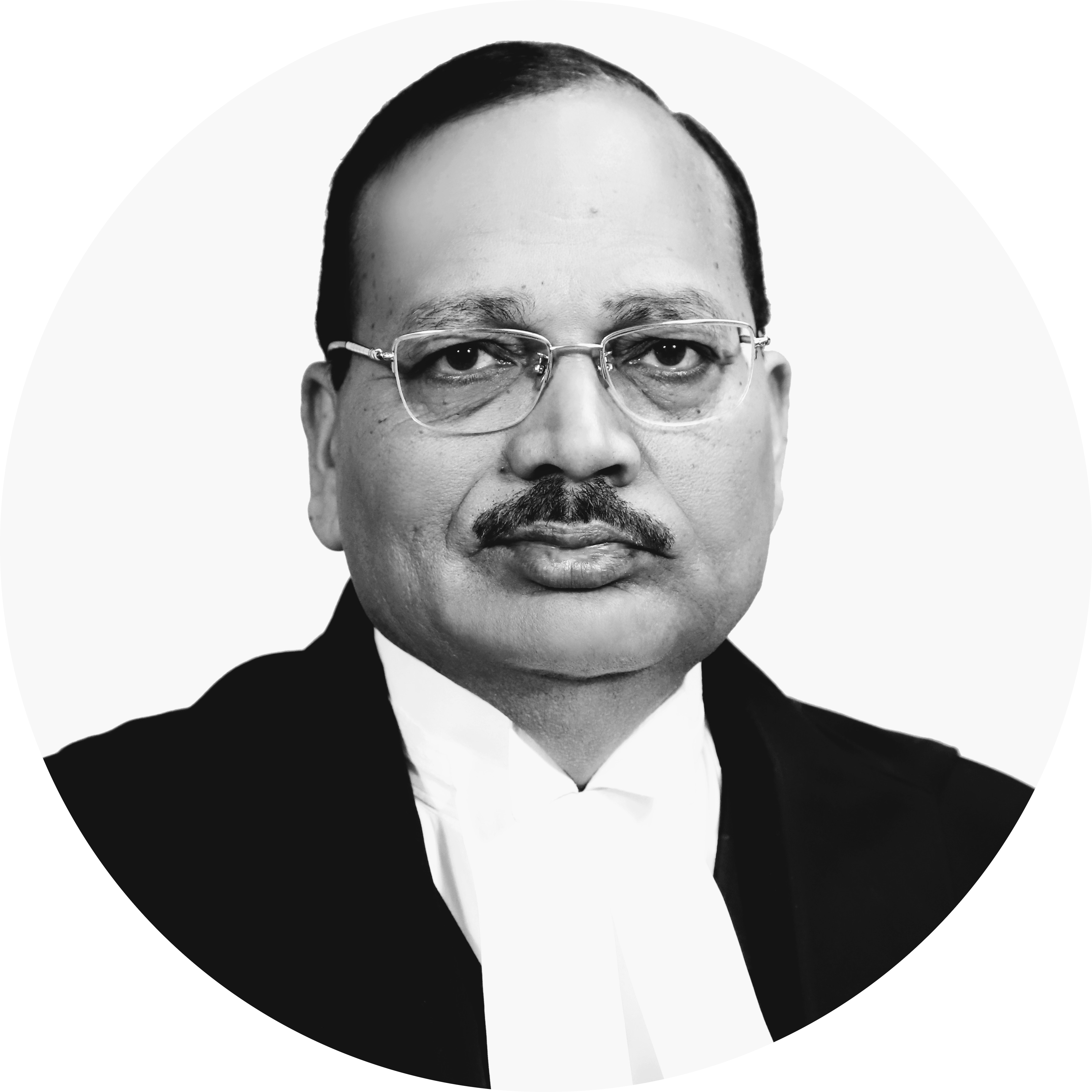
Surya Kant CJI


B.V. Nagarathna J

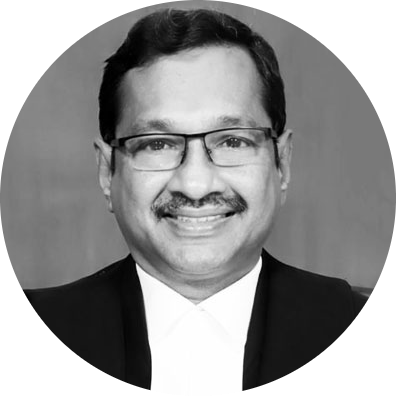
M.M. Sundresh J

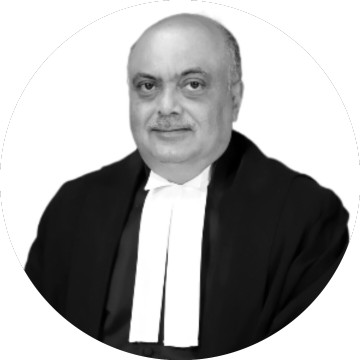
Ahsanuddin Amanullah J

Aravind Kumar J

A.G. Masih J

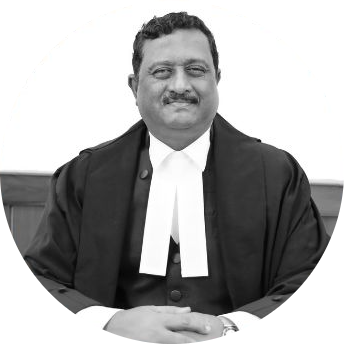
P.B. Varale J

R. Mahadevan J

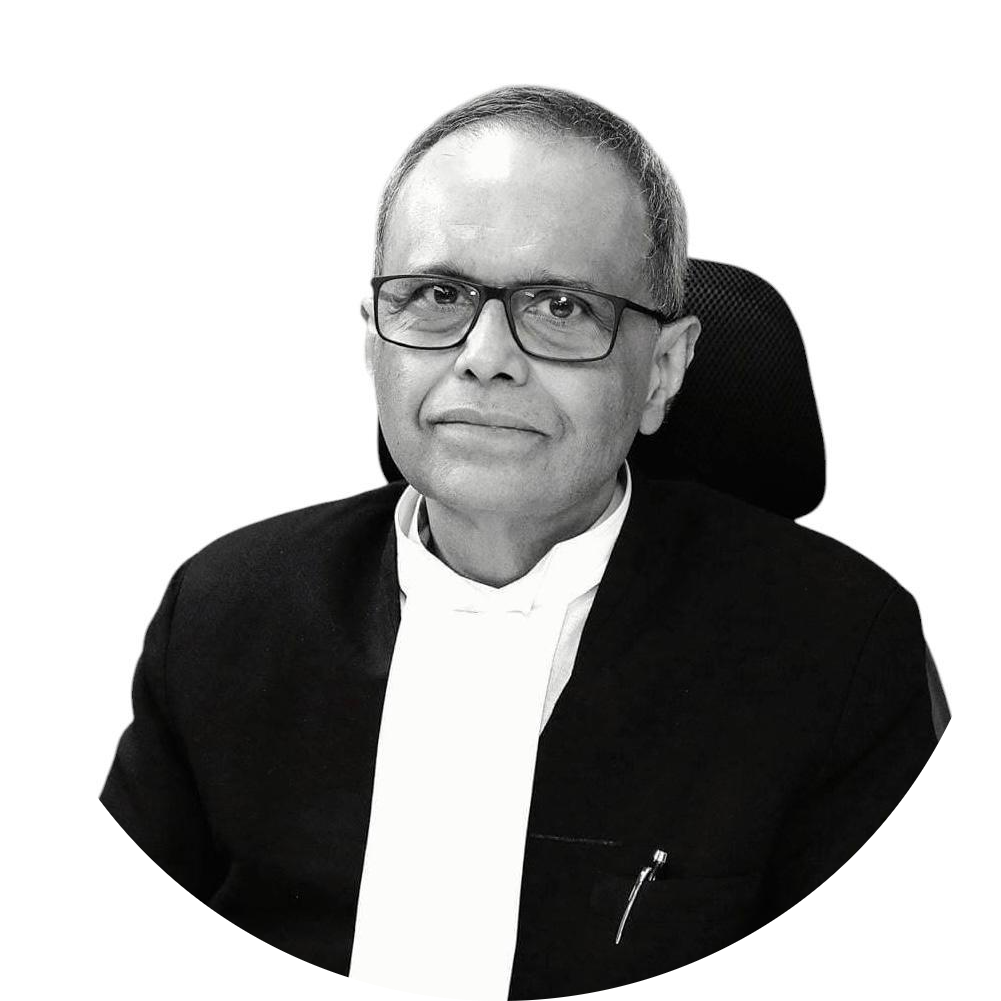
Joymalya Bagchi J
Parties
Petitioner: Kantaru Rajeevaru
Lawyers: Sr. Adv. K. Parasaran; Sr. Adv. V. Giri; Sr. Adv. A.M. Singhvi, Sr. Adv. Shekhar Naphade; Sr. Adv. Venkataramani; Sr. Adv. Mohan Parasaran; Sr. Adv. Gopal Sankarnaryanan; Sai Deepak
Respondent: Indian Young Lawyers Association
Lawyers: Sr. Adv. Jaideep Gupta, Sr. Adv. Rakesh Dwivedi
Intervenor: Bindu and Kanaka Durga
Lawyers: Sr. Adv. Indira Jaisingh
Amicu Curiae: Senior Advocate K. Parameshwar, Advocate Shivam Singh
Lawyers:
Case Details
Case Number: RP (C) 3358/2018
Next Hearing: April 7, 2026
Last Updated: June 4, 2026
Key Issues
[RESOLVED] Whether the Court has the power to refer a question in law to a larger bench in a review petition?
Whether a person not belonging to a religious denomination or religious group can question a practice of that religious denomination or religious group by filing a PIL?
What is the scope and extent of judicial review with regard to a religious practice as referred to in Article 25 of the Constitution of India?
What is the scope and extent of the word ‘morality’ under Articles 25 and 26 of the Constitution of India and whether it is meant to include Constitutional morality?
What is the scope and ambit of right to freedom of religion under Article 25 of the Constitution of India?
What is the inter-play between the rights of persons under Article 25 of the Constitution of India and rights of religious denomination under Article 26 of the Constitution of India?
Whether the rights of a religious denomination under Article 26 of the Constitution of India are subject to other provisions of Part III of the Constitution of India apart from public order, morality and health?
What is the meaning of expression “Sections of Hindus” occurring in Article 25 (2) (b) of the Constitution of India?
Case Description
On 28 September 2018, in Indian Young Lawyers Association v State of Kerala, a Constitution Bench of Chief Justice Dipak Misra, Justices R. F. Nariman, A. M. Khanwilkar, D. Y. Chandrachud and Indu Malhotra, in a 4:1 majority, held that the Sabarimala Temple’s exclusionary custom prohibiting the entry of women is unconstitutional. The custom barred women between the ages of 10 and 50 years old from entering the temple. The Judgment held that the said custom, and Rule 3(b) of the Kerala Hindu Places of Public Worship (Authorisation of Entry) Rules, 1965 — which allowed religious denominations to exclude women from public places of worship based on custom, violated the fundamental right to freedom of religion of female worshippers under Article 25 of the Constitution. The Bench held that the devotees of Lord Ayyappa were not a separate religious denomination and that the custom was not an essential religious practice (ERP).
More than 50 review petitions were subsequently filed by various individuals and organisations including Kantaru Rajeevaru, the Chief Priest of the Sabarimala Ayyappa Temple, the National Ayyappa Devotees (Women’s) Association, the Nair Service Society and the All Kerala Brahmin’s Association.
After CJI Misra retired, the review petition was heard on 13 November 2018 by a Bench of CJI Ranjan Gogoi, and Justices Khanwilkar, Nariman, Chandrachud and Malhotra. On 14 November 2019, the review bench by a narrow 3:2 majority decided to keep the review petitions pending and referred certain overarching constitutional questions to a larger bench. The review will be decided after the questions are clarified. The majority found that the Sabarimala judgement will have a bearing on other freedom of religion cases. Justices Nariman and Chandrachud dissented, holding that this speculation went beyond the narrow scope of a review petition. They dismissed challenges against the review.
On 13 January 2020, a nine-judge Bench led by CJI S.A. Bobde and Justices, R. Banumathi, Ashok Bhushan, Nageswara Rao, Mohan M. Shantanagoudar, S. Abdul Nazeer, R. Subhash Reddy, B.R. Gavai and Surya Kant began hearing the reference. Parties raised concerns that a review bench cannot refer questions of law to a larger bench.
On 10 February 2020, the nine-judge Bench upheld the referral order issued in the November 14 judgement. It held that the Court had the power to refer a point of law to a larger bench in a review petition, however, it did not publish any reasons for this finding at the time. On 11 May 2020, the Supreme Court published a detailed judgement substantiating the maintainability of the reference.
On 16 February 2026, a Bench of CJI Surya Kant with Justices Joymalya Bagchi and Vipul Pancholi listed the case for arguments on 7 April 2026.
Scheduled Review hearings
The Bench directed that parties supporting the review will argue for three days from 7 to 9 April 2026. The parties opposing the review will argue between 14 and 16 April 2026. Rejoinder submissions will be heard on 21 April 2026 followed by concluding submissions on 22 April from Senior Advocate K. Parameshwar and Advocate Shivam Singh, the Court appointed amicus curiae.
Tagged to the review are three other pending cases: Muslim women’s right to enter mosques, arising from a 2018 petition that relies substantially on the Sabarimala judgement, arguing that religious customs cannot be used as cover to deny rights of worship to women; the right of a Parsi woman to enter a Fire Temple after having married a non-Parsi, arising from a 2012 case where the Gujarat High Court held that a Parsi woman loses her religious identity after marrying a Hindu man; and a petition filed in 2017 that calls to ban the practice of female genital mutilation (FGM) among the Dawoodi Bohra community.