


Analysis
Law, history, and ideas of India
79 years into India’s independence from the British Raj, “Swadeshi jurisprudence” gains traction in courts and colleges
Independence Day is a moment to celebrate constitutional ideals and Indian independence from British rule in 1947. As persons who engage with the law, the 80th Independence Day comes at a time when questions have emerged on how the law should be interpreted and what the reliance on ancient texts means for legal education and social progress.
Last August, Delhi University updated its Bachelor of Law syllabus to include units on “Bharatiya jurisprudence”. The units feature the Dharmashastras, Arthashastras and vedic smritis as primary sources of Indian legal philosophy. While other law colleges in India are yet to incorporate these changes, the Central Sanskrit University, Jaipur is several steps ahead with an entire LL.B. (Hons.) programme on the subject.
At present it is unclear whether “bharatiya” differs from “swadeshi jurisprudence”—a term recently invoked by Chief Justice Surya Kant at Oxford Union and emphasised by his predecessor CJI B.R. Gavai while pronouncing the advisory opinion on Powers of the Governor and the President. Nevertheless, both of these terms address an agenda of decolonisation that was revived in public discourse with the enactment of the new criminal laws in 2024. The vocabulary has seeped into submissions too. Petitioners in the Sabarimala Reference critiqued the reliance on foreign thinkers and cited the Hindi text of the Constitution, invoking “sadachar” in reference to public morality while dismissing the “vague” concept of constitutional morality. Amicus curiae K. Parameswar criticised the Court’s use of “elements from abroad” and proposed a different set of ideas with “Indian roots”, namely, the suya mariyadai (self-respect) movement and M.K. Gandhi’s vision of Swaraj.
This critique is not new. In “Supreme Whispers”, Abhinav Chandrachud wrote about how several judges were criticised in the 1970s for citing foreign jurisprudence. Yet, it would be untrue to say that Indian sources have not been cited in judicial discourse. Historian V. Geetha told the Supreme Court Observer that “citations from ancient texts have always been made by lawyers and judges.” Referring to the age of consent reforms, the Hindu Code bill and the Mahad Satyagraha, she describes how those in opposition appealed to ancient texts and custom while those seeking to address historical injustice had to locate the source of their change elsewhere.
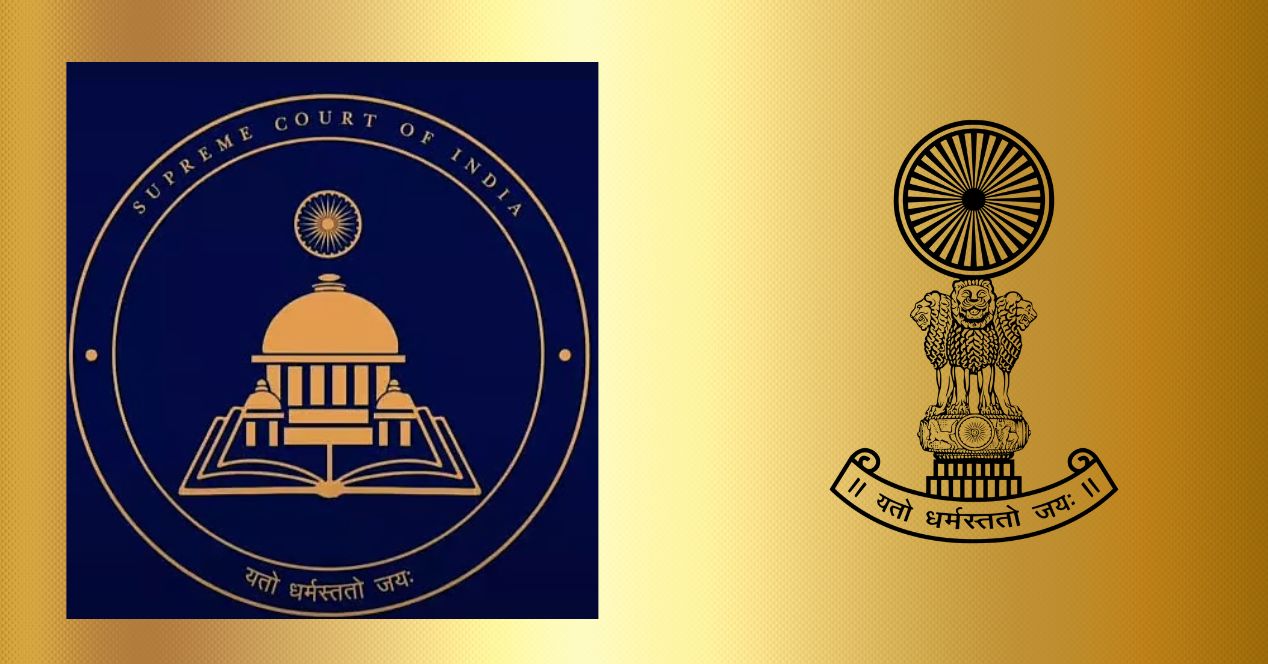
In her analysis of the architecture and symbols of the Supreme Court, Rahela Khorakiwala notes that its mural of Lady Justice is described by some as based on vedic sutras. The Apex body quotes the Mahabharata in its motto and Ashoka’s Chakra in its symbol. If law is to be understood in light of its socio-political context, perhaps we ought to study these dominant influences more deeply to understand how the Court aims to reconcile differences between these traditions and their respective conceptions of dharma. But why stop with these, what of the diverse multitude of traditions that make us who we are today including, for instance, Narayana Guru’s teachings, Jyotiba Phule’s work or conceptualisations of sovereignty among adivasi communities of Jharkhand?
Inevitably, we arrive at a challenge that historians have wrestled with for decades—the sheer diversity of customs, communities and philosophical traditions which frustrate narrow definitions and single narratives. Geetha cautions that the exercise of defining the corpus of bharatiya, swadeshi or Indian jurisprudence is ultimately political. Rather than focusing on which source to include or exclude, she argues, we ought to focus on the methodology and the ethics that inform our study.
This brings us to a central question: why do we study the evolution of legal theory? For Dr. Sophy K.J. from National Law University, Delhi, this evolution is a fundamental thesis of law. Historical sources, whether vedic or anti-caste, hegemonic or progressive, must be studied as evidence of their time and nothing more: “Justice and courts themselves are modern concepts.” She says that while the question of origin and source is important, the starting point must be the Constitution. In other words, the legitimacy of law does not derive from its historicity, but rather from its ability to meet the needs of the present. While some solutions may be found in the past, they will always require redefinition as in the case of absolute liability and the doctrine of trusteeship.
In 2021 former CJI N.V. Ramana spoke of a need to “Indianise” the legal system, explaining his intent to make it more approachable for the common man. In the same year, Justice S. Abdul Nazeer spoke of decolonisation, adding that the legal system should embrace the great legal traditions of ancient India. In 2025 CJI Surya Kant flagged the development of swadeshi jurisprudence as a priority without putting forth his understanding of the purpose of this exercise or its intended consequences. As the agenda permeates to spaces of legal education and academia, perhaps the question we are left with is not whether we are taught the “Bharatiya jurisprudence” or not, but how we are taught it and why.
This article was first featured in SCO’s Weekly newsletter. Sign up now!
Related articles
75 Years of SC Articles
Justice In Circles
How architecture, history, and tradition inform the duality of Indian courts
Analysis
Symbolism and statements
Reversing two administrative moves of the Chandrachud term, CJI Gavai recently remarked that the Court is returning to its ‘original avatar'
Analysis
What is the role of ‘constitutional morality’ in legal interpretation?
In this excerpt from a longer essay, Senior Advocate Gopal Subramanium writes that Indian courts developed this tool to uphold rights
75 Years of SC Articles
Celebrating 75 years of the Supreme Court
In the 75th year of the Supreme Court, we are introducing a special series showcasing the institution through a cultural and critical lens