


Court Data
Supreme Court to be led by 4 CJIs in 2027
The only time this happened was in 2002, marking this as the first time in 25 years
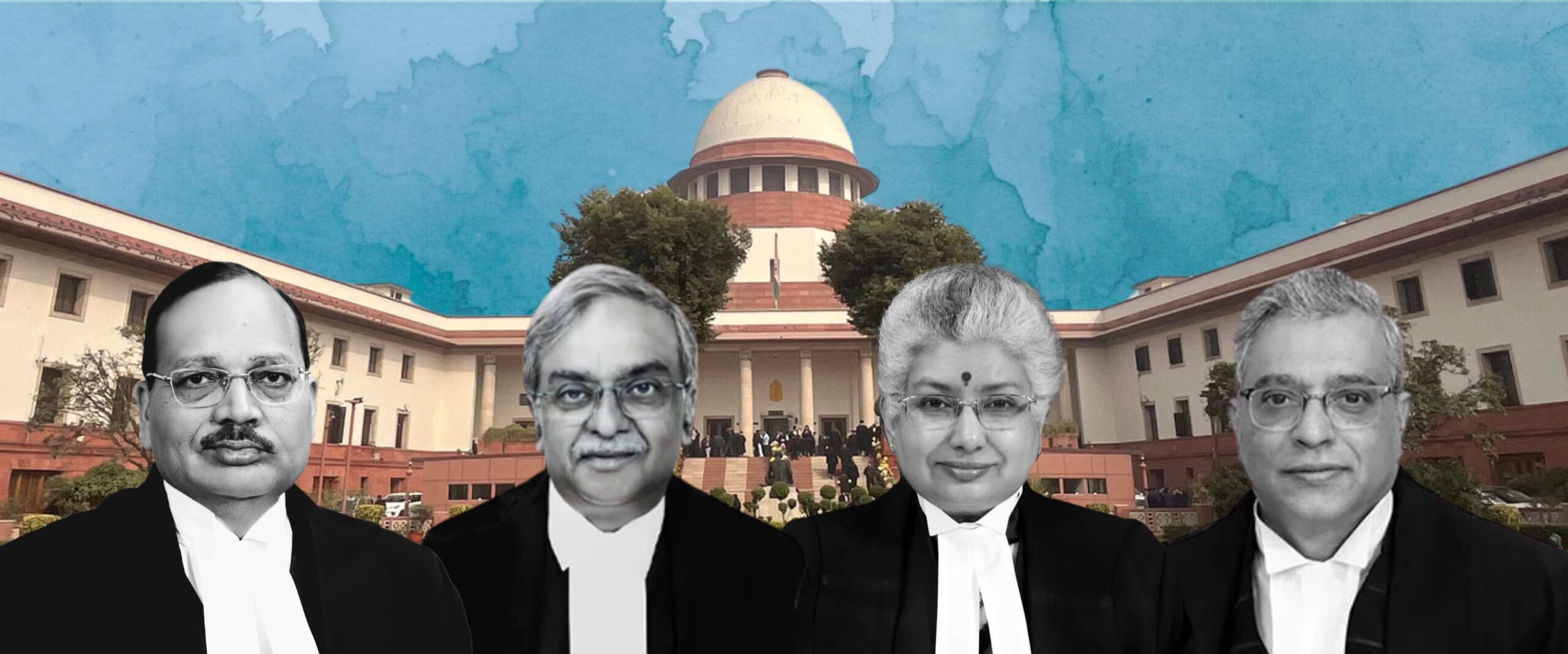
On 9 February 2027, Chief Justice Surya Kant will retire as a Judge of the Supreme Court after having served a tenure of 6 years and 7 months at the top court. Of his tenure, he would have served as the Chief Justice for 1 year and 2 months. Subsequent to his retirement, Justices Vikram Nath, B.V. Nagarathna and P.S. Narasimha will take over as CJIs in succession.
In 2027, for the first time in 25 years, the Supreme Court will have four different judges discharging their roles as the CJI.
The only other time that the Supreme Court witnessed four Chief Justices was in 2002:
The chart below plots the number of CJIs that have taken up the administrative reigns of the Supreme Court since 1950.
The change in leadership
Scholars have written about the office of the CJI as a “revolving door”. The age of retirement—65 years—determines the tenure of the CJI, appointed by the convention of seniority.
By the time a judge becomes the CJI, they have only a few years or months left on the Bench. 2027 demonstrates this phenomenon. With the retirement of CJI Surya Kant, Justice Nath will be the CJI for a period of seven months until September 2027. Justice Nagarathna will take over with only 36 days before her retirement. Justice Narasimha will take over in October 2027 serving till May 2028.
Each CJI, irrespective of their tenure length, takes administrative decisions which may undo changes made by the previous CJI. This, in turn, affects the stable functioning of the Court. This was demonstrated in 2025, when the Court had three Chief Justices. For instance, a focused approach on tackling pendency by CJI Sanjiv Khanna did not necessarily continue after his retirement.
This phenomenon has been acknowledged by former CJI P. Sathasivam, who served for nine months between July 2013 and April 2014. He suggested that the post of the CJI should have fixed tenures. “There were many things that I wanted to do but couldn’t do due to short tenure”, he reportedly stated. An increase in tenure would require a constitutional amendment to Article 124 of the Constitution.
Importantly, introducing a fixed term at any stage will mean that judges in line to be the Chief Justice would lose their opportunity. A fixed term would mean that the CJI will not be bound by a retirement age, putting them on a different footing compared to other sitting judges,contrary to the belief that the CJI is “first among equals”.
Recently, the 22nd Amendment of the Constitution of Sri Lanka introduced a limit on the tenure of the Chief Justice. With the Amendment, the Chief Justice of Sri Lanka would now serve either a tenure of six years or until the age of 67, whichever is earlier. The move has largely been criticised for retaining the tenure of the incumbent Chief Justice for two more years.
Interestingly, a similar demand to increase the retirement age of Supreme Court judges is made in India. Former CJI N.V. Ramana remarked that 65 was “too early an age to retire.” Similarly, Justice L Nageswara Rao had commented that Supreme Court justices should get at least a 7-8 year long tenure, stating that judges face retirement by the time they “understand how the [Supreme] Court functions”.
If a fixed term does get introduced, it may be introduced after the tenures of the next Chief Justices conclude. As of now, the convention of seniority has shown that Justice Vipul Pancholi will be the CJI for 1.5 years, from October 2031 to May 2033. No new judges appointed to the Supreme Court are in line to be the CJI after him. Introducing a fixed term with a retirement age could work if it is implemented after 2033, without disturbing the upcoming retirements. It would further help insulate the institution from the criticism that the amendment was made to increase the tenure of an incumbent Chief Justice.
Related articles
75 Years of SC Articles
Master of the Roster: Securing Process Legitimacy of the Supreme Court
As the SC turns 75, we analyse rostering under Chandrachud and Lalit courts and make a case for a publicly defensible allocation rationale
Analysis
Master of the roster, author of uncertainty
Why we need a timeline for larger bench references
Analysis
The year of three Chiefs
From rising pendency to fewer Constitution Benches, from cash-in-an-outhouse to a Collegium dissent, our reporter reviews the year in the SC
Analysis
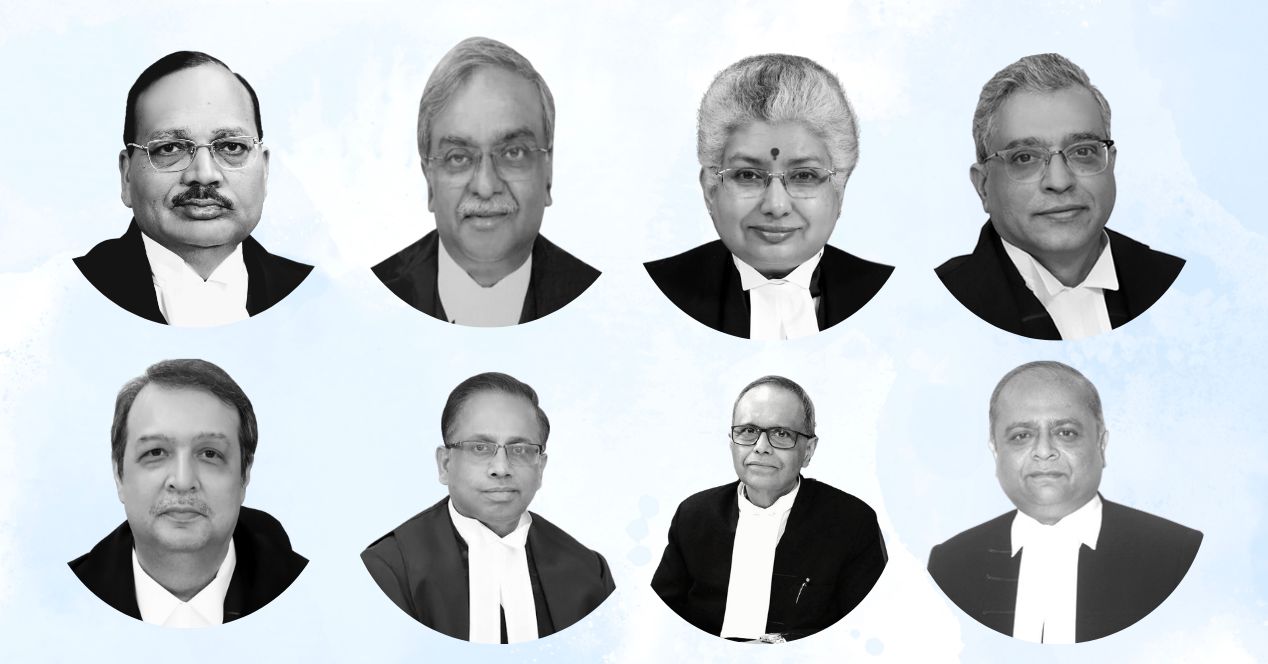
The next eight Chief Justices of India: 2025 to 2033
If the seniority principle is followed, these eight Judges will lead the Supreme Court of India as Chief Justice till 2033